The beauty of the Italian Apennines

11.04.2017 Pietra di Bismantova from campsite (2).JPG
Pietra di Bismantova, Reggio Emilia in the evening sun

I love being in Italy in our campervan; I love the food, the coffee, the scenery, the wine and the vibrancy.  Every time we go we find new places to enjoy that seem more beautiful than the last time.  On this trip we were travelling across the country to Ancona where we were catching a ferry to Greece.  After a night on the lovely Ligurian coast, we headed inland to cross the Apennines on the superb SS63.  We stopped to admire the attractive fortified village of Castle Verrucolo and enjoyed the fantastic mountains views from the road.  Camping Le Fonti was the perfect place for a couple of nights; with a friendly welcome, fresh bread ordered, a sketch map of local walks and a pitch with a view of the distinctive Pietra de Bismantova (above), we were happy.  The next day we walked up Monti Ventasso, a 1,727 metre hill behind the campsite.  We walked through beech woods dotted with wood anemone, primroses and wild crocuses, a cuckoo calling in the distance.  Taking the path to Santa Marie Maddalena we crossed an exposed and loose scree slope to the grassy meadow where a refuge and chapel sit under the rocky crags of Monti Ventasso.  The steep narrow and rocky path up the east ridge was airy in places, eventually bringing us out on a wide and grassy ridge to the summit, passing a bizarre wooden hinged figure on the way.  The summit gave us great views of the valley, Pietra di Bismantova and Lago Calamone below.  We descended to the lake, a picturesque and sunny spot where a group of young men were noisily playing football on a slope, the ball regularly fell in to the lake and this seemed part of the game.  We climbed upwards to join our previous path and returned the same way having enjoyed a great day’s walking.

The lovely driving continued until we reached built up areas again at Scandiano.  We found the Camper Club Mutina in Modena, a great and well-run sosta that is close to the city but has views over fields and vineyards and we watched hares and a kestrel from our pitch.  We were given a map which included a cycle route to Modena, about 30 minutes of flat cycling and perfect for seeing the sights of Modena.  Modena is clearly a cycling town, everyone from eight to eighty was out on their bikes and we followed a signed route, the MO1, in to the centre that was always off road.  We parked near the Duomo off the cobbled Piazza Grande in the city centre; an impressive white marble building with intricate carvings.  We ambled around, taking in the sights and I loved the Piazza Roma with its fountains and large shallow pools that reflected the surrounding buildings.  Following the narrow streets we spotted a queue of people outside a shop; further investigation revealed it was for Emilia Cremeria ice-cream, so we had to join in.  After queuing we came away with hand-made cornets of pistachio ice-cream; each cornet is filled with molten chocolate first with the creamy-soft ice-cream on top.  When you have enjoyed the fantastic ice-cream you bite through the fresh biscuit wafer and still have the soft chocolate to finish.  It was delicious and I want all ice-cream to be like this from now on.

We spent our last few nights in Italy at Camping Mar Y Sierra near  to the hilltop town of Mondolfo.  Away from the built up Italian coast this was a glorious spot.  We walked along the Valle dei Tufi route that took us through beautiful countryside and in to the pretty town of Mondolfo and we cycled to the stunning walled town of Corinaldo in the sunshine.  The hot weather bought a tremendous thunder storm one night, with hail bouncing off the roof of the ‘van so loud that we couldn’t hold a conversation and lightning brilliant in the sky.  Our next stop Greece …

13.04.2017 Modena city (8).JPG
The beautiful city of Modena


Back on the road through France

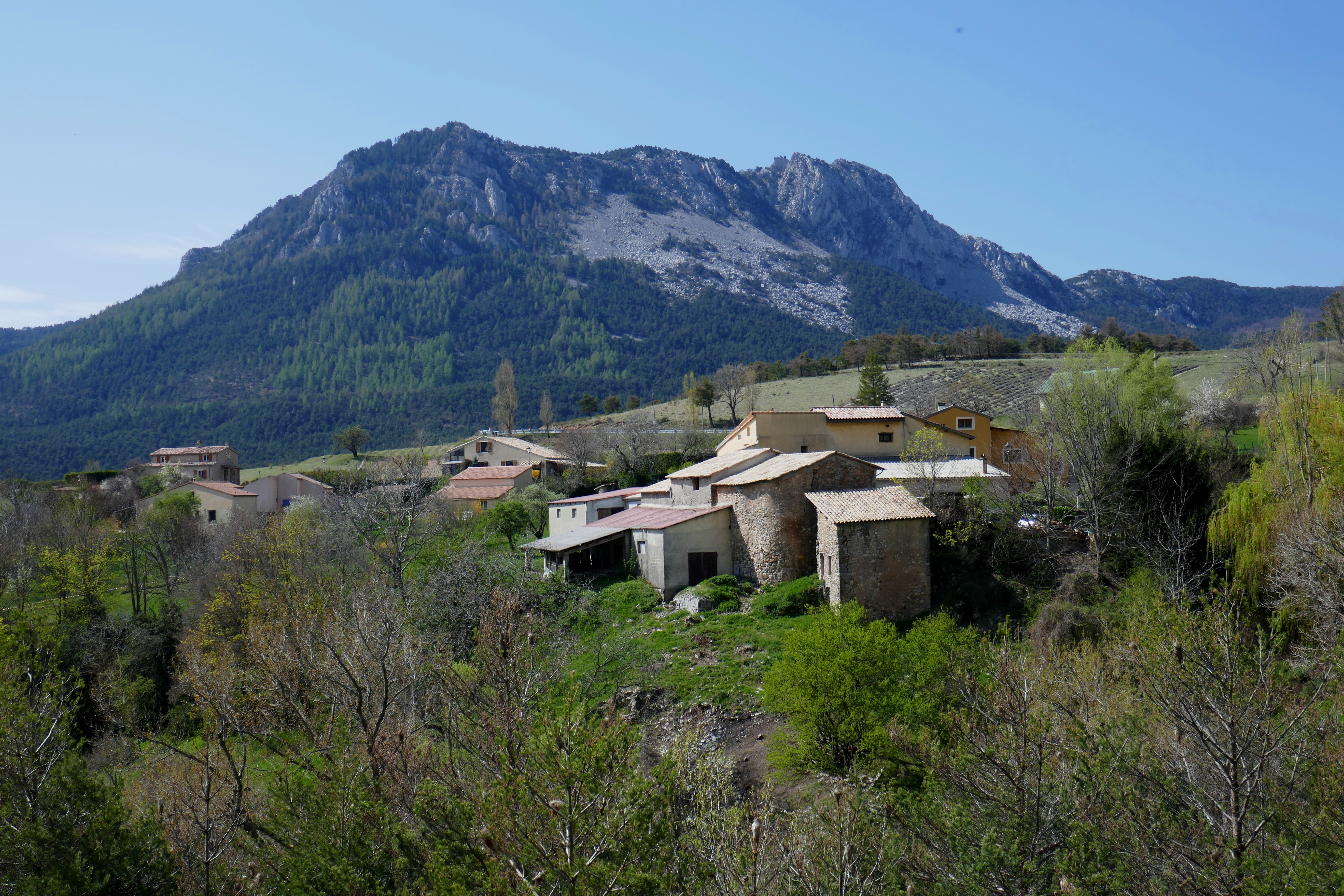
09.04.2016 Verdon region of Provence (1)

The beautiful landscape of Provence in France

Newly retired and all the time in the world we were back on the road in our blue campervan.  We set off south in April sunshine hopeful we would find beautiful and interesting places and have some fun.  Just being in the ‘van is relaxing and we were soon in a meandering frame of mind, stopping when we found somewhere lovely, making coffee among gorgeous scenery and taking strolls to interesting places.  Our first night was at the popular aire at Pont au Mousson, our second in the lovely Bourgogne wine producing town of Beaune, stopping on the way to stroll around Langres, on its stunning hilltop position.   We passed through pretty honey-coloured villages where men chatted outside the Marie, drove by large fields hunted by buzzards and under trees dripping with mistletoe.

Leaving the vineyards of Beaune we got mixed up with the circus vehicles in the next town, around us were vans and cars blowing their horns to announce their arrival.  We used the aire at Bourget-du-Lac and had a sunny afternoon walk to the lakeside, the ruined Chateau St Thomas II and the bird hide overlooking lovely pools busy with cormorants, red-crested pochard and one great egret and we watched marsh harriers flying low as they hunted.  We also walked in to Les Bourget-du-Lac and found the priory with its stately garden.

The weather was being so kind to us and after resisting the urge to stop in the Ecrins we treated ourselves to a couple of nights in Digne les Bains to give us time to stretch our legs after days of mostly driving.  We were now among the rocky Mediterranean landscape rich with herbs.  Our early evening stroll from the campsite took us to the large orderly cemetery of the Cathedral de Notre Dame du Bourg; we strolled around the fascinating graves enjoying the glimpses in to people’s lives.  Later as we ate sitting outside the snow covered mountains at the end of the valley were pink from the setting sun.

The campsite in Digne les Bains was perfectly placed for the lovely circular three chapels walk.  The path with signposts followed a lightly-shaded path through small oak trees and broom, the path edges blooming with cowslips, thyme and marjoram.  The route is only around five kilometers but follows a steep rocky path to give great views over the town.  Chapel number one, St Vincent, is a large church-like structure above the town.  Continuing uphill we found chapel number two, the Chapelle de la Croix, a tiny chapel perched on the highest point at 870 metres.  We ate our lunch enjoying the panoramic views and the peace, just the butterflies busily flitting around the flowers and small lizards taking in the sun.  We followed the ridge and then took the path downhill, meeting a group of mountain bikers struggling up the craggy path.  Chapel number three, Notre Dame, is in the trees just above Digne.  This small ruined church has a shrine underneath it in a cave.  We found cooling ice-creams in Digne before walking back to the ‘van.

From Digne les Bains we drove through the stunning scenery of Castellane and Grasse.  The road climbed over cols and took us through woodland, the landscape becoming more arid and more dramatic.  We stopped to take in the staggering vistas on a mountain road; I was awestruck by the landscape of white layered limestone rocks dotted with attractive Provencal farmhouses.  Our final night in France was in Cagnes sur Mer before we headed in to Italy to catch our ferry to Greece.

05.04.2017 Beaune (4)
The pretty French town of Beaune

It’s good to talk but it’s all Greek to me

2011 August van pictures 011
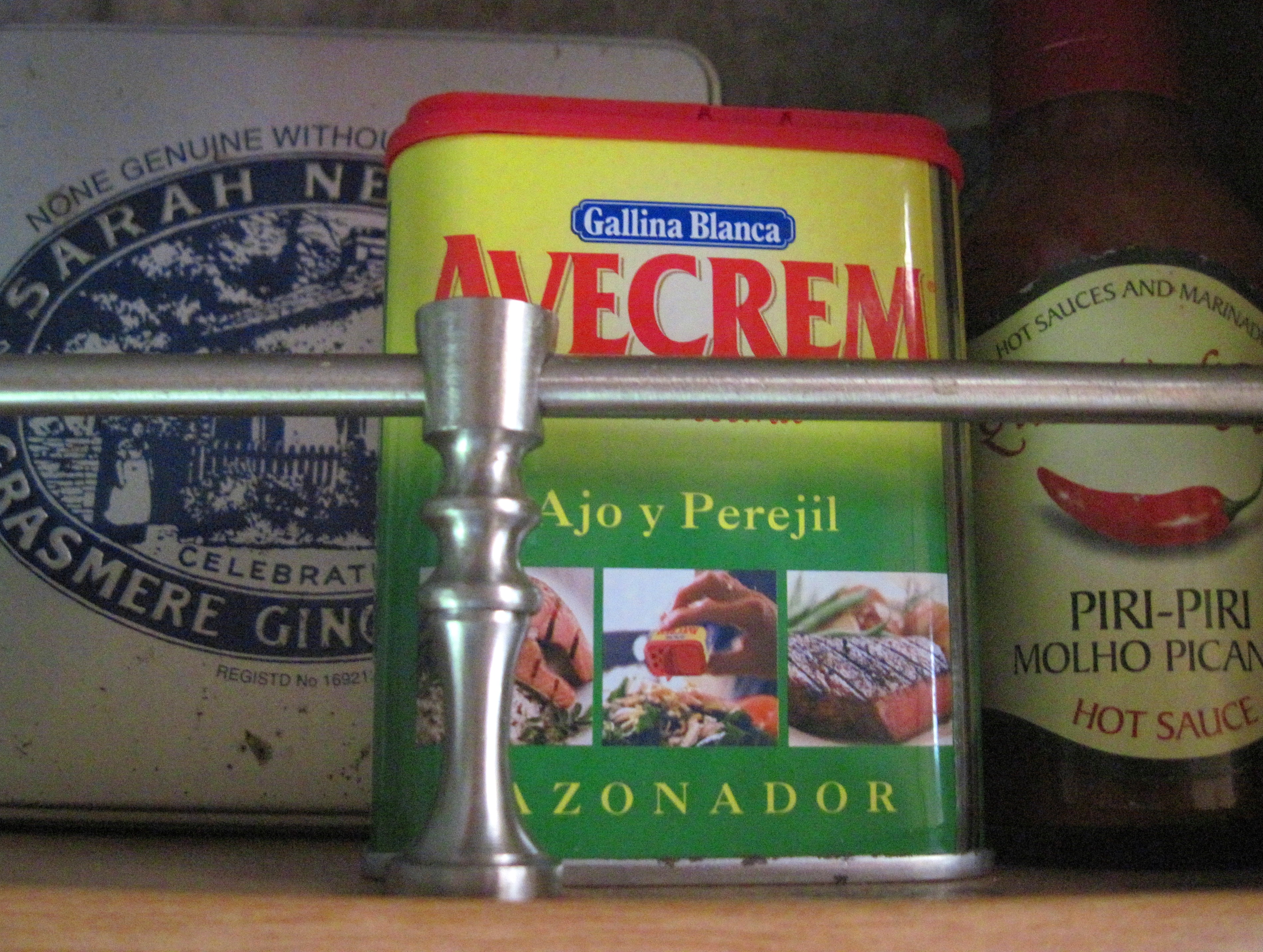
Portuguese packaging in the campervan

I enjoy learning languages and being able to talk to people when we travel to different countries.  The variety of the languages and cultures is one of the reasons we love travelling around Europe but it is also a challenge.  We are currently planning trips to Greece, Italy and perhaps Croatia and Spain and Portugal.  This means many different languages to get to grips with.  The Duolingo app is working well for brushing up my rusty Italian and Spanish [it is a few years since we have been there] and I have used this in the past to refresh my French and German.  The app reminds me every day so I keep the habit and I can do just five minutes if it is a busy day or longer when I have the time.  But without the Greek alphabet on my phone this app is no use for Greek and so I’m trying other options … but the Greek is hard, not just an unfamiliar language but also a different alphabet.  We have found some helpful YouTube  videos, I have been using some free apps [WordPower is the best I have found but Bravolol is useful too] and I have created our own flash cards which are the best way for me to learn.  Yet it is fair to say that the chances of getting beyond the pleasantries are small.

I enjoy being in countries where I can have more of a conversation with someone who doesn’t speak English and this is why travelling to France and Germany and Austria are so relaxing and fun.  I have fond memories of having a long conversation with an elderly woman in Wernigerode in Germany about her display of cross-stitch without every knowing the German for cross-stitch [apparently it is easy and is Kreuzstich] but I could talk about how lovely the pictures were, ask how long they took to complete and tell her how much I admired her skills.  In France I was able to deal with the group of people who came flocking to help when the chain on my bike broke dramatically as I cycled up a hill in their village.  I have even argued with a rude campsite manager in French, although I learnt than when irked my brain muddles up my entire knowledge of other languages and I spat out German and Italian words along with the French ones to the manner-less manager.  I never got to grips with much Polish when we visited this country but found German useful which did confuse Polish people on campsites about our origins; we had a campervan from the UK, I was speaking German but I had a Polish name.


Taking a break from culture & enjoying #vanlife chores

I am sure this makes me seem a little bit weird but I have decided to be honest here … although I love exploring new places, learning about new cultures and finding out the history of an area, I also love the days when we stay on a campsite and do the chores; the laundry, clean the ‘van and generally chill out. There is something smuggly satisfying about a line full of laundry drying in the sun, particularly when you have washed it all by hand. I also find that on a long trip away in the camper, when we are travelling for a few months, I need a day every now and then when my brain gets a break from having to absorb new ideas and sights and I can just concentrate on simple things like cleaning, reading and writing.

When we are away for more than a week we need to wash clothes, bedding and towels.  Sometimes we pay to use the campsite washing machine but often we will wash by hand.  All our clothes are ‘technical’ which means they dry in an hour or so.  Our duvet covers and sheets are thin cotton that don’t take too long to dry and we use hamman cotton towels and travel towels rather than heavy towelling.  This all means that laundry is stress-free.  We often wash underwear and t-shirts as we go as they dry so quickly.

So yes it might be just a little weird to enjoy these days but they give me space to process all the new things we have seen on a trip.  One day is enough though.  After a chilled out day I am ready to hit the road and find new places once again.

Happy in Arnside whatever the weather

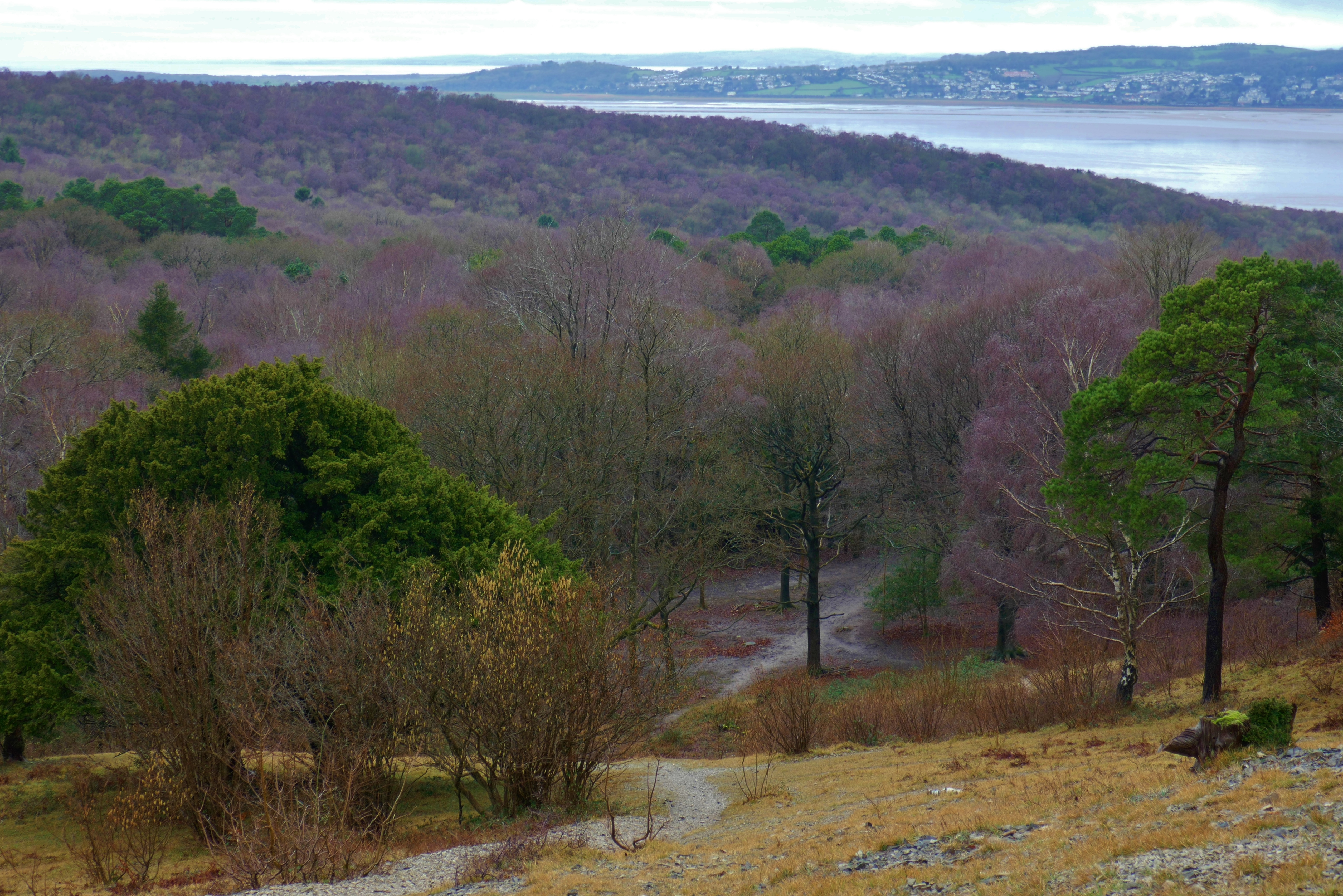
2017 March Silverdale (6).JPG
Looking towards Grange-over-Sands from Arnside Knott

Very soon we won’t be constrained by the weekend for our camping trips, we will be able to take off as soon as the sun peeps through and come home when it is damp and cold.  And yet, we do appreciate the variety of weather and seasons we get in the UK and perhaps we will still purposefully take some rainy trips out in the campervan.  We are just back from a few days in Silverdale and Arnside, one of England’s most beautiful areas whatever the weather.  The Area of Outstanding Natural Beauty has everything for a perfect holiday; atmospheric woodland, quiet bays, good tea shops, lots of wildlife and good campsites.  We climbed up Arnside Knott, which is criss-crossed with footpaths and looked down on the river Kent and a moody and magnificent Morecambe Bay from the top.  After a cafe stop in Arnside we explored the chasm of Middlebarrow Quarry, a huge disused quarry, and walked through the lovely Eaves Wood back to the campsite.

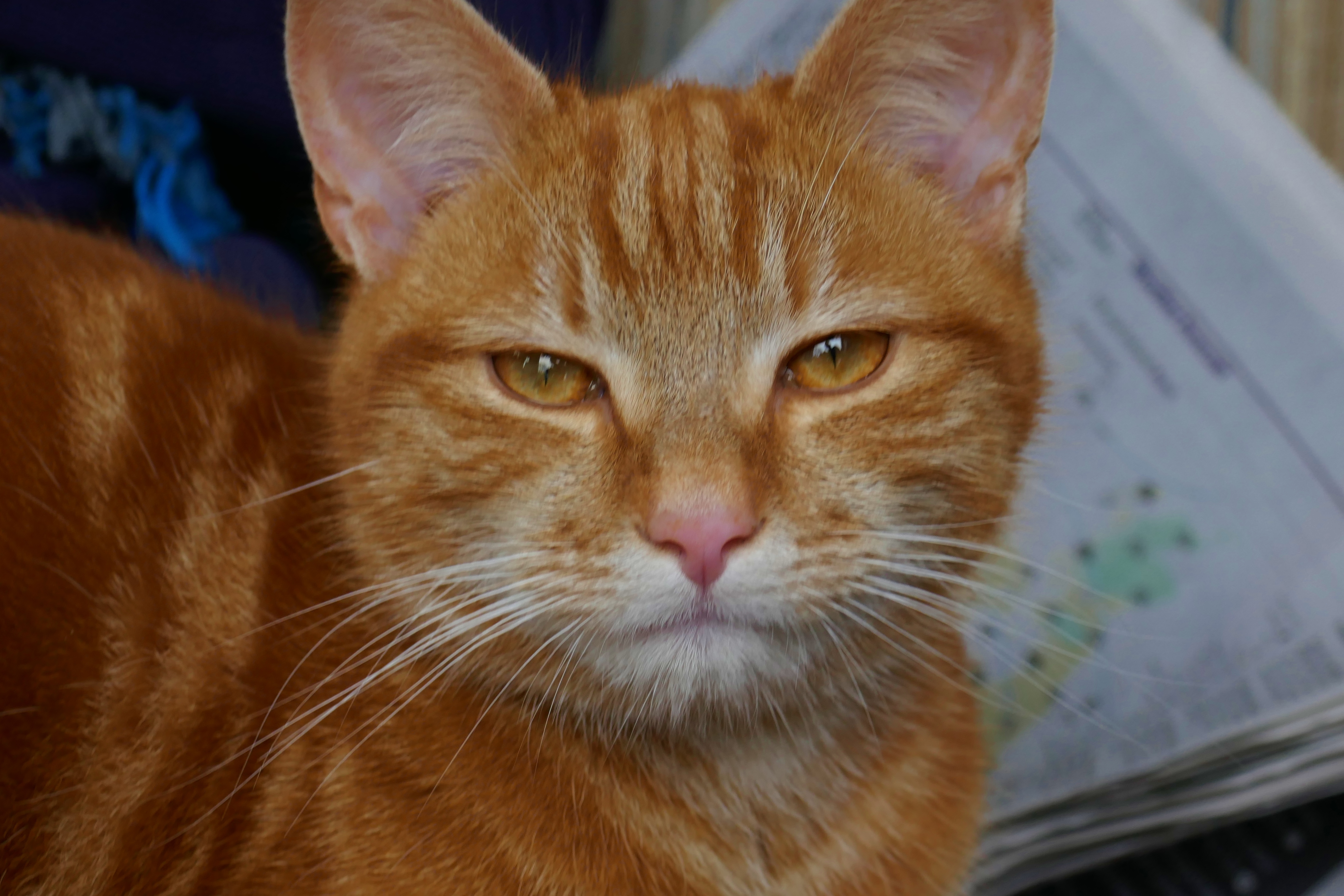
Returning to the ‘van we put our feet up with a brew and read the paper, leaving the big sliding door open as it had stopped raining and the weather was fairly mild.  We were joined by this gorgeous ginger tom with kitten soft fur and deep amber eyes.  He came in cautiously at first but after exploring all the corners of the’van curled up on my lap and purred loudly.  In the ‘van with a brew, the paper and a purring cat – I was in heaven!

2017 March Silverdale (25)
A furry visitor joined us in the ‘van


The variety and extent of our footpaths

2016 August Great Langdale weekend (22)

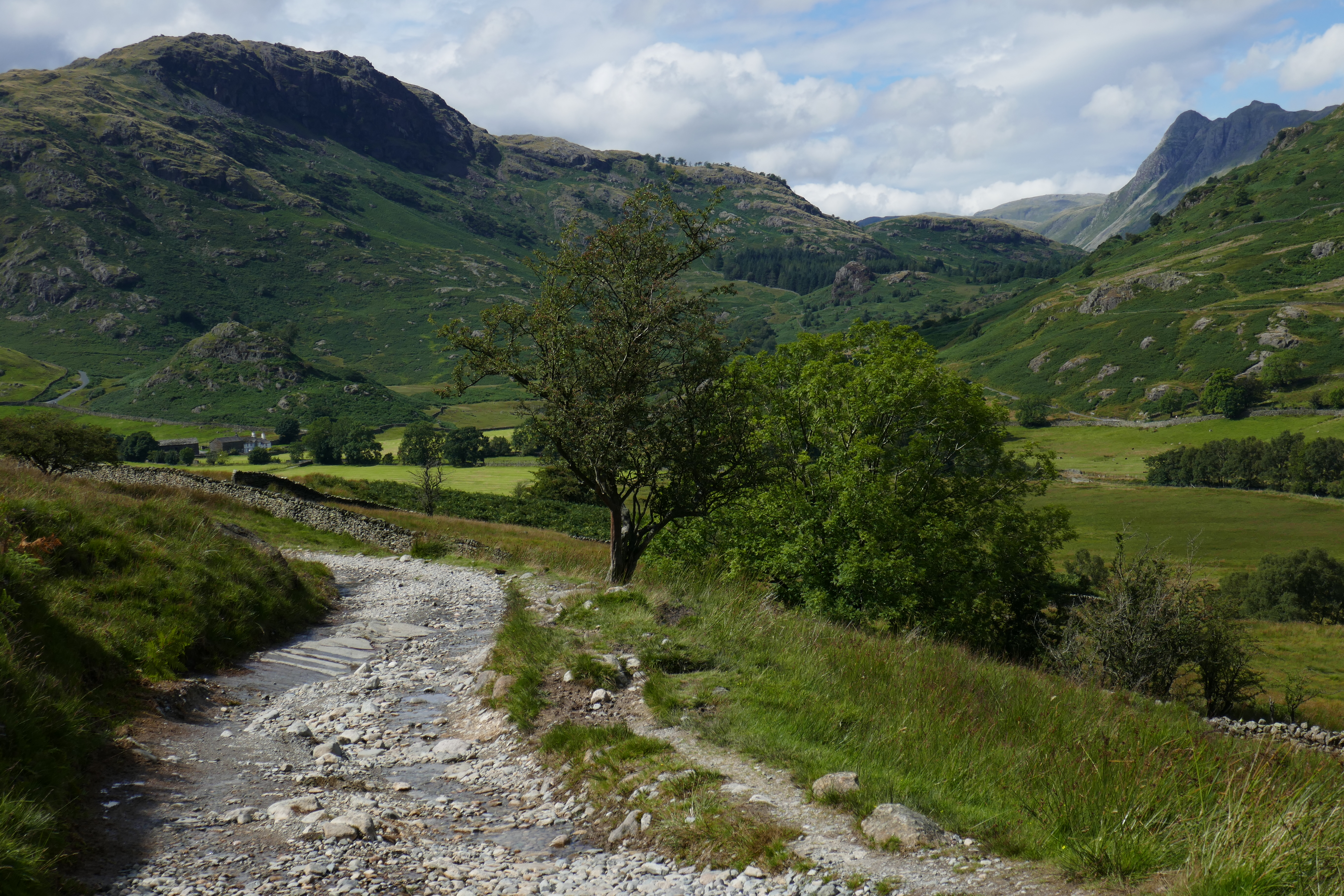
In England and Wales we are lucky enough to have around 140,000 miles of footpath or rights of way to explore.  This is more than the 111,000 miles [180,000 kms] in France [a bigger country].  These footpath, bridal ways and tracks may have been used by Neolithic ancestors, such as the Ridgeway or might be a medieval corpse route or coffin route, linking outlying villages with the burial ground, like the beautiful route from Grasmere in the Lake District.  As well as shorter routes between settlements there are numerous long distance paths; even urban Salford has one.

This network of paths is something we easily take for granted.  We accept that from anywhere in England and Wales you can walk out of your front door and very soon be on a footpath, devoid of cars.  We can browse the relevant excellent Ordnance Survey map and put together a walk of the length and difficulty that suits us that particular day.  We moan when a landowner tries to block a path with some barbed wire or does not maintain the gate but these things can usually be overcome.  It seems in other countries this network of rights of way does not exist.  In the USA there are many excellent trails and paths but these are in specific areas such as national parks that often have to be driven to.  Here in the UK land ownership may come with the obligation to maintain a right of way, a wonderful example of the privilege being required to work for the public good.  Since the 2000 Countryside and Rights of Way Act we also now have open access land, this is uncultivated land where everyone has the right to roam at will, that is away from footpaths.  This land is generally mountains or moorland and may also be privately owned.

Of course, while not all landowners and farmers take care of their footpaths to ensure good access, not all walkers are well behaved either and both sides clash in conflicts from time to time.  Through spring, as lambs begin to appear in our fields I am always horrified to read the usual batch of stories of dog owners who do not maintain control of their dogs within a flock of sheep appear.  The National Sheep Association gives clear advice for dog owners that should be common sense.  The incident last year when 116 sheep died due to being chased by dogs was unusual for the scale but losing even one sheep can be devastating for a farmer.

Walking is great exercise, affordable and good for our mental health.  Taking a walk gives me a chance to think and it is when my brain is most creative.  There are plenty of websites and blogs giving details of the benefits of walking and ideas for routes.  We are lucky to have this network of footpaths to be able to get out and enjoy traffic-free routes and we should fight to keep them when they are under threat.


Losing face over tyre valves

P1080760
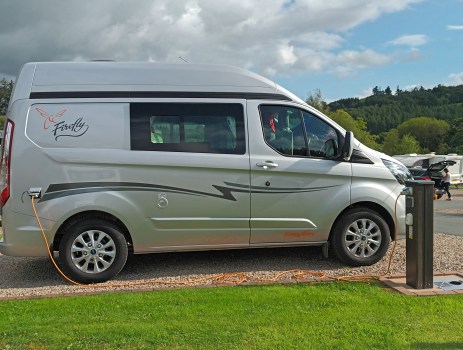
Our campervan in the lovely coastal village of Burghead

I not only write travel articles for MMM I also read it from cover-to-cover.  Consequently, when I read the advice from Terry Acreman regarding fitting high-pressure tyre valves to your motorhome (August 2016), I marked the page and promised to do something about it when we had time.   The weeks passed by and the valves remained on the list, until we eventually had time to tackle this.  I contacted Tyresave, as recommended, and purchase five high-pressure tyre valves [one for the spare] and then booked our Renault Master in to National Tyres in Manchester for the fitting.  The appointed day was sunny and as Manchester city centre is just a 15 minute stroll along the canal from National Tyres we thought we would combine the valve-fitting with a leisurely coffee and a visit to a photography exhibition we wanted to see.

We hadn’t even licked the cappuccino froth from our lips when the phone rang; it was National Tyres to say they couldn’t find the wheel brace.  This wasn’t surprising as it is under the bed; feeling it was too complicated to explain, Mr BOTRA volunteered to walk back while I made a start on the exhibition.  About 20 minutes later, while I was unhurriedly admiring the photographs, my phone rang again.  Having arrived and retrieved the wheel brace, Mr BOTRA was on his way back to the exhibition and the tyre fitter was now ringing to say that the first tyre was off and he could see our ‘van was already fitted with good quality high-pressure tyre valves!

Re-united we both returned along the [now very familiar] canal to pick up the ‘van feeling somewhat shame-faced that we hadn’t realised what sort of valves Renault fit on their ‘vans.  The National Tyre’s fitter was very cheery about the whole thing and, to make us feel better, explained that they had only recently started seeing vans fitted with these valves.  National Tyres didn’t charge us anything and Tyresave took the valves back with a generous refund so only our self-respect was lost.

Springtime in Yorkshire

2017 Feb East Riding (20).JPG
The cliffs of Flamborough Head

Walking along the wide expanse of Fraisthorpe Sands was easy as we headed north towards Bridlington.  I meandered along the beach doing a spot of beach combing, finding beautiful stones and shells, watching the oyster catchers feeding on the shoreline and a flock of sanderlings flying in formation.  A group of three horses were ridden through the waves and wind surfers were enjoying the surf.  We explored the old look-outs that had slipped on to the beach as the soft clay erodes.  A beach is never dull.  After hot chocolate in Bridlington we returned, now walking in to the wind and I was bent over to avoid the wind in my eyes.  I found a discarded plastic bag in the surf and filled it with plastic bottles and other litter as we got closer to the ‘van.

Earlier in the day we had stopped at the village of Rudston to see the stunning tall Neolithic monolith in the churchyard and the graves to Winifred Holtby and the MacDonalds of Sleat.  We had camped in an idyllic small site south east of York, no facilities or electric but a view of a small lake.  We had watched a group of tufted ducks diving and moving purposefully as we had breakfast.

From Bridlington we walked to Flamborough Head, the path hugging the line of the cliffs.  Showers rushed in as we reached the lighthouse and we sheltered in the cafe before going down to the sea.  The white cliffs were shining and stunning after the rain and we watched two seals bobbing n the bay. Following the cliff path to North Landing we spotted elegant gannets flying in formation over the surf and guillemots, fulmars and kittiwakes lined up on the cliffs.  Another shower came in and we were lucky to just catch the hourly bus back to our campsite.

After an evening of rain, clear skies came and we woke to sunshine.  We drove to Pickering and Cawthorne Roman Camp.  The ditches and banks of this vast site on the edge of the North Yorkshire Moors are impressive.  From here we followed paths through woodland, fields and moors on a nine mile walk, much of our route on the Tabular Hills Walk, an intriguing name that comes from their distinctive table-top shape.

Our trip had taken us through swathes of snowdrops and bright daffodils just starting to flower but it was a mammal that made me really feel like it was spring.  It was the first day of March while we were away and that morning we spotted our first brown hare of the year gracefully lolloping around the field we were camped in.  These fast-moving and beautiful animals came to the UK with the Romans and are always joyful to watch.  For me the March hare always feels like a real herald of springtime.

What will we miss about being part of the working community?

20151009_142252.jpg
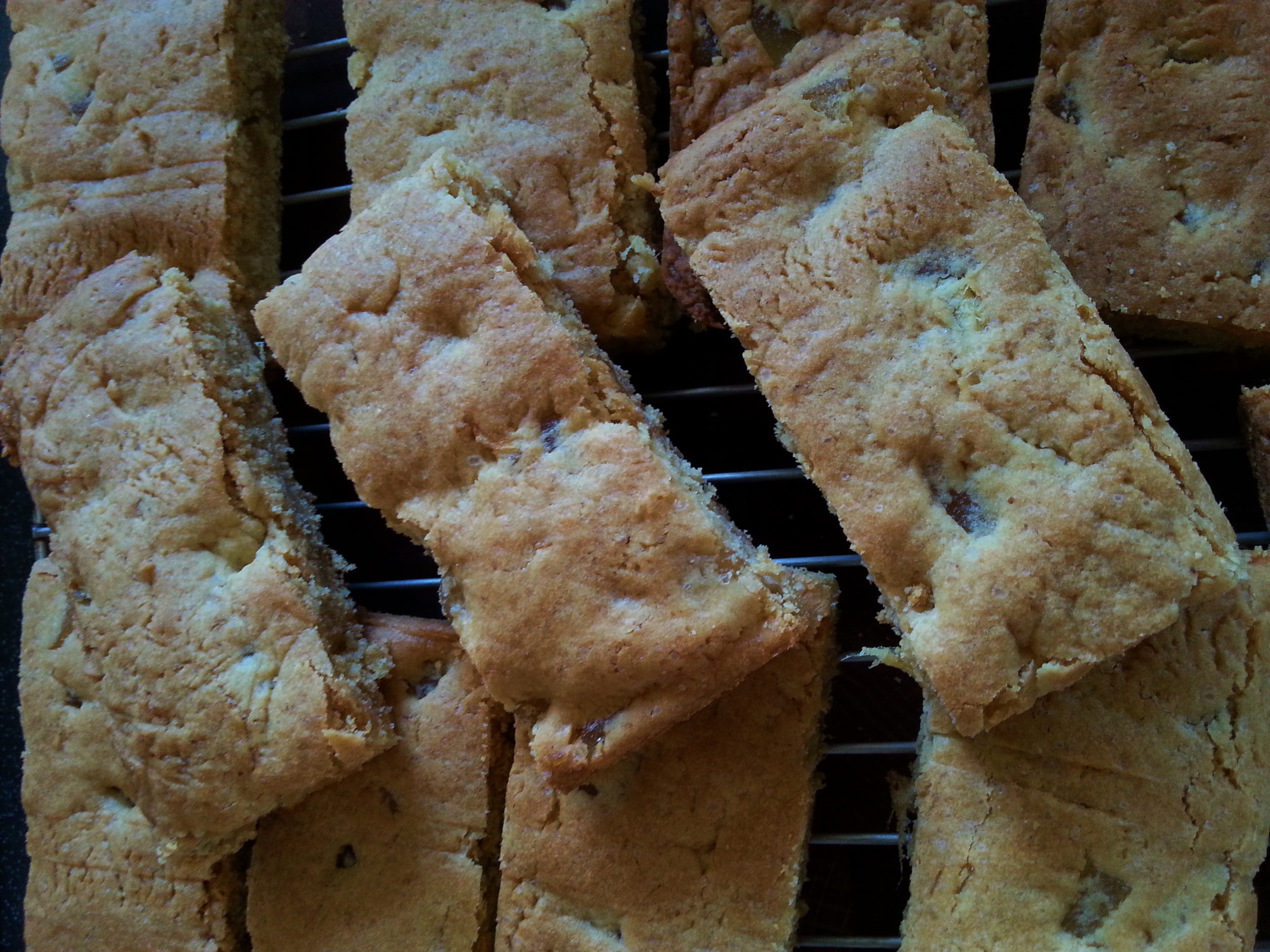
Three ginger tray bake

There are not many things we will miss about work and there are certainly not many perks to working in the public sector that we will no longer benefit from.  But there are a group of guys Mr BOTRA works with who we will miss enormously.  His workplace workshop engineers have always been willing to use their technical and engineering skills to help us out with our latest DIY project [no matter how batty] involving the campervan or the bikes.  When we needed a metal plate to protect the worktop from [further] damage in  our old Blue Bus they found a suitable piece of scrap they had discarded in a corner, cut the metal to the size we needed and gave advice on how to fix it.  In our new ‘van we couldn’t find anywhere to put the hanging knife rack we had used in the Blue Bus.  It was this team who came up with the a foam knife rack design that fits neatly in to our cutlery drawer; again constructed from a small off-cut, this not only keeps our sharp vegetable and bread knives safe it is also lightweight.  On another occasion we decided what we really needed was a small container that just fitted in to the narrow space between the end of the worktop and the back doors to use as a waste bin.  Who did we call?  Yes, you guessed it, a visit to the workshop with a rough sketch was all it took and a few days later a beautifully constructed box of precise interlocking pieces was created from some small and spare bits of perspex that would have just found their way to landfill.

There have been other examples over the years when these guys have helped us out and there are many things we couldn’t have done or we would have had to pay dearly for without them.  As well as practical help they are also willing to give sound advice based on their workshop experience that is better than any You Tube video.  When we were unsure how to deal with a mis-behaving screw in the ‘van they had a great solution and a seized up bicycle part is just a challenge to these colleagues, bouncing ideas off each other as to the best way to free the parts.

This team of engineers have the skills to come up with these ideas and access to materials and tools we don’t have.  We are very grateful for their help and like to show this in some small way.  We could spend money on chocolates or tins of biscuits for these saviours but as frugalistas we say thank you by doing something we do have the skills to do; to show our appreciation for their help we bake them biscuits and cakes.  Every now and then Mr BOTRA will pop some homemade treats in to a tin and take them in to work for their tea break.

We will certainly miss their expertise and willingness to give any of our projects their consideration.  In just a few weeks time we will be on our own [with just You Tube to help] with our DIY projects.


Staffordshire oatcakes & The Roaches: an almost perfect combination weekend

2017 Feb Rudyard and Three Shires Head (5).JPG
Looking over the Mermaid Pool to the Roaches and Cloud in the distance

Almost anyone living near Leek on the edge of the Peak District in North Staffordshire will have been bought up to enjoy Staffordshire Oatcakes for lunch and breakfast.  Leek oatcakes are not the paper-thin oaty imposters you can buy in the supermarket, these phonies give only a hint of the deliciousness of the oatcake.  The ones to buy and savour are the thick and fluffy oatcakes that you must travel to Leek to find at the simply named ‘Oatcake Shop‘ on the edge of the town.  We generally return from this area with a dozen for the freezer to satisfy our cravings until our next visit.  Oatcakes are a local delicacy that existed before the UK had ever discovered the wrap and they are perfect hot or cold and rolled or folded with all sorts of fillings, although our favourite remains grilled cheese.

Leek is a small market town surrounded by hills and the Roaches, an outcrop of gritstone crags that rise from the heather moorland above the town.  If you don’t get to the Oatcake Shop in time to buy your oatcakes you can always call in to The Roaches Tea Room to enjoy an oatcake lunch there while taking in the splendid view over Tittesworth Reservoir.

We had a great and restorative weekend in this area.  On Saturday we walked along the disused railway line between Rudyard and Leek and I reminisced about the days when this walk was my commute to work.  On Sunday we walked from Flash to Three Shires Head where Staffordshire meets Cheshire and Derbyshire.  Flash claims to be the highest village in Great Britain and as children we learnt that it is where the term ‘flash money’ came from.  At the remote Three Shires Head criminals could easily jump from one county to another to escape arrest and this may have led to it being an ideal spot for illegal activities, one of which may have been counterfeit coins.  Three Shires Head is one of my favourite spots but on this Sunday it was noisy with the sound of scrambling bikes and the air was heavy with the smell of two-stroke oil that took me back to my motorcycling days.  I am always impressed with the skillful handling of motocross riders but the pretty and generally peaceful spot of Three Shires Head is not an appropriate place to practice this sport.

We stayed at Goatfell Farm, a Caravan Club Certified Location at Bottomhouse near Leek for £13.  This lovely and welcoming site sits in an open field and we had a glorious sunset across the fields in the evening and we tried a bit of star gazing in the clear night away from the city streetlights.