Top tips for a campervan trip to Kintyre, Scotland

Kintyre
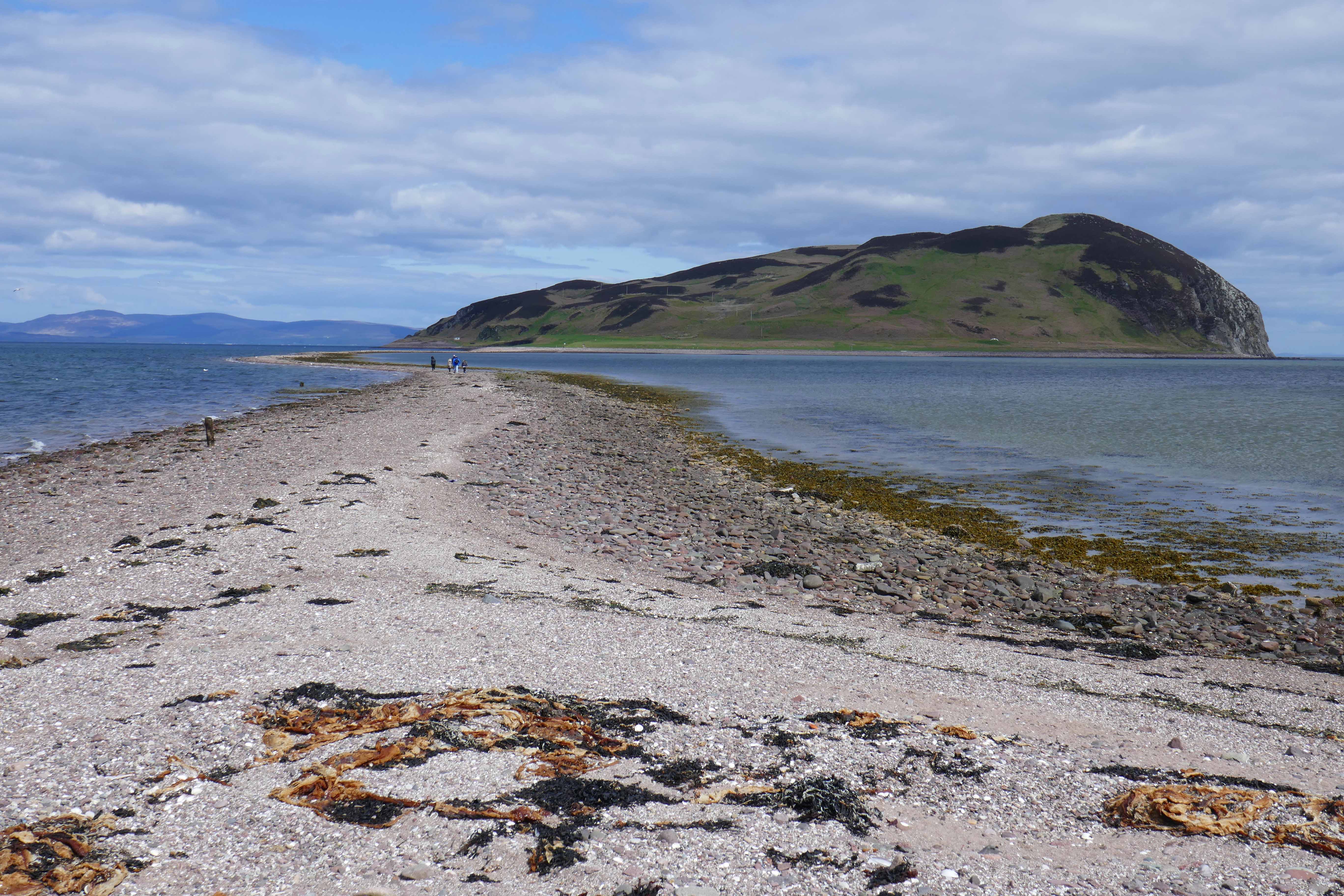
The causeway to Davaar Island

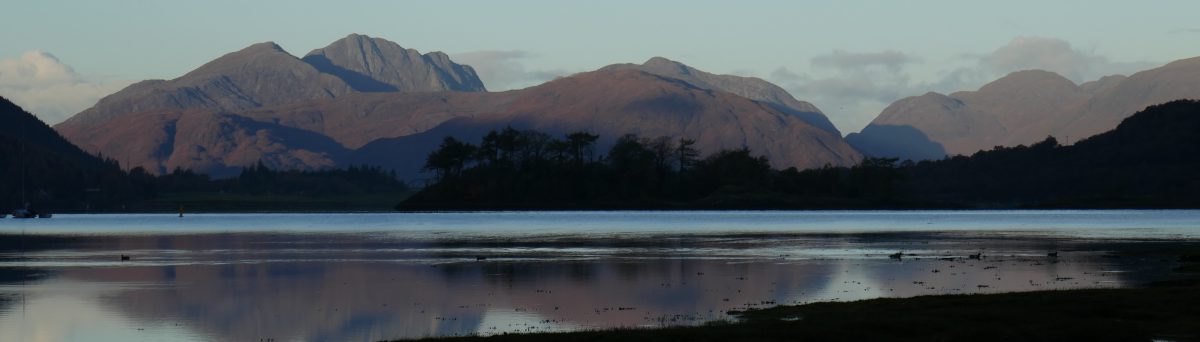
The long finger of the Kintyre Peninsula, on the west coast of Scotland feels almost like an island as the sea is never far away and when you arrive you feel truly off the beaten track.  This scenic and historic area is well worth exploring for a few days.  With quiet roads and different views around every corner it is perfect for a campervan trip.

We took the ferry to Tarbert and arriving by boat in this pretty port felt like the best way to start our tour.  We explored the town that has a pleasant buoyant atmosphere, climbing up to the castle and visited the Loch Fyne Gallery overlooking the quay.  Here among the quirky and beautiful items I found perfect gifts for friends.

Not far from Tarbert, walk through the ornate gateway to find the impressive ruins of Skipness Castle.  Built in the 13th century you can still climb a staircase for the view out to sea and to the tiny chapel at Skipness Point.

Not to missed is Big Jessie’s Tearoom.  Park up and enjoy a friendly welcome and homemade cake or lunch or breakfast with a good cup of tea and a sea view.  Campervans and motorhomes are welcome to stay overnight in the field next to the ferry car park.  You can use the ferry car park too but this can get busy.

Gigha, a community-owned island off the coast of Kintyre, is the perfect size for cycling, being around 10 km long and also happens to be a stunning and friendly place to visit.  We took our bikes on the ferry and cycled the one road from top to bottom.  The spring colour of rhododendrons and camellias and the woodland and walled garden at Achamore Gardens are dazzling.  Like us, you will probably have the bays on the northern tip of Gigha to yourself and enjoy good food, coffee and cakes along with a view at The Boathouse.

After exploring Campbeltown, check the tide times and walk out to the tidal Davaar Island.  It is safe to walk along the causeway three hours either side of low tide and you will have so much fun you need to give yourself plenty of time to get back.  The walk across the stony causeway with the sea on either side has a marvellous airy feel with fantastic views.  On the island scramble around the cliffs on the south side to find the hidden cave painting of the Crucifixion.  This was painted in 1887 by a local artist, Archibald MacKinnon.

On the fresh Atlantic coast of Kintyre is Machrihanish Bay, a beautiful sweep of sand that is three miles long.  The sky is big here and watching the sun set into the sea here is a real treat.  Find a comfy rock to sit on and take in the views of the Paps of Jura and Islay on the horizon and you will hopefully spot seals and maybe an otter.

Follow the narrow and winding road on the east coast and you come to the tiny hamlet of Saddell.  Here you can stroll around the atmospheric Saddell Bay with Saddell Castle, a 16th century tower house that is available to rent through the Landmark Trust.  Inland we found the remains of the Abbey and remarkable medieval grave slabs with effigies of the people buried there.

The Kintyre Way weaves for 161 km around this wonderful and varied peninsular.  We walked a short and easy to follow section of this trail from Carradale to Cnoc nan Gabhar for wide views over Carradale Bay and beyond to Arran.

Overnights

Big Jessie’s Tea Room, Gigha Ferry Terminal – free overnight if you don’t count the homemade cake

Machrihanish Holiday Park a great value campsite that feels spacious and has wide open views and great separate bathrooms, near to a village with a pub.

Carradale Bay Caravan Site –  a popular site on a lovely bay.


An Eye-opening Guide to Wearing Glasses with some Iconic Spectacle Wearers

beach-blur-close-up-690887 (1)

For as long as I can remember I have been visiting opticians.  I have worn specs since I was a small child and these days I am at the opticians every couple of years to have my eyes checked out.  I was born with a right eye that was called a ‘lazy eye’ [amblyopia] something around 1:50 children develop.  This right eye never opened fully and despite treatment as a child [a plaster over the ‘good’ eye and drops to encourage the left eye to do a decent day’s work] all I can see through that eye is a blur.  Because I really only have one working eye I make sure I take good care of it and I blame it for my inability to play tennis!

These days I love buying new specs.  As they are something I wear all the time it is a treat to get new ones and I choose different styles every time in the hope that someone will notice.  Over the years I must have worn every style of glasses,  rainbow-coloured plastic frames with large lenses in the 1980s,  turquoise narrow metal specs and chic black designer frames.

As I was choosing my last new specs [two pairs one for sunglasses and one for cloudy days] I got chatting to the helpful member of staff.  I had chosen a pair of metal frames that had round lenses and I asked the assistant, ‘Do they make me look like John Lennon or are you too young to remember John Lennon?’  He laughed and politely said they looked good, adding, ‘John Lennon is one of the most popular spectacle wearers customers mention, along with Harry Potter.’  Slightly put out that I hadn’t been more original, I tried on another pair with large lenses that reminded me of another famous spec wearer, Deirdre Barlow.  We are in Salford so despite the assistant’s tender years this was another familiar name; Deirdre was well known for the big glasses she wore in the popular soap, Coronation Street.

As Mr BOTRA and I walked home we mulled over other iconic spectacle wearers, perhaps I could have come up with fresher examples.  We considered how Woody Allen would seem undressed without his black Moscot specs.  Mahatma Ghandi is familiar in his round metal-rimmed glasses, similar to those of John Lennon and perhaps a more creative suggestion next time I am at the optician.  Other famous spec wearers came to mind.  It is reported that Elton John owns thousands of pairs of specs in a rainbow of colours; Dame Edna Everage sported stunning ornate frames or ‘face furniture;’ Bono is a man many of you will think of wearing shades; and [even though she changes her glasses frequently] I always picture Billie Jean King in a pair of thick plastic specs.

In the 1970s wearing glasses wasn’t at all cool, although they always made you look more intelligent!  As a child I hated being the only one among my friends that had to wear specs and for a short time as a teenager I stopped wearing them at all.  I pretty much had little idea what was going on around me during that period as the world went by in a blur but it was a time when I didn’t really care to engage with the world.  Contact lenses aren’t really a good idea when you only have the one functioning eye and specs were my only option.

Fortunately, my first job was working in an optician’s shop and the only perk was free specs; at last I could buy something more up-to-date that I was prepared to be seen wearing!  My enthusiasm for the variety of spectacle frame design began here.  Today I am happy wearing my specs and I am grateful to all these iconic spec wearers for making it fun and even trendy.


What do retirees do all day?

06.11.2018 saillans small

Two years into retirement, what do we do with our days? The paid travel writing I do to one side, here is a selection of things we get up to. There isn’t anything on the list that will blow your socks of, this is stuff that everyone does. The difference is that working people have to fit these activities into evenings and weekends. We enjoy having a lot more time!

What do retired people do all day? The list:

Daily or more than weekly

  • Blog writing
  • Listening to the radio or music
  • Reading novels [so much writing meant that last year I only read 47 books compared to 69 in 2017]
  • Keeping up-to-date with current affairs
  • Watching TV programmes and films
  • Learning languages
  • Getting out for a walk either locally or further afield – I am aiming to walk 2,019 kms in 2019!
  • Puzzles and quizzes
  • Completing surveys for small financial remuneration [with You Gov, Research Opinions and others]
  • Practising tai chi [we attend a weekly class when we are at home]
  • Going to our on-site gym
  • Social media
  • Cooking [and eating]
  • Talking to each other about our plans and ideas or politics and the news
  • Cleaning and laundry
  • Supermarket shopping – we tend to do this on foot or bicycles and shop at least a couple of times a week
  • Managing our finances

More than once a month

  • Researching and planning trips in our campervan
  • Supporting a local charity as a volunteer
  • Supporting the company that manages our flats as volunteers
  • Going camping
  • Cleaning, fixing or making things in our campervan

Monthly or occasionally

  • Meeting up with friends
  • Helping friends and neighbours
  • Attending our book group
  • Litter picking [although I’ve not done this as much as I hoped]
  • Going to music gigs, the cinema or theatre or football matches
  • Visiting local museums and galleries
  • Jigsaws
  • DIY in the flat

Asparagus cooking in a campervan

As a child I’d never even heard of asparagus let alone tried it.  Something as exotic as asparagus never reached a small Staffordshire village in the 1970s!  It took owning a campervan to encounter this wonderful vegetable.  Back in 2007 we took our new Devon Sundowner across Germany and to Poland.  It was late May and early June and driving through Germany we couldn’t miss the fields of asparagus and the roadside asparagus stalls.

Trying a new food can be daunting but I like to give things a go.  At a farmer’s market in Hamelin I found a stall selling asparagus and decided to take the plunge. Not really  knowing what was the right amount to buy and not knowing how to ask for half a kilo let alone a quarter in German, I came away with a kilo of green asparagus!  We lived like kings, eating asparagus for three nights running and I quickly learnt different ways to cook it, adding it to risotto, flash-frying it in butter and roasting it.  My love affair with this vegetable had begun.  In Germany that year we tried white asparagus as well as green, which is grown beneath the soil.

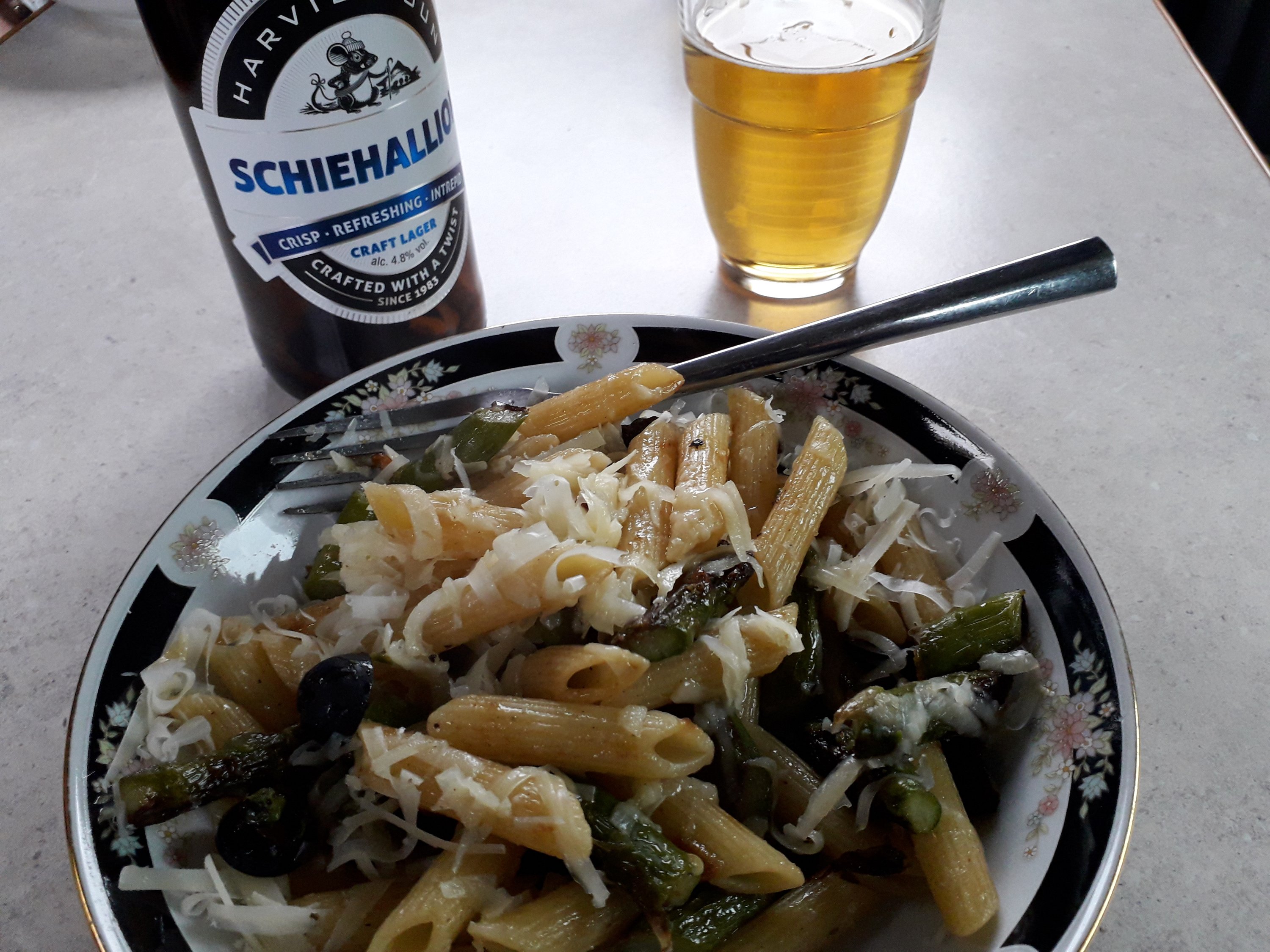
Nowadays I can’t wait for May when the short asparagus season begins.  Our first asparagus-based meal this year was a simple pasta dish. The asparagus was flash-fried in olive oil with garlic and black pepper in my RidgeMonkey grill pan and served with cooked pasta, sprinkled with some grated hard Italian cheese.  We had a bottle of tasty Scottish beer to wash it down. What a Spring-time treat!

Is hitch hiking dead?

A glorious day in Glencoe

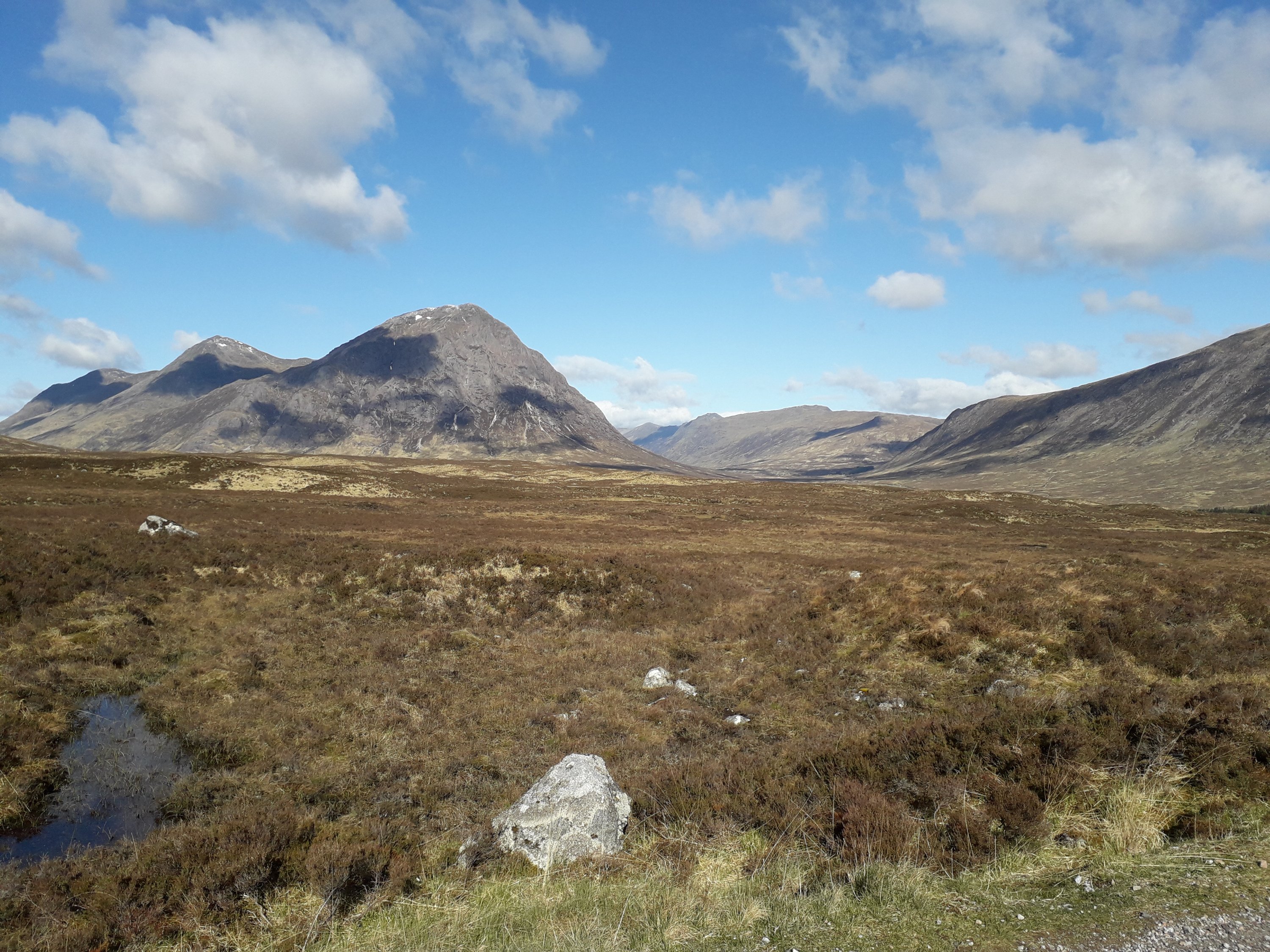
When did you last see a hitch hiker?  And if you do see one do you stop and give them a lift?  We recently tried our hand at hitch hiking for the first time for many years.  We had perfect weather while we were in Glencoe, sunny with pretty much wall-to-wall blue skies. We were camping at The Glencoe Mountain Resort and I was keen to walk the section of the West Highland Way from Kingshouse to Kinlochleven that goes over the dramatically named Devil’s Staircase.  This is a steep section of one of General Wade’s military roads and it was the soldiers who built it who gave the path this dark name. This was continued by the workers from Blackwater Dam who used it to reach the hotel at Kingshouse for a pay-day drink and unfortunately some of them never made it back.

We planned a linear walk, starting from our campsite, we suffered no mishaps and enjoyed a fantastic 16 km walk up Devil’s Staircase and along the high path that rewards walkers with tremendous mountain views. We could see Ben Nevis in the distance and looked down on the expanse of Blackwater Reservoir, built for Kinlochleven’s aluminium smelter.

In Kinlochleven we had time for drinks in the climbing centre before catching the bus to Glencoe. We then had a four hour wait for a bus to take us back the 20 km to our campervan. Unbelievably there is no regular bus service through Glencoe, one of Scotland’s most popular walking areas.  Linear walkers just have to wait for one of the infrequent buses linking Skye and Fort William with Glasgow.

We considered sitting the wait out in The Glencoe Inn (not a dreadful way to spend a few hours) or ringing for a taxi but decided to firstly try the frugal option and stuck out our thumbs without much hope of success. ‘No one hitch hikes these days and anyway who would pick up two folk loaded up with rucksacks and walking poles,’ I said as another car sped by.  Then, a miracle happened, after just 15 minutes of hitching a car slowed down and pulled in.

As every hitch hiker knows chatting to people on the road is a big part of the enjoyment of hitch hiking. Our knight in shining armour was on a solo road trip and welcomed some company.  He not only took us right up to our van, he also told us all about his plans to plant thousands of trees on the farm land that had belonged to his parents, shared his thoughts on the short comings of tourism services in Scotland (Glencoe’s lack of bus service giving us a good starting point for that topic) and told us about the ailing aunt in the south he was on his way to visit.

Of course, there were two of us and we felt safe. As a teenager with little money I did hitch hike alone and without a thought.  These days although the risk is low I would think carefully before hitching on my own. We do pick up hitch hikers when we can, although only having one travel seat in our campervan limits us.  Every time we have picked up a hitch hiker we have met interesting people with a story to share.

I’m pleased to report that hitch hiking isn’t quite dead in the UK, although since our own experience in Glencoe we’ve not seen another hitch hiker to have the chance to help keep frugal travelling alive.

Who Wants to Feel at Home When They are Abroad?

11.02.2018 Pedraza and Riaza (12)

I dislike feeling at home when I’m abroad, George Bernard Shaw

These words of George Bernard Shaw are in the opening scene of Widowers’ Houses, his first play to be staged in 1892.  This opening scene is set in Remagen on the Rhine in Germany where Harry Trench and his friend William Cokane are travelling.  William Cokane meets a Gentleman who does not share Cokane’s excitement at hearing English spoken while in Germany.

THE GENTLEMAN [to Cokane] We are fellow travellers, I believe, sir.

COKANE. Fellow travellers and fellow countrymen. Ah, we rarely feel the charm of our own tongue until it reaches our ears under a foreign sky. You have no doubt noticed that?

THE GENTLEMAN [a little puzzled] Hm ! From a romantic point of view, possibly, very possibly. As a matter of fact, the sound of English makes me feel at home; and I dislike feeling at home when I am abroad.  It is not precisely what one goes to the expense for. 

Many travellers will relate to this, none of us want to waste the expense of going abroad and then feel like we are in the UK.  I do want places to feel different to home and in some way foreign; either the food, the language, the culture or the architecture should be shouting out to tell me I am somewhere other than home.

That said, on a campsite in another country hearing English spoken can be lovely.  Much as I love talking to my partner, after a few weeks away it can be exciting to talk to someone else in ‘our own tongue’ rather than struggling in the local language where I have only limited small talk and mostly rely on gestures and a handful of words.  Other travellers are a mine of information; they often give recommendations for good campsites or places to visit and they might have a top camping tip or know about roads to avoid or have entertaining travellers tales.

When we travelled around southern Europe for a year in our former campervan in 2009 / 2010 I was certainly very pleased to meet fellow English travellers as this sometimes meant I would find books to swap.  We had nowhere near enough room in our VW to carry all the books I could read in 12 months and I relied on campsite book swaps and other campers to get new reading material.  If there was someone from the UK around I would take the pile of books I had read round to them and ask nicely if they had anything to swap.  This approach revealed some gems and was a great opener for making new friends.


How to Apply Marginal Thinking to Financial Independence and Frugality

10.01 marvao walk small
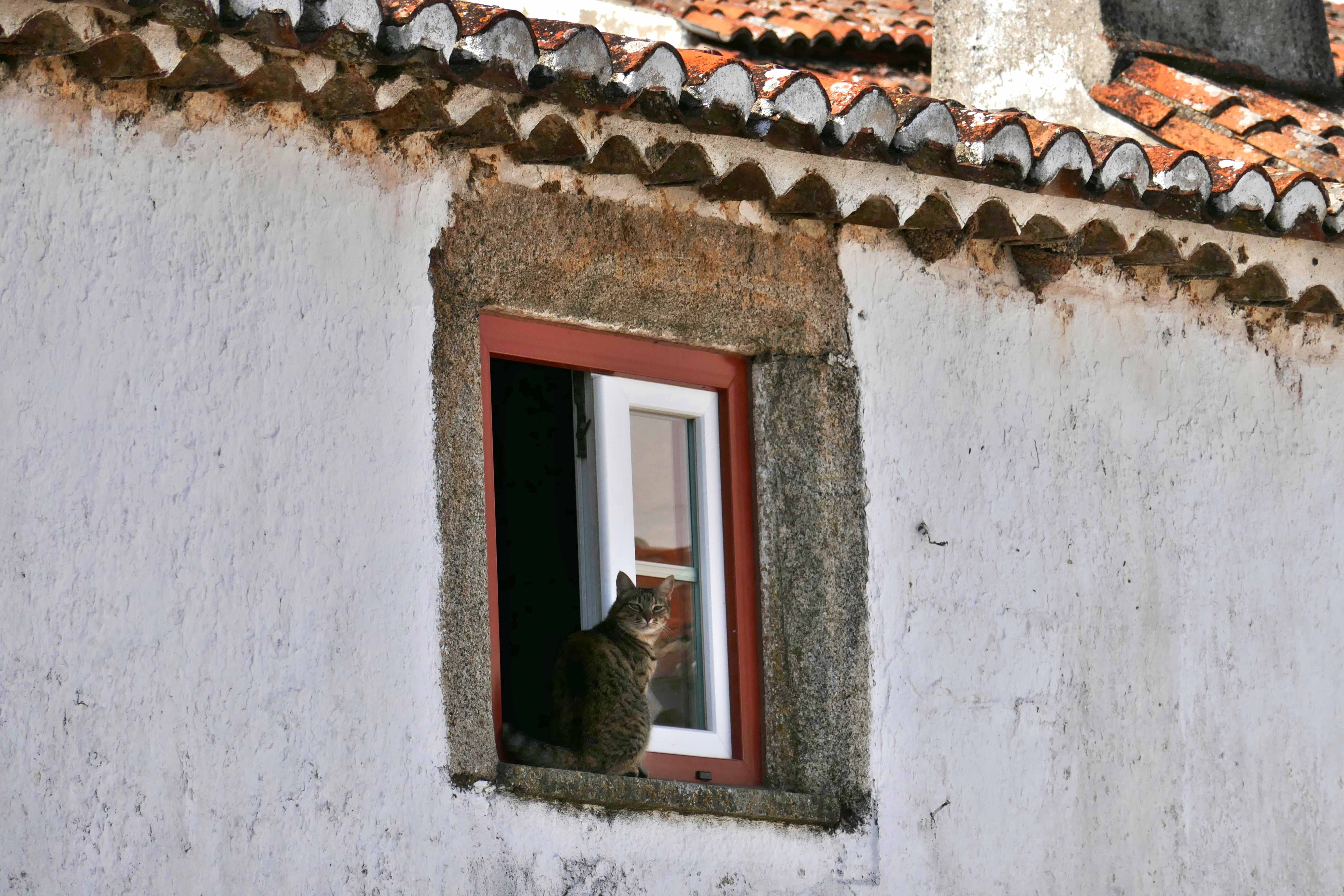
A Portuguese cat looking down on us

Maybe in 2018 I took my eye off our financial ball.  Maybe I thought I had got the hang of being frugal, I was complacent and we ended up with a higher spending year than our budget allowed.  I thought we were in the frugal groove, I relaxed and wasn’t frugal 100% of the time.  Some people suggest you can’t take time out and that it is better to be frugal every minute of every day, staying in control and never allowing any marginal spending that will be the start of the path to profligacy!

Clayton Christensen tells his readers:

“It’s easier to hold your principles 100 percent of the time than it is to hold them 98 percent of the time.” 

He argues that if you follow your rules 98% of the time and make the assumption that doing something ‘just this once’ is a marginal action and negligible in the bigger picture, in the long run you will pay a higher cost.

An example … There are times when – in some particular extenuating circumstances – you might think of breaking the law with a small-time low-level crime that doesn’t hurt anyone.  Analysing your action based on the marginal cost, you figure the chances of being caught and going to jail are low.  But then small lies or wrong-doings can lead to further covering up and more lies, quickly snowballing and very soon the price doesn’t seem so low.  Hold your moral boundaries 100% of the time and you can be happy with who you are.

It is only human to use this marginal-cost analysis.  I am certainly guilty of occasionally buying just this one thing on the spur of the moment, rather than following our think-about-it-for-a-month policy.  Is this a slippery slope?  Will that one purchase snowball and lead to extravagance?

I am not totally convinced with this argument and think I might be happy with achieving frugality 98% of the time; however, I recognise that being aware of what is happening is a useful first step in considering your action, acknowledging it and finding strategies to avoid it in the future.

And yet … If I do buy something on the spur of the moment it is something I do with a full picture of our finances.  Everything we spend is noted, a manual process I find gives me time to thoroughly examine our outgoings.  It gives me the opportunity to question if any spur-of-the-moment purchase, however marginal, really did bring contentment or meet a need.  The process also means I will spot trends early enough to make changes.  A small just-because purchase doesn’t necessarily throw everything out of kilter.

I don’t think I did take my eye off the ball in 2018, my own way through a frugal life continues.  In 2018 one of the main reasons we over-spent was because of maintenance and repairs on our campervan.  These were in no way marginal costs, they weren’t negotiable and I don’t see them as an extravagant trend.

We all have our own ways of being frugal, some people continue to enjoy restaurant meals, others still want to spend money on looking good or have expensive holidays.  Everyone works it out for themselves.  Being frugal 100% of the time, avoiding unnecessary purchases and avoiding any marginal spending might be an ideal … but then again I am only human!


A week of stunning hill walking around Arrochar & Loch Lomond in Scotland

The Cobbler

A week of good weather in Scotland in April was such a gift. One that gave us plenty of opportunity for some great hill walking around the Loch Lomond and Arrochar areas just north of Glasgow.

We started off with a mountain that was once a Munro (A Scottish mountain that is over 3,000 foot / 917 m) but it was demoted when more accurate surveys found it to be just short of the magic number. That doesn’t mean Beinn an Lochain is an easy walk and for our first day out on the hills it felt like tough going. The accent is steep and relentless with sections more of a scramble than a walk but the reward is great views. We set off and returned to the lay-by after the Rest and be Thankful summit on the A83. The path fades away in places and there are false summits to dent the motivation of tired walkers like me but it was a great start to the week.

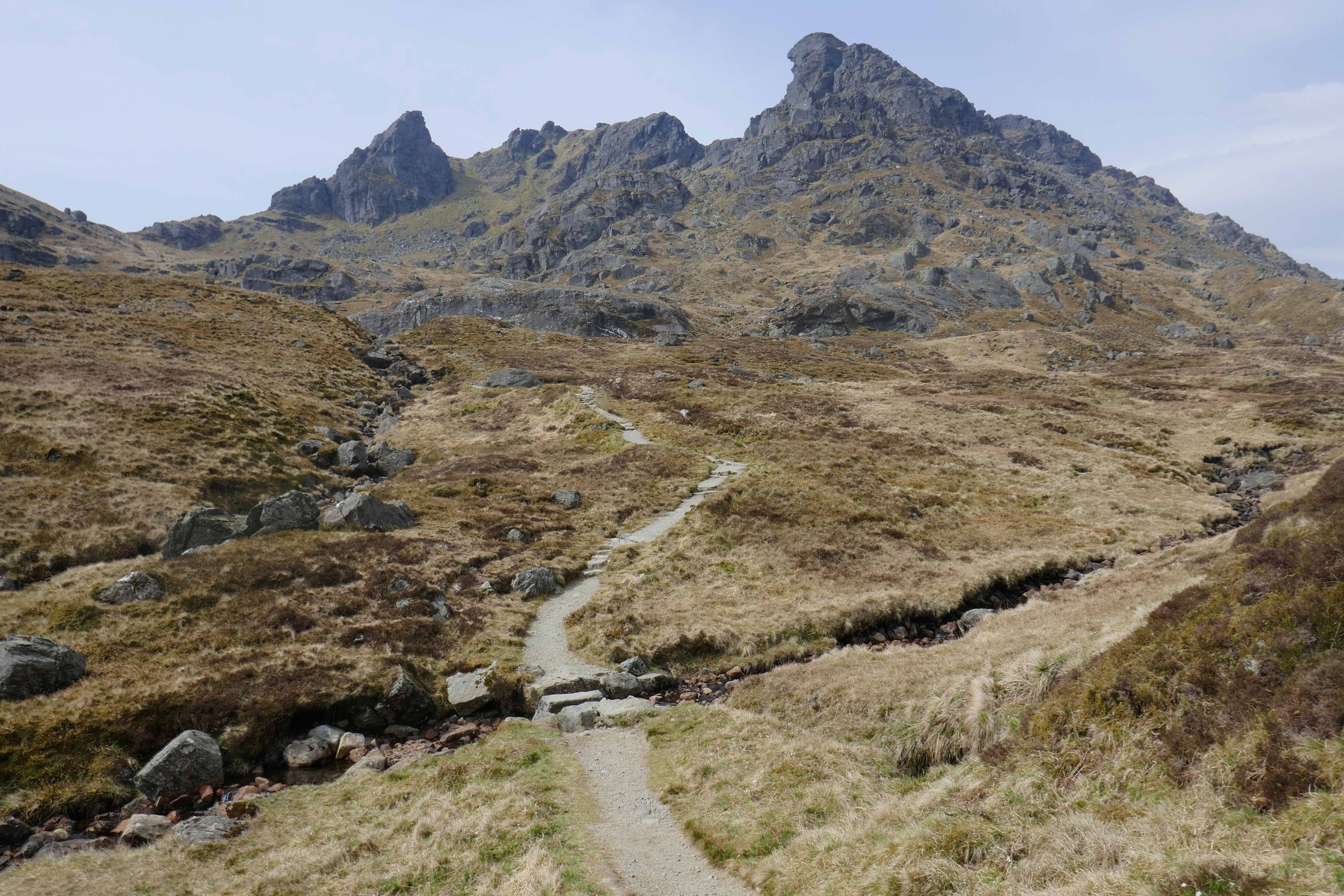
A couple of days later we set off up The Cobbler or Ben Arthur. At only 884 m high this doesn’t make it to Munro status either but you start walking at sea level so gain more height than you do for many a Munro. The Cobbler is a distinctive hill that is full of character and justifiably popular. It was busy on the sunny day we walked up it but we didn’t see anyone climb the final pinnacle to the true summit. Instead we watched plenty of people having fun clambering through the gap in the rock to pose for a dramatic photograph. After scrambling up the front we descended around the back to the path that goes to Beinn Ime meeting a young woman heading for Beinn Ime. She was concerned about her mum who was somewhere behind and planned to descend alone. Her mum passed us as we stopped for a rest later and smiled when we revealed how her daughter had shared her concern with strangers.

Ben Vorlich above Loch Lomond was our final mountain of the week. For some reason this 943 m peak isn’t a popular hill and we had it to ourselves. It is another steep ascent and despite it being a fine day the summit caught the wind and we huddled below the ridge wrapped in all our layers to eat our picnic lunch. That said the views over Loch Lomond and Loch Sloy were worth the slog up. We went up and down Ben Vorlich from Ardlui on the banks of Loch Lomond.

In between the hills we enjoyed ‘rest days’ with some peaceful walking in and around Glen Fruin, a lovely glen above Helensburgh. There are military buildings here, some dating back to World War Two and a memorial to the 17 th century Battle of Glen Fruin. We walked some of the Three Lochs Way along the ‘Yankee Road’ built by Americans and another legacy of the Second World War. The views to Gare Loch far below and the Faslane Naval Base from this high road are stunning.

Flood defence & storage basin: #surprisingsalford #43

The opening of the Salford flood storage basin was a big deal.  Anyone who remembers the terrible floods of 2015 will be relieved to see improved flood prevention up and running.  The River Irwell has burst its banks many times over the centuries; notably in September and October 1946 5,300 homes were flooded.  The most recent flooding was on Boxing Day 2015; after a day and a half of constant rainfall 2,250 homes across Greater Manchester were flooded and over 500 businesses.  Water rushing into your home is devastating and for many of the families it took many months for their lives to get back to anything like normal.

The Salford Flood Basin opened in 2018.  I intended to visit earlier but other things got in the way and it was a fine but cold wintry day when I eventually got there.  I cycled along the River Irwell to the flood basin and entering along the path from Great Cheetham Street West.  Arriving at the flood basin I was firstly aware of  the size, it is huge (five hectares apparently).

At a cost of £10 million, we are told that the basin is big enough to hold more than 250 Olympic-size swimming pools of water and will protect almost 2,000 homes and businesses from flooding.  In addition, the scheme has created an urban wetland habitat and a green space for Salford residents.  A 2.5 km footpath runs around the periphery of the basin and on a sunny day this will be a peaceful place to stroll, well away from the bustle of the city.

The photograph at the top of the post shows one of the two kiosks on the site.  The colourful designs were decorated by Manchester graffiti artist, kELzO.

How does a flood storage basin work?

The basin is a sort of natural flood plain in the middle of the city.  Sitting within a sweeping meander of the River Irwell, the area was excavated and the soil used to create an embankment around the edge of the site.  This embankment is a flood defence in itself but if needed the storage basin can be flooded in a controlled way. through an inlet in one corner.  When the river levels are high excess water can be diverted into the storage basin where it will be stored and released back into the river when water levels have subsided.

It is hoped that this and the existing flood storage area at Littleton Road will prevent devastation like that seen on Boxing Day 2015 in the future.


1,000 Nights in Our Campervan Journals

Our campervan journals
Our Campervan journals

Does everyone keep a journal in their campervan?  We started doing this early on in our campervan career and I am often glad we have a simple record of our camping life.  We didn’t keep a journal for our first ‘van; we were newbies and it didn’t cross our mind … but once we got in the swing of being campervan owners we wanted a record of where we had stayed.  I grabbed a spare exercise book [no expensive notebooks for two frugal travellers] drew in some columns and started our first journal.

In each journal I write the date, the name of the campsite and place, the overnight cost, the number of nights we are staying and a brief description and review of the site.  I also use the journal to note things that we often forget such as when we last emptied the loo!  These journals started when we bought our Devon Sundowner in 2007 and have continued ever since.

We are now on our third campervan journal.   The notebooks all live in the ‘van and we refer to them regularly.  We often arrive on a site we have been on before and wonder how long ago it was since we were last there [it is usually longer than we think].  At other times we might want to remind ourselves what we thought of a particular site while planning a trip to help us consider if it is worth returning to.  Sometimes we just browse the journals for some misty-eyed reminiscing.

Although there is no journal from our holidays in our T4 we do know how many nights we spent in it thanks to photographs and diary jottings.  On the front of the journals I keep a tally of the number of nights we have been away during the year and in a particular campervan as well as a total of our nights under a tin roof.  Last summer we passed the milestone of 1,000 nights sleeping in a campervan in the eleven years we have been practising this van life.

We passed this 1,000 night’s milestone while we were camping in northern Italy.  We were staying near Arsiè and although neither of us were getting flashes of déjà-vu I was looking through the journals because we were both pretty sure we had stayed nearby back in 2009.  Flicking through the book to check where we had stayed we found we had been on the same site!   We were flabbergasted!  Where had the large sweet-smelling walnut tree we are sure we camped under gone?  Where was the green gently-sloping field down to the lake?  Either our combined memories were seriously faulty or they had re-developed the site beyond all recognition.  We would certainly never have known we had been there before without the journals.

These notebooks are packed with happy and vivid memories that I don’t want to let go of.  If you don’t keep a campervan journal then I suggest you start now.