




Although I love exploring almost anywhere in Spain, it is inland Spain that draws me and continues to surprise and amaze me. In inland Spain we have found great walking, fascinating history and spectacular sights. It isn’t that we haven’t visited the Spanish coast; in 2009/10 we toured along the entire Mediterranean coast of Spain and the Atlantic coast to Portugal. This was over winter and the coast certainly had the better weather, fantastic amenities and plenty of open campsites. Now we travel at a warmer time of year we have tended to search out a different Spain away from the sea and have discovered some gems.
Below is a list of some of the wonderful places we have stayed at to help anyone else in their search and planning for a trip to Spain away from the costas.
Aranjuez south of Madrid
The only reason we had pitched up in Aranjuez was its easy connection by train to Madrid, so the lively and interesting town of Aranjuez took us by surprise. With an ornate palace, large formal gardens modelled on Versailles, an attractive shopping centre and fascinating historical sites nearby there is more to do here than take the train into Madrid [although this is highly recommended]. Aranjuez was somewhere we stayed longer than we expected.
From the campsite, walk towards the town, cross a footbridge over the rio Tajo and you are in the Jardin del Principe. These shady gardens, where red squirrels play and peacocks preen, are divided into different themed areas. Another garden, The Jardin del Parterre, by the Palacio Real, an opulent pink and cream building, has fountains that spring to life to a timetable. If you haven’t seen enough of gardens you can explore the Jardin de la Isla, a wooded garden with paths lined with box hedging, lofty plane trees, more peacocks and some extraordinary fountains.
A short drive away is Chinchón, a Los Pueblos más bonitos de España set among acres of olive trees. The big attraction in Chinchón is the circular Plaza Mayor surrounded by charming three storey wooden buildings with balconies, many of these laid out with tables for romantic dining. The town is famous for garlic, wine and anise that can be more than 70% ABV and you can buy in one litre bottles.
We stayed at Aranjuez Camping – A large organised site about 1.5 km from the town with clean heated facilities and a supermarket
Alquézar, Aragon
We were in Alquézar at the same time as an Ultra Trail event and sweaty competitors were running challenging routes from 14 to 104 km through the hilly terrain. On our first morning the runners were racing along the Ruta de las Pasarelas, the footbridges route and so this was temporarily closed. No matter, as we could have coffee lazily watching the competitors arriving to power rock music at the finish line and look around the stunningly situated town and gaze into the gorge of the Rio Vero. In a small bakery we found the local delicacy, the dobladillo, a pastry with honey and nuts that is perfect for a picnic.
The popular Ruta de las Pasarelas descends to the gorge where we paddled in the shallow water and ate our dobladillo before continuing on the sections of metal walkways that are bolted onto the cliffs at different heights. It is slightly eerie walking high above the river on a mesh platform and we stopped often to enjoy the spectacular rocky scenery, spotting a kingfisher darting along the river. The final viewing platform suspended high above olive and fig trees and agave plants gives you a chance to look back along the canyon. After climbing back up to the town it is not unreasonable to have a cool beer in a cafe overlooking the gorge before exploring the narrow cobbled streets further.
The walking is stunning in the countryside around Alquézar and only limited by the time you have here. On our second day we took the advice of the Tourist Office and followed the Ruta Quizans and Chimiachas, a 14 km walk to caves where rock art has been discovered. On the hillside above the town we passed the Balsas de Basacol, a popular swimming pool in summer. Walking on sandy paths through fragrant juniper and rosemary bushes, for much of the day we had magnificent views into the rio Vero gorge. The cave at Quizans was somewhat disappointing but we carried on, descending down a limestone gorge to Chimiachas. Metal steps helped us reach the exposed shallow cave where we found the painting of a beautiful red deer from between 8,000 – 3,000 BC that made the walking worthwhile.
We stayed at Alquézar Camping, Alquézar – Terraced sandy camping site with narrow access routes & trees for shade, small shop & cafe, some good facilities, near to lovely town & good walking.
Albarracín and Teruel, Aragon
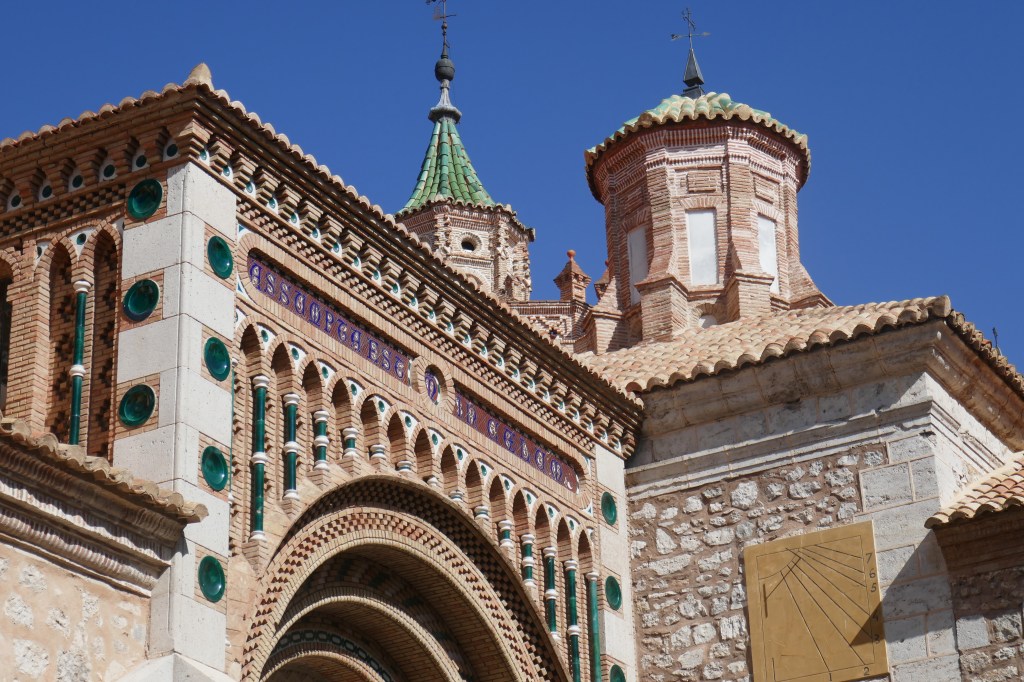
The Mudéjar architecture in the city of Teruel is delightful and well worth exploring for at least a day. We parked the campervan on one of the streets near the railway station and our first introduction to the city was the neo-Mudéjar staircase, the Escalinata, built in 1920. This ornate stairway copies the Mudéjar style of red brick and coloured tiles. After coffee in a smart nearby cafe we found the 14th century Torre de El Salvador. This and other towers are a fusion of Muslim and Christian styles using red brick and green and white tiles. Built with an inner and outer wall, the staircase climbs between the two walls with rooms on three floors, finishing in a bell tower that has great views over the city. We also visited the cathedral with a wood Mudéjar techumbre ceiling from 1300 that depicts Islamic geometric images and gothic human images in brilliant colours. In the Pasteleria Munoz we bought a delicious selection of cakes and chocolates.
The pleasant road to Albarracín passes through a green and craggy valley where we stopped to see some of the Roman aqueduct that alternates between canal and galleries cut through the cliffs.
The campsite at Albarracín is a short walk from the town but has a stunning view of Albarracín, huddled against the hillside, the castle walls climbing up the slopes. In the mornings the sun came over the hill behind our ‘van and picked out every details of Albarracin. The town is quite lovely, narrow pretty streets to get lost in and new interesting viewpoints around every corner. Many of the houses have decorative bars on the windows, timber framing and interesting door knockers, I spotted one made up of three snakes. In the main square we had coffee in a small cafe before climbing up to the walls, the south facing hillside a sun trap and busy with butterflies on the remaining autumn flowers. The walls are dotted with towers and crag martins fly in and out of the cracks between the stones. The views back over the roofs of Albarracín and to the castle are picture-box beautiful. We walked by the cathedral and castle and then climbed down to the green and cool path by the river that curves around the rocky outcrop the town sits upon and followed this back to where we had started. Back at the campsite, we watched the sun go down behind the town.
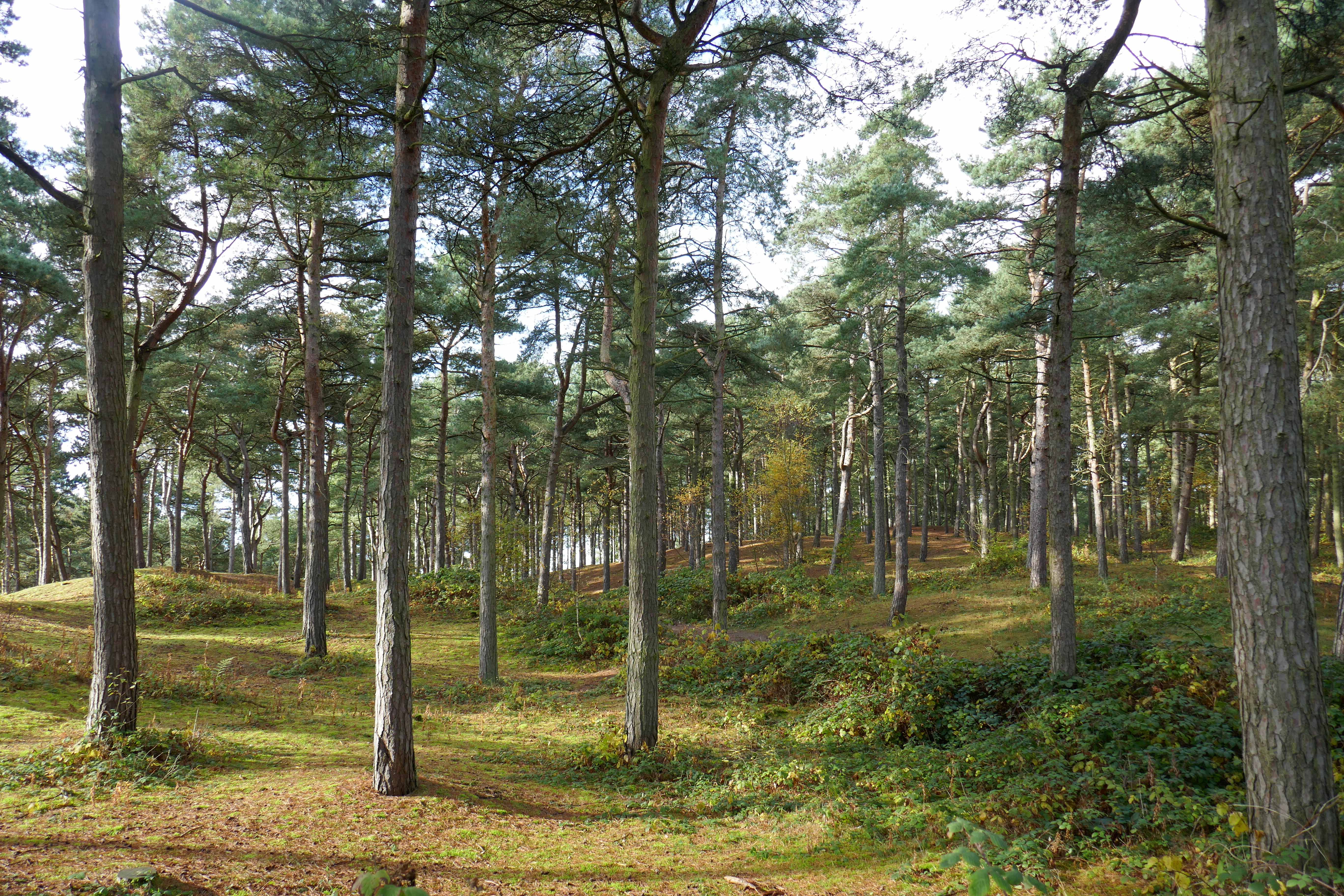
We took a walk through the maritime pine woodland where the trees have long needles, black bark and large pine cones and through the bouldering areas that many climbers come to the area for. We found caves with rock art of figures and climbed up to a mirador with views across the red sandstone gorge. On the way back to Albarracín we walked by abandoned farmhouses and came across a shepherd following his flock over a ridge.
We stayed at Camping Ciudad de Albarracin – A terraced site about 1.5 km from the town, with gravel pitches, some in full sun and clean facilities.
Valderrobres and the Matarraña area and the Parc Natural dels Ports in Aragon
We visited this hilly area for the cycling and had a fantastic time exploring the rural tracks and old railway line that is now a cycle route. Popular with Spanish visitors, we met few other foreign tourists in this area and felt as if we had come off the beaten track and found a gem of an area. You are near to Tortosa and not far from the coast and this makes it an excellent excursion from the costas to get a feel for Spain with a different vibe.
The Matarraña is a rural area with fields of olives and almonds and, being well-known for its pork, there are plenty of industrial pig units. Picturesque hilltop towns dot the landscape, each one dominated by a church.
We liked Camping El Roble in Valderrobres, although getting onto the cycle path did involve firstly paddling over the river. There are stepping stones and if you can manage these while carrying a bike then you are a better person than me. Once on the camino natural or track it is an easy ride into Valderrobres where there are shops and cafes and a castle. We cycled from Valderrobres steeply uphill to Beceite but found that the track became too rough for our hybrid bikes and so we joined the road. In the sleepy village of Beceite we took a narrow road to the Embalse de Pena that undulated through olive and almond trees, occasionally we saw someone checking the olive trees that would soon be ready to harvest. From the reservoir the road became more pot holed as it followed the river through pine woods, passing occasional abandoned buildings until we joined the road back to Valderrobres after 18 km of pleasant cycling.
Our second cycle ride from Camping El Roble was around 28 km. This time turning left on the camino natural we headed for Torre del Compte following the rio Matarraña through olive trees and by abandoned houses and stone huts. Reaching a road we cycled steeply up to Torre del Compte where we found a cafe for coffee before checking out this small pretty town. The road to the Via Verde took us downhill passing an Iberian burial chamber. We reached the old railway line that is now the Val del Zafán Via Verde [literally green way] and found a picnic spot for lunch before continuing 7 km to Valderrobres old station. The Via Verde has a good gravel surface and a steady gradient uphill all the way but with a head wind it was a bit of an endurance test. Valderrobres station is some distance from the town; an undulating minor road took us there. We stopped at the castle and then walked down through charming narrow streets, many of them stepped and lined with stone houses with small balconies and deep eaves, some painted an attractive powder blue.
We moved a short distance to Arnes for some more cycling in the dels Ports. It was a bank holiday weekend and on the Friday evening the site filled up with Spanish families and groups of young people here for walking and climbing. Arnes is a small town of warm stone buildings and a short walk from the campsite. There is a bakery and grocery store for basics.
Cycling out of the campsite we were soon on the Via Verde and enjoyed 34 km of traffic-free cycling to Bot and back. The track to the Via Verde goes steeply down to a bathing pool on the rio Algars, where we spotted a cray fish in the shallow water, before ascending to Arnes station. Here we joined hordes of happy cyclists, all enjoying the sunshine and countryside. The track is gently downhill and has a lot of tunnels with varying amounts of lighting, so your own lights are a must, although other cyclists will help you out if, like us, you have forgotten to bring yours! The cafe at Bot was doing a roaring trade.
On another day we drove from Arnes to the village of El Pinell de Brai, home to the ornate Catedral del Vi, built in 1922 and designed by a student of Gaudi [where we parked our campervan]. This wonderful church-like building is decorated with tiles of images of wine drinkers. We bought a couple of bottles of excellent wine from the shop, then set off on a glorious day of walking on the 12 km long Vall Closa walk which is way-marked from the village. This takes you through a battle ground from the Spanish Civil War and has information boards in English which I found fascinating. If the history of the area doesn’t interest you, then you can just enjoy the craggy and wooded scenery, although I challenge anyone not to be moved by the woodland memorial to dead soldiers.
We also drove to Corbera d’Ebre, parking on the main street. Here is the 115 Dies [days] museum which tells the story of the Battle of the Ebro over 115 days from 25 July to 16 November 1938. The museum explains the complications of the Spanish Civil War very well with interactive maps of how the front line moved each day and static displays of armaments, uniforms and an abandoned house. The information was in Castillian and Catalonian but we had a booklet with English translations. Later we walked up to the old town which was destroyed during the fighting and left as a ruin as a symbol of remembrance. For a small fee we wandered the ruined streets and into the roofless church, thinking about the people that had called these houses home and how they felt seeing them destroyed in just a few days. The Alphabet of Freedom are letter sculptures dotted among the ruins. After this sombre visit we drove the short distance to the charming riverside town of Miravet, picturesquely topped by a castle.
We stayed at Camping El Roble, Valderrobres – A small gravel site by the road with a friendly and helpful owner, modern facilities, good hot showers and marked good-size pitches.
Camping Els Ports, Arnes – Large site with marked pitches and good facilities, 1 km from small town, the site is alongside a main road & there is some noise.
The free aire by the cellar in El Masroig – a small car park. You can buy wine from local wine producers during shop hours.
Sierra de Gredos, Central Spain
It was September and although the days were warm and sunny, the mornings were chilly in the Sierra de Gredos and this encouraged lazy starts to the day. We spent a pleasurable day cycling along the old drove road by the campsite, following the rio Tormes. This old road varied from tarmac to gravel and was mostly fine for cycling for some distance through woods and pasture. As the track became steeper we resorted to walking, walled fields of long horned cattle either side of us. At a viewpoint we had lunch watching griffon vultures soaring overhead. Returning to the valley we cycled up a 15% steep road to the villages of Navarredonda de Gredos and Barajas, where we had a deserved beer in a bar and talked to the local fire fighters. Returning to the campsite we stopped at Las Chorreras, refreshing waterfalls and shallow pools among a confusion of granite boulders, perfect for paddling or bathing.
We drove to the end of the road and the large car park at La Plataforma in the Sierra de Gredos. We were here to walk the 13 km return trail to the stunningly situated Laguna Grande, the most popular hike in this area. The well-graded ascending path through the desolate high pasture is mostly made of stone sets and passes two fresh water springs. The Gredos is home to 5,000-8,000 ibex and these are easy to spot and we saw a short-toed eagle that circled and landed on a crag.
We stayed at Camping Gredos, Hoyos del Espino – A sloping peaceful site where you are surrounded by the smell of pine trees. Excellent hot showers.
Segovia, Central Spain
If Segovia only had the aqueduct it would still be worth visiting. This impressive monument is Segovia’s must-see sight but wandering through this mostly traffic-free city we found much more. We explored the Jewish quarter and visited a former synagogue and cemetery. We followed the old walls and climbed to El Pinarillo, a delightful green space with unrivalled views back to Segovia and the Alcazar. The cafeteria in the Alcazar has panoramic views over the countryside and we treated ourselves to tapas and beers there, watching birds of prey soaring over our heads. At the Cathedral we paid for the tour of the Torre which was in Spanish so we missed the detail but it gave us access to the tower and there was a film with English sub-titles.
We stayed at Camping El Acuedecto, Segovia – On the edge of the city, marked pitches, buses to city, clean facilities & roomy showers.
Salamanca, north-west Spain
You need to know that I fell in love with Salamanca! The day we arrived, our campsite reception told us there were fireworks in the city that evening, so we were soon cycling along the river into the city. It was the annual fair and in the city there was music, processions and at 22.00 we stood in the crowds watching fireworks over the river. Salamanca had welcomed us so warmly, I was smitten.
Over the next few days we explored again and again, seeing the Roman Bridge, the Cathedral and the elegant Plaza Mayor in daylight and relaxing and soaking in the buzz of this wonderful city that was busy with tourists, locals and students. Salamanca is a delightful mix of narrow winding streets and bright plazas. Around every corner are classical sandstone buildings that glowed pink in the bright sunshine and we sought out shady colonnades in the mid-day heat. The university buildings are monumental in scale with intricate carvings and reliefs, some of them fun to find. Under the colonnade of the Plaza Mayor we found Cafe Novelty, with more than 100 years of history this cafe has a statue of a former customer inside.
Away from the bustle, we rested in a cool green garden among the old walls and visited the calm of Convento de las Dueñas which has an unusual two-tiered five-sided cloister. We came out with a box of delicious almond cakes made by the nuns which we shared with our neighbours on the campsite.
We stayed at Camping Don Quijte, Salamanca – A popular site with large level sandy pitches and a good cycle route to the city
Parque Natural del Canon del Rio Lobos, northern Spain
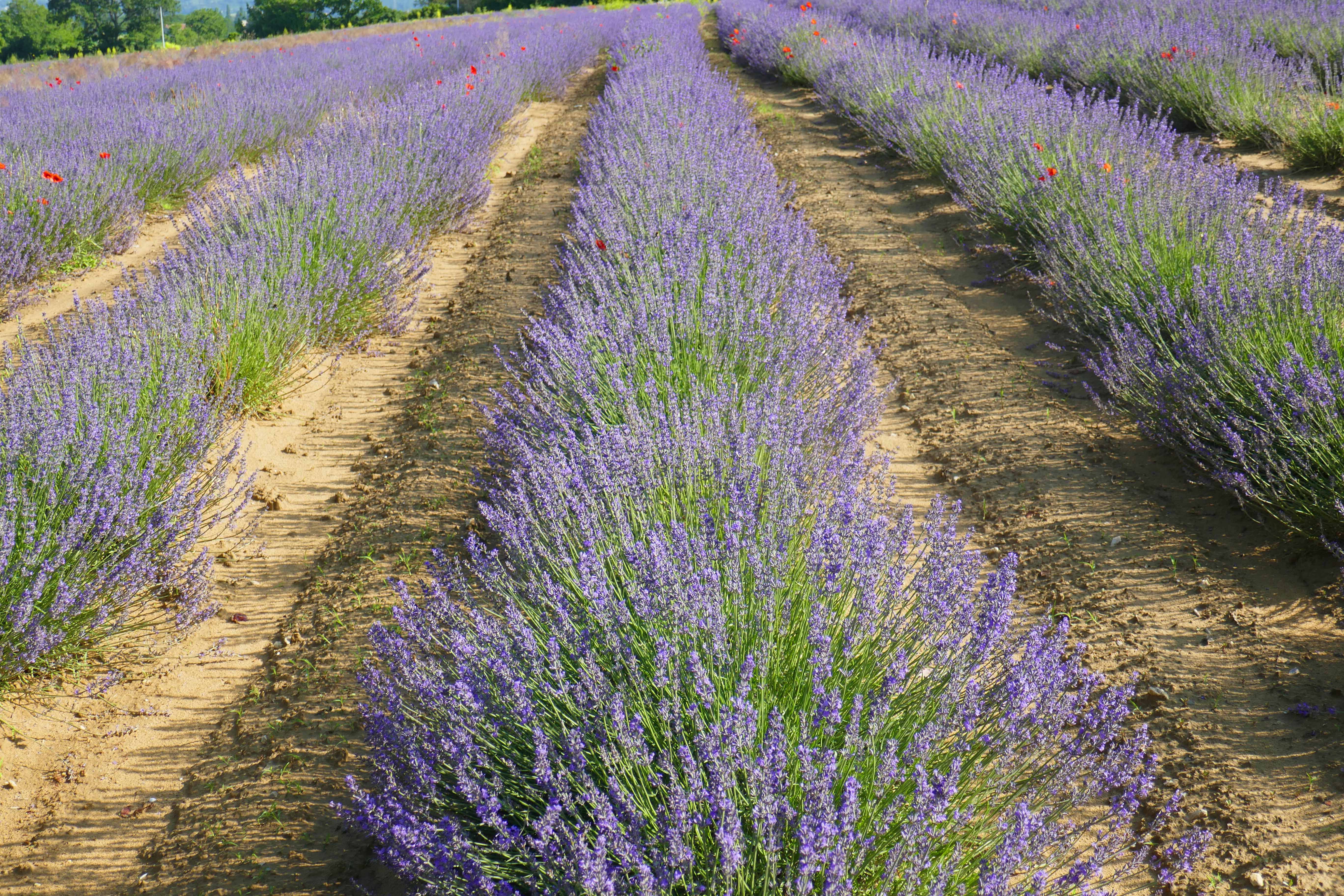
This stunning canyon offers different opportunities for walking. We began by following Las Gullurias trail, a 9 km walk through fragrant woodland of juniper, lavender and thyme and over limestone. The vegetation changed to thick pine trees as we approached the view point or mirador. With a precipitous drop we had a spectacular view over the canyon, our eyes dazzled by the caves, pinnacles and limestone in different colours. The calls of griffon vultures echoed around the canyon as they swept onto ledges to feed young. After lunch we walked down to the floor of the canyon and the Ermita San Bartolome, scrambling up to peer through a rocky ‘window’ in the limestone that gave a view further up the canyon.
From the campsite we walked to Ucero Castle, crossing the river and taking a narrow stony path that broadened out to a soft grassy route. Looking back we had expansive views of the limestone pinnacles and the canyon. The castle sits above Ucero and has multiple walls and a tower that is fairly intact.
On another day we walked beyond the Ermita towards Hontaria del Pinar. This part of the canyon is more lush, the crags are less dramatic but the canyon here is quieter and it has a beauty of its own. The narrow rocky path follows the river, sometimes over stepping stones and occasionally there were pool covered in water lilies. We watched large flocks of crag martins, with some house martins, high on the cliffs and as the air warmed griffon vultures appeared.
We stayed at Camping Carion del Rio Lobos, Ucero – Lots of shade under the trees, clean facilities
Monfrague National Park, Extremadura, western Spain
Monfrague National Park is rightly celebrated for bird watching and we certainly saw plenty of birds during our trips to this park. We also enjoyed a number of walks in the national park. The information centre and parking is in Vilareal de San Carlos and you can pick up a map in English here. We drove to the viewpoint at Salto del Gitano to see the vultures circling around the impressive limestone crag and walked up to the Ermita and Castillo de Monfrague, an excellent viewpoint over the river and the national park.
We enjoyed two hikes, the 7.5 km green route and the 9 km yellow route. Both started at Villarreal de San Carlos. The circular green route took us to the top of Cerro Gimio and was a lovely way-marked trail. The narrow path contoured the rounded hills and traversed the hillside, winding up and down through trees. The craggy top of Cerro Gimio was a great viewpoint over the rio Tajo and we perched on the serrated ridge enjoying an airy lunch stop. On the return section the trail took us along wooden walkways hanging over a gorge and through a shady canyon where we paddled to cool our hot feet.
The yellow [amarillo in Spanish] route was a contrasting walk. We saw lots of deer on this route that had less shade as we hiked mostly through low-growing shrubs. The path traverses the hillside above the river Tietar. At Fuente Los Tres Caños, a shady picnic spot, there was a welcome cool spring. Around La Tajadilla there are plenty of opportunities to see griffon vultures and black vultures.
We stayed at Camping Parque National Monfrague Malpartida de Plasencia – A large site a short drive from the national park. The pitches have some shade and the facilities are good.
Caceres and Los Barruecos Monumento Natural, Extremadura, western Spain
Caceres is a popular city packed with sights and we enjoyed exploring it for a day. Starting with coffee in one of the many cafes in either the sunny Plaza de San Juan or the elegant Plaza Mayor is a great way to begin your day and people watch for a while. The Ciudad Monumental, the old walled city, is a traffic-free maze of narrow streets that are a pleasure to walk through. Entered through impressive sandstone gates, inside are ornate buildings and winding lanes that offer new vistas at every corner.
About 20 km west of our campsite in Caceres is Los Barruecos Monumento Natural, a spectacular landscape of granite boulders that have eroded into weird shapes. We parked our campervan and before exploring the granite boulders we visited the old wool washing station that is now a museum displaying the works of Wolf Vostell, a Spanish-German post-war artist who had strong connections with the area. Here the installations ranged from a ‘class room’ of old TVs and other pieces that use cars, motorbikes, TVs and concrete to make a statement about the 1980s and 1990, all housed in beautiful old barns built for the 18th and 19th century wool washing complex. Outside there is an extraordinary sculpture of cars in a totem pole arrangement with bits of aeroplane and adorned with a storks nest.
We followed the 7 km long green route around the two reservoirs, a walk that offers little shade on a hot day. A kingfisher flew over the reservoir, we saw lapwings, little egrets and a heron, we were followed around by crested larks and spotted one hoopoe. Near the cafe we watched azure winged magpies. Many of the granite boulders have been given names and we searched out interesting shapes in the rocks. Under a blue sky, the reflections in the still water of the reservoirs were stunning and we felt like we had been transported to a Pink Floyd album cover.
We stayed at Camping Cuidad de Caceres – Terraced site that is popular & large, each pitch with bathroom, some road noise.
Hecho, Aragon, Spanish Pyrenees
The Ordesa Valley is spectacular and justly popular and is a favourite place to visit for us but the nearby Hecho valley is a quieter and also worth a visit for some hiking.
Hecho is a pretty stone-built village with a maze of narrow streets, tightly packed houses with geraniums on the balconies and lots of cats to stop and fuss. There is no sense of a main street and cafes, shops and a small supermarket are dotted randomly around the village. From the village we walked on the GR15 to Collada Fuen d’a Cruz along a stony ravine busy with butterflies and crickets. Views to the rocky crags opened out and we could see the village of Siresa and its abbey below. We climbed steeply to the coll through pine trees on a well marked path with signs for distances and times.
On another day we cycled to Siresa, the next village, and onto Plan de Santana, where we left the bikes and took the old Roman road on the GR11 above Boca del Infierno. This was a surprisingly lovely wide path with open views, edged with colourful flowers and butterflies. It is a path to linger on and soak in the beauty of the landscape, the flowers and the wildlife. In the woodland we came to a ruined castle before descending to the river. Returning on the lane we had great views into the rocky chasm created by the river, the more adventurous can walk through the canyon. Back in Hecho we had a glass of local beer at a sunny cafe.
We stayed at Camping Valle de Hecho, Hecho – a terraced and slightly neglected site in trees, close to the village and good walking from the site.
Aínsa, Aragon, south of the Pyrennes
Aínsa is an exquisitely preserved small town with narrow cobbled streets, views to distant mountains and an interesting line in door furniture including knockers shaped like a penis and testicles.
The campsite gave us a booklet with numerous local walks and we followed one to San Vicente de la Labuerda. The booklet led us to expect an easy two-hour stroll but as the day wore on we realised the time was for one way only. The undulating tracks were mostly through fragrant pine trees, often alongside steep sided gorges and we spotted red squirrels in the trees. We were almost giving up when we had a distant view of a chapel and the views opened out on the final section to San Vicente de la Labuerda, a 12th century abbey. As we sat in the shade of the abbey’s gate having our lunch we watched a lammergeier flying low over a deep gorge, soaring and casually twitching wing feathers to change direction. We decided to return via Labuerda, picking up the path along the wide and beautiful river Cinca.
We drove a short distance for the short but dramatic trail along the Entremon Gorge, another walk in the campsite booklet. The narrow and in places airy path has a precipitous drop in to the flooded gorge below. In most cases there was a wire hand rail to help but not always.
We stayed at Camping Pena Montanesa, Ainsa – Large site with open views to mountains, information about walks, 2 km from Aínsa.
The Ojos Negros Cycle Route, Valencia
We enjoyed a mixture of cycling and walking around Navajas. Anyone visiting here will want to walk to the steep-sided gorge for the waterfalls and fountains at the Salto de la Novia near the town. We visited after a heavy rain storm and the river was muddy brown and the waterfalls spectacular. We followed the goats, clambering over the opposite hillside to the falls for the view. We also explored the wooded hill on the edge of the town around the Ermita de la Esperanza and found the 11th century Torre Arabe.
The Ojos Negros is 67 km of cycle route inland from Valencia and could be accessed directly from our campsite. The cycle route climbs steadily uphill and has a good surface of either tarmac or gravel. We cycled to Jerica and to Caudiel, a total of 15 km one-way. In Jerica we walked through pretty narrow streets to the Torre Mudejar, an unusual tower with Islamic origins; crag martins flew around the curious walled tower. Caudiel is a hilltop town and climbing up to the church and square we were delighted to find a brass band playing and dancing to celebrate a saints day. After watching the spectacle we set off back, resting to enjoy the view over the Pantano del Regaja reservoir on the way.
We stayed at Camping Altomira, Navajas near Segorbe – A terraced campsite by a small village with views from higher levels and an excellent restaurant.





 Back on the road again