Is owning a campervan as carefree as we all make out? Does life really begin on the edge of your comfort zone?


09.21.2018 bilbao small
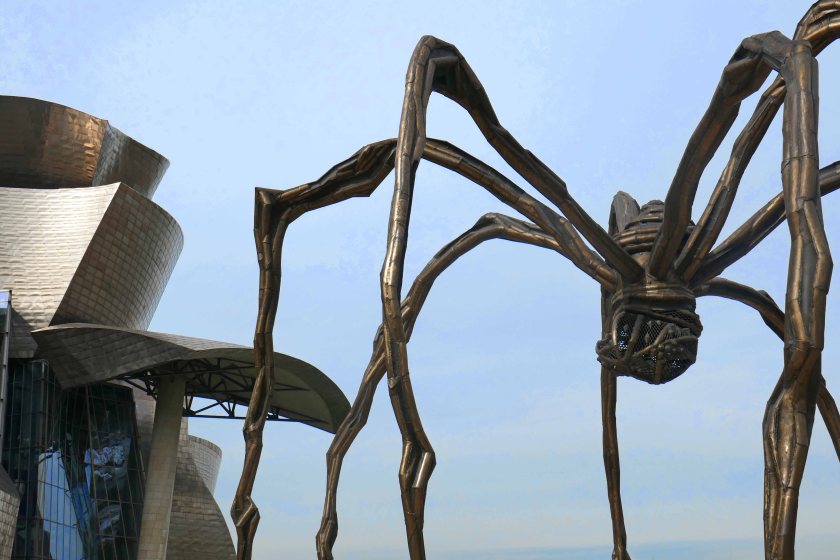
The spider looms next to the Guggenheim in Bilbao

You don’t speak the language and your much loved campervan is unhappy and slightly broken … a nightmare or just another day in a campervan travellers life?  Putting my trust in people and a system I don’t understand has happened to me so often I am starting to expect it but never find it easy; this is way out of my comfort zone.  People say, ‘Life begins at the edge of your comfort zone.’  It seems to me this is where my adventurous spirit could shrivel and die, even when everything turns out fine in the end.

I am as guilty as anyone of writing about our campervan trips as carefree and relaxed but, as canny readers will know, this is only part of the truth.  I always say I love the campervan life because we have the freedom to choose where we will be, if we don’t like somewhere we move on and we take our home with you, no strange beds, just a different view every morning.  I am not lying when I tell you this and when things are going well it is truly an idyllic life.

But there are anxieties and I do share them on the blog.  The Greek Tragedy shook my confidence massively and demonstrated so clearly how quickly a relaxed and enjoyable trip can abruptly end.  My obsession with checking we are in gear when we are parked even on the flat has not gone away and can be irritating for Mr BOTRA.  If I don’t check and double-check I am unsettled and return to the ‘van expecting it to have once again rolled in to a wall or worse.

You probably all know those signs of anxiety; I get that sense of dread, the sickness low in the bottom of my stomach, feeling on edge, irritable with the people I love and unable to concentrate.  This is the worried me and no amount of deep breathing will quell the anxiety when I think a crisis is around the corner.  But I do relax while we are away and it is while I am travelling in that carefree manner I enjoy that I am hit the hardest when something goes wrong.  Picture the scene … The sun feels warm on my arms, I am smiling and unaware that a problem is on the horizon, then wham!  From left field something we hadn’t even thought of happens to our campervan and everything changes.

With modern ‘vans it seems there are so many things that can go wrong, more than I could list or dream of.  In September we had only driven 30 km from the port in Bilbao in Spain and our Blue Bus started beeping and flashing red lights in alarm.  The power steering had failed!  Who knew this could happen!  Fortunately we were in a car park, rather than on an autovia and after Mr BOTRA wrestled the 3.5 tonnes of our van into a safe and shady place we rang our breakdown.  Once again we were trying to deal with a complex technical problem on our campervan in a foreign language, with a phrase book that was written before power steering was invented!  We had little idea what was going on and were totally in the hands of the garage.  Déjà vu!  This has happened now in Greece and in Italy as well as Spain, never in France or Germany where our grasp of the language is so much better!

Although we deal with the phone calls, the breakdown lorry driver, the rearranging of our plans, each of these incidents doesn’t make me grow in confidence, each one gradually chips away at my courage and my certainty of the freedom of the road.  I can no longer fool myself that all will be well.  For weeks after an incident the sense of dread about what will happen next invades my brain regularly.  What will be the next problem to come along, slap me across the face and say, ‘You didn’t see that one coming did you?’

Given all this anxiety, the temptation might be to only travel in the UK but I’m not a quitter and certainly not quite ready to give up my passport just yet.  The benefits of continuing on the edge of my comfort zone are visiting exciting and beautiful places.  I work hard at keeping those dark worries in check by planning and preparing for [almost] everything and paying for the best insurance money can buy.  Fingers crossed 2019 will bring some incident free trips!


Arran: My first encounter with this lovely island

P1120252
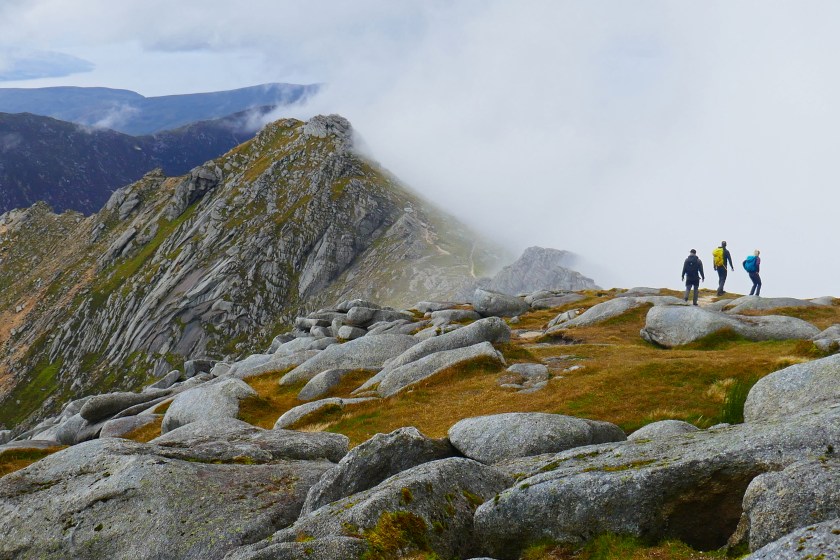
The dramatic landscape of Goat Fell on Arran

The internet suggests there are up to 5,000 islands around Great Britain, although the exact number seems to be hard to be sure of and there are certainly plenty of these I have never heard of, let alone visited.  Another source gave a figure of 82 islands that measure more than 5 sq km.  This is still a higher number than I might have guessed at and one that made me ashamed of how few of our islands I have taken the trouble to get to.  It was time to visit an island and an autumn trip to Arran, off the south-west coast of Scotland was planned.

Goodness knows why I have never been before as we found so much that delighted us on Arran.  The craggy mountains around Goat Fell are perfect walking country; Glen Sannox is simply stunning; the stone circles at Machrie Moor are impressive and fascinating; the coastline near Blackwaterfoot  and the walk through boulders to the basalt cliffs of The Doon is stunning and the sheltered bay at Lochranza is picture perfect.  I loved pretty much everything about the island.

Thanks to the Road Equivalent Tariff (RET) on Scottish ferries, getting to Arran is now more affordable and it was just over £45 return for our 5.4 metre long campervan.  We needed to have a frugal holiday due to our expensive year but also like to support campsites and so we stayed on three of the islands campsites [see below] and did a few nights wild camping too.  Wild camping is popular on Arran and some places can get busy at weekends as Arran is a perfect place to visit in a campervan.

We didn’t visit any tea shops, although I am told they are excellent, but we did support the Arran economy and bought excellent local cheese in the cheese shop, local beer at the brewery, good local oatcakes and delicious local bread in the Blackwaterfoot Bakery.  These all went very well together and didn’t last long.

Arran was a great start to my plan to visit more of the islands around Great Britain.  The big question is where to go to next?

Campsites we used on Arran

Lochranza Campsite – a beautifully situated site that is well kept.  The site is grassy with some hard-standing pitches if it is wet and there are open views.

Seal Shore Camping  – this site at Kildonan has lovely views out to sea and clean facilities.  The site is sloping but while we were there they were building some more level pitches.  The site is next door to a bar.

Middleton’s Caravan and Camping Park – This level grassy site at Lamlash is handy for the shops, places to eat and shoreline in Lamlash.  The facilities are clean and it has good hot showers.


Go the extra mile it is never crowded

P1070396.JPG
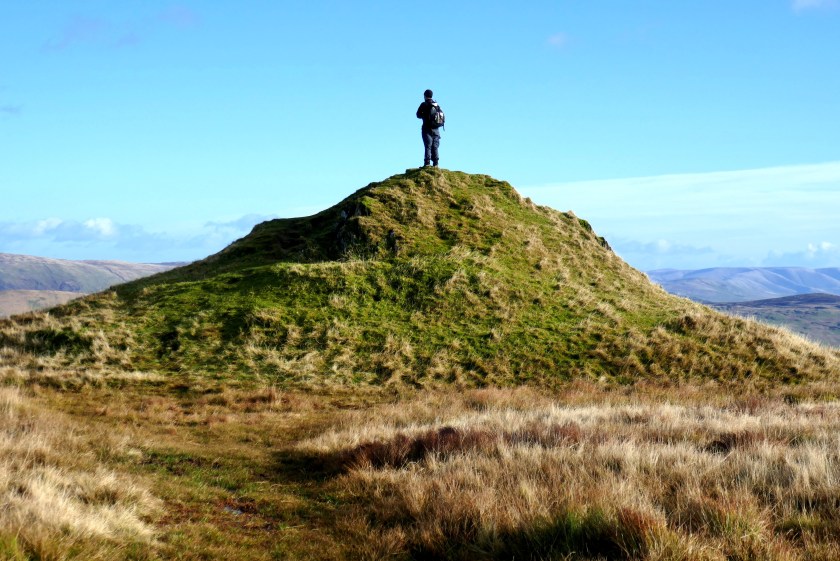
A quiet corner of the Lake District

You might laugh [please do] but when I came across this saying recently my literal mind skipped it’s metaphorical intention and took its meaning to the letter [I often do this].  My thoughts wandered to when we have walked an extra mile or so on a beach or in the hills or cycled just that bit further and felt smug as we left the crowds behind.  The saying is spot on; going that extra mile often takes us to a quiet corner and to somewhere special that we can embrace as our own for a short time.  By just taking a bit more effort I can enjoy an undisturbed experience of a location with the space and tranquillity to really see, smell and feel the place.

The quote attributed to Wayne Dyer, author and self-development guru, is, ‘It’s never crowded along the extra mile.’  After thinking about all those idyllic places we have found it eventually dawned on me that this quote isn’t to be read literally and instead encourages everyone to believe that by putting in the extra effort you can reach the top.  My mind turned to those times when I have gone the extra mile on a task.  Doing just the minimum required can be an easy option and I have times when I need to cruise through jobs because my mind is preoccupied with other stuff.  But I feel much better about myself when I put the extra effort in and give my absolute best.  And yet, the number of people who will reach the heights of the elite in any field is limited [or never crowded] and unfortunately not everyone can be outstanding otherwise outstanding becomes the average.  For myself, I don’t expect to be award winning, I go the extra mile to compete against myself, stretching my performance and improving my skills.

I consider myself a slow writer; certainly each time I write a travel article or blog post I spend hours rigorously writing, editing and re-editing.  I do this for two reasons; I am certainly terrified of the shame of making a mistake that makes it in to print [although they do and I have to deal with it] but I also want to produce work I can feel proud of.  I constantly review, learn new techniques and apply these and I feel that my writing has improved over the years.  I don’t go the extra mile for promotion or a higher salary, my editor is not pushing me to write differently, I am self-motivated to do better and throwing together a piece of writing with the minimum effort has never been an option.  By going the extra mile I might not reach the top but I do maintain my self-respect.


Wing mirror jousting!

09.23.2018 Visit to Artajona (9)
The Blue Bus parked at Artajona in northern Spain – a perfect place for jousting!

The mishap came as a bit of a surprise.  The road from Torla to Aínsa in Aragon is a secondary road but a good one and we were pottering along in the sunshine, enjoying the views over the Rio Ara and of the villages perched on hilltops.  The road has a white line down the centre but the carriageways are on the narrow side and the light traffic was driving considerately giving enough space to oncoming traffic.

Coming towards us were two massive white motorhomes in convoy.  The leading motorhome was taking up more than his fair share of the road and we moved over to the edge of the road to ensure everyone could pass by safely.  We assumed the big guy would do the same but it seemed he too had been watching Game of Thrones and fancied a bit of wing mirror jousting with our Blue Bus.  Bang!  We both cursed him as our passenger side wing mirror was slammed inwards and the glass broke.

We know this isn’t a tragedy, it is really just one of those things that will happen to lots of people in campervans.  Those big wing mirrors are a perfect target after all and this is the first time we have broken a wing mirror in our 13 years of having a ‘van.  The idiot in the motorhome didn’t stop – to be honest there wasn’t really anywhere safe to stop – and we limped along for a couple of kilometres until we found a lay-by to pull in to.  Shaken we gave each other a hug and investigated the damage.  The glass of the main mirror was shattered but fortunately the small blind spot mirror at the bottom was still intact.  The mirror no longer responded to being moved.  Our only consolation was that the big white motorhome would most likely have the same damage to his wing mirror and we hoped his replacement mirror was even more expensive than ours.

Our Renault has no internal central mirror, so the wing mirrors are essential.  We had a go at fixing a shaving mirror we carry in to the housing of the wing mirror to help the driver see behind but we couldn’t get this to work.  We have since found that you can buy temporary ‘mirrors’ and may invest in one or two of these.  After some thought and consideration we felt it was safe to drive using just the blind spot mirror for the remaining 25 kms to Aínsa.  Although this mirror is small it functioned pretty well.

A call to our breakdown sorted out a garage that was expecting us and the mechanics there spent some time ensuring they were ordering the correct mirror for our Renault.  The next day it took them 15 minutes to fit the new wing mirror and it cost us around £200!  An expensive jousting session.

2018 Oct Carol Kubicki wing mirror (1)
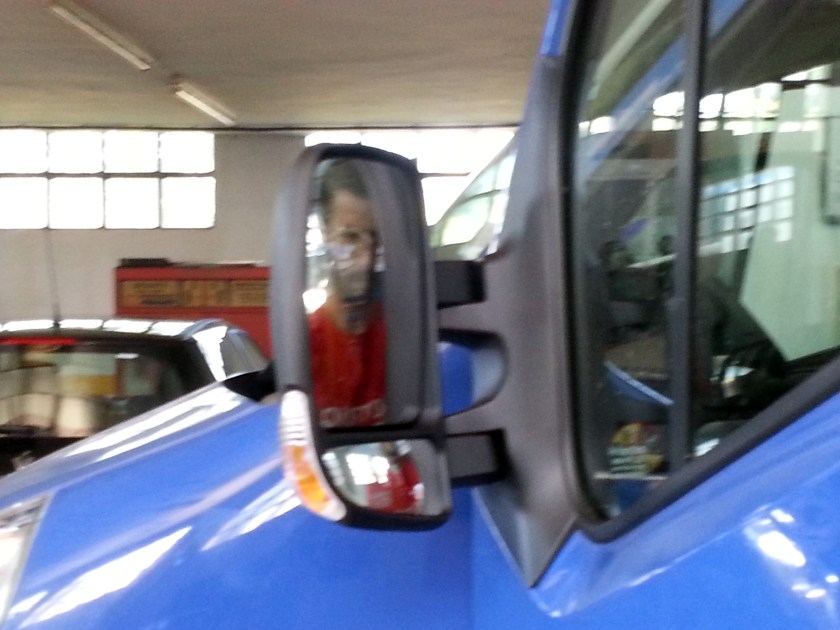
Fixing the mirror in the garage

Sedan: Add it to your wish list

Sedan (3)
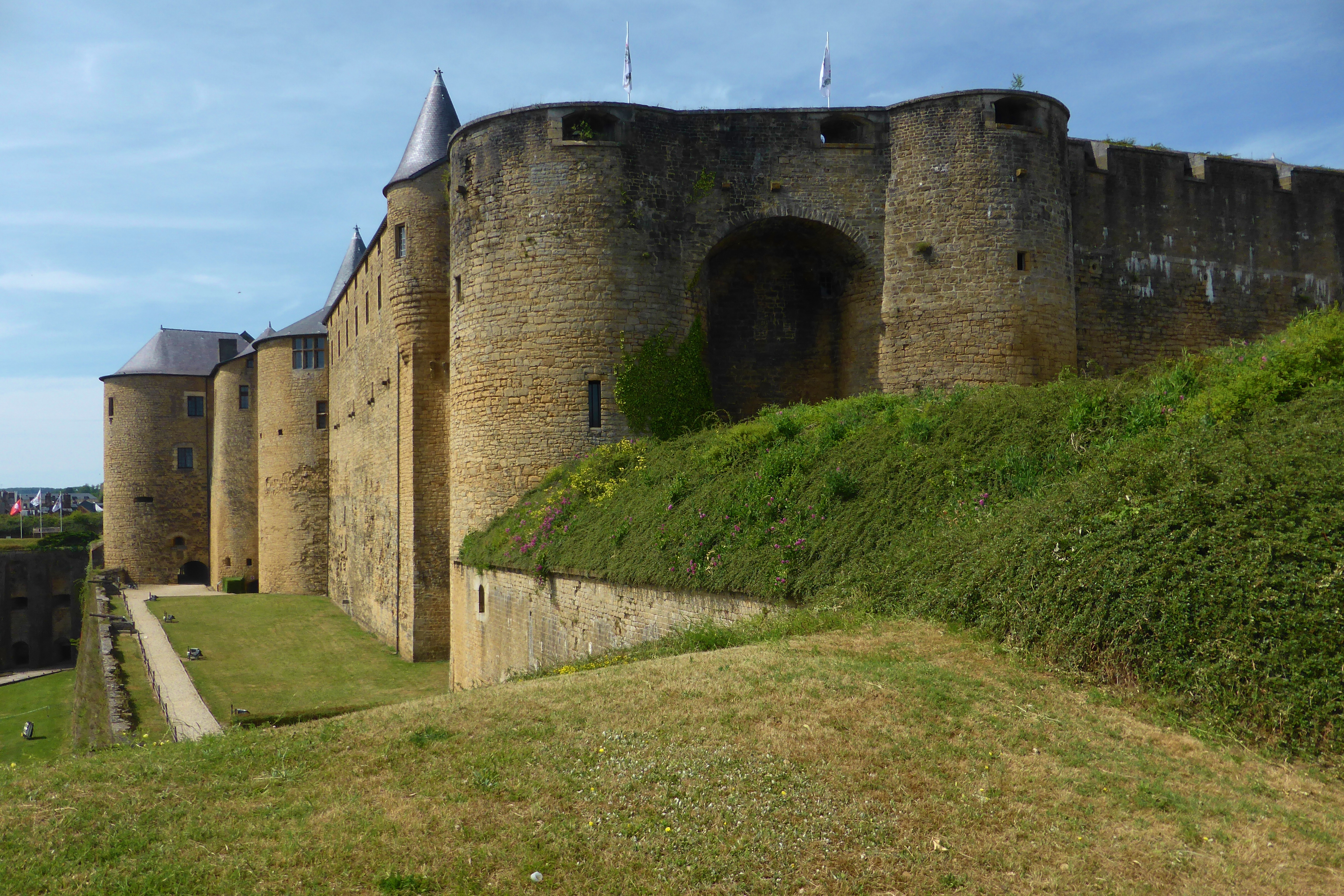
The massive fortification in Sedan

For anyone with a campervan, motorhome or a caravan there are two good reasons for visiting Sedan in northern France.  Firstly for around €9 a night you can stay at the municipal campsite.  This municipal site is easy to find and is pleasantly placed by the river Meuse, with moorings for boats alongside the site and an open aspect that helps it feel more rural than urban.  We were greeted warmly by the member of staff who gave us a map of the town and told us enthusiastically about the castle and told us we could pitch where we liked on the grassy site.  The ground is a little uneven but nothing the levelling blocks couldn’t deal with.  The sanitary facilities were not the most up-to-date but were clean and the showers were good and hot and we don’t need much more than that and you can’t expect much more for the price.

Sedan is handily placed for us to reach our ferry at Zeebrugge but we arrived with enough time to visit the second reason to visit Sedan.  It has what is claimed to be the largest medieval fortified castle in Europe.

It is about a 15 minutes’ walk to the castle from the campsite and it is as magnificent and immense as you could hope, with an impressive curtain wall around the castle and courtyard and lovely views over the town from the corner bastions and the ramparts.  We explored the dark corners, alleys and stairwells that were designed to confuse the enemy and from the information boards learnt how the castle had grown over time.  I was particularly fascinated by the view into the interior of a round tower that had been enlarged over the years and seeing the interactive scale model of the castle in 1870 during the Franco-Prussian First Battle of Sedan.  The Second Battle of Sedan was in May 1940 during the German invasion of France.

After exploring the castle, we strolled around the town that has a history of cloth-making; some think that upholstery from Sedan gave the Sedan chair its name.  We found narrow streets and charming shops, lovely botanical gardens and bridges over the river Meuse.  Sedan also has an open and covered market on Wednesday and Saturday mornings.


Finding beauty and tragedy in the Dolomites in Italy

05.27.2018 Celina and Vajont valleys (10).JPG
The village of Casso sits high on the slopes of the valley

Northern Italy is pretty much all jaw-dropping beautiful.  We had been driving through green alpine valleys, stopping often to stand and look in awe at the craggy mountains above and the ice-blue river we were following.   Leaving the stunning River Cellina valley we followed the Torrente Cimoliana to the pretty village of Cimolais, all the time making a note to come this way again.  We drove over the Passo di Sant’Osvaldo coming down to the village of Erto.  Ahead I could see a scoured hillside, devoid of trees or vegetation, this certainly looked out of place.  We stopped the ‘van to take it in, at first wondering if this was a quarry but quickly realising the mountainside was too steep for such activity.  The scale of the ‘M-shaped’ scar on the hillside was hard to take in but we realised we were looking at a landslide.  What we didn’t realise at that moment was how devastating the landslide had been.  We had stumbled upon the Vajont Dam and the legacy of the disaster that occurred here on the night of 9 October 1963.

The Vajont Dam, a 265-meter high arch dam was in 1963 considered an amazing construction that created a large reservoir in the mountain valley.  The dam was well built and still stands as it withstood the unprecedented destructive power of that night.  On the 9 October 1963 a huge slice of the mountain slid in to the reservoir behind the dam.  Around 260 million cubic metres of rock hit the water and this created a massive wave that breached the Vajont Dam, the displaced water rising high and pouring with unimaginable force in to the Piave valley below, gaining speed all the while.

We stopped below the Alpine village of Casso that clings to the mountainside.  From here we could see the scar on the flank of Monte Toc and look down on the Vajont Dam that stands as a memorial to the thousands who lost their life.  We walked below Monte Toc trying to take in the scale of this avoidable disaster.  As the dam was planned and built many people warned about the geological instability of the area and the risk from the dam but corrupt and powerful institutions failed to listen.

We drove down the mountainside to the town of Longarone.  This lovely town is below the dam and in 1963 it was flattened by the tsunami of water that poured over the dam.  In the moving museum in the basement of the modern church there are photographs showing the aftermath and the names of people who died.  It is estimated that around 2,000 people were killed that night and I thought about all those lives cut short.

Although I left feeling somber, I was glad we had stopped to learn about this disaster that has left its mark on this beautiful landscape.

For photographs of the reservoir and the destruction of the landslide take a look here.  Today the Parco Naturale Dolomiti Friulane has been created to bring tourism back to this incredible and beautiful area.

05.27.2018 Celina and Vajont valleys (13)
In the museum in Longarone


La Villes-aux-Dames and Tours

06.19.2018 Tours (12)
La Ville-aux-Dames mural on one of the schools

In 1974 the good people of La Ville-aux-Dames near to the city of Tours in France decided [very appropriately] to give only women’s names to their streets and roads.  I loved finding La Ville-aux-Dames [the town of women] but didn’t expect the town to have taken the female theme to such amazing heights.  Even on the lovely campsite, Les Acacias in La Ville-aux-Dames all the chalets are named after women; you can stay in Edith Piaf, Maria Callas and others.  Taking a stroll around the local area I found not only are the roads named after women, the local schools are too; as well as Avenue Jeanne d’Arc, Square Mary Queen of Scots and Rue Colette I found École élémentaire Marie Curie.  Some names were less well known to me and had me checking them out; Gabrielle d’Estrées advised Henry IV and had three children by him and I learnt that Anna de Noailles wrote three novels and poetry.

The mural in the photograph above is on one of the local schools and has images of nine French women;  Marie Curie, George Sands, Colette, Lucie Aubrac [history teacher and resistance member] and Berthe Monsit [impressionist painter] and others.  I was delighted to think that all the children who attend this school will know who these women are and what they achieved, adding a bit of balance to the male-dominated history my own schooling involved.  Just walking around the streets was an education.

The name is testimony to the abbey for nuns that was here and it is said the name La Ville-aux-Dames comes from the old name for the area, Villa Dominarum, the Latin for ladies town.  Surrounded by excellent agricultural land the local people produced milk for Tours and the inhabitants became known as ‘Caillons’ after their curd cheese.  In November La Ville-aux-Dames’ Marche des Caillons, a sponsored walk, attracts over 400 people.  Today the inhabitants of La Ville-aux-Dames call themselves Gynepolitains from the Greek words for women and town.

The campsite proved to be fantastic for visiting the lovely city of Tours.  On the confluence of the Rivers Loire and Cher we had no expectations of this city and so its beauty and charm was a surprise.  We cycled the seven kilometres in to Tours along the Loire cycle route and chaining up the bikes pottered around fairly aimlessly.  We knew of no ‘must see’ sight so we were free to just wander and admire with no pressure.

Starting at the cathedral we had coffee and cake in a lovely cafe and then followed lively streets to the old city.  Here there are pretty squares surrounded by 15th century timber-framed houses with amazing narrow extensions on the back for staircases; these looked very Disney-esque and heath robinson.

In the big market hall we explored the lovely stalls and bought fresh vegetables and local cheese and yogurt for our evening meal.  We ate at a cheap and cheerful burger and kebab cafe in a lively square and finished up with sweet peppermint tea.  Walking back to our bikes by the River Loire I fell in love with the elegant fountain [below] in the Place Anatole in front of the library.

06.19.2018 Tours (8)
Beautiful and vibrant Tours

Life in the day of a travel writer

06.22.2018 Batz sur Mer and Le Croisic (4).JPG
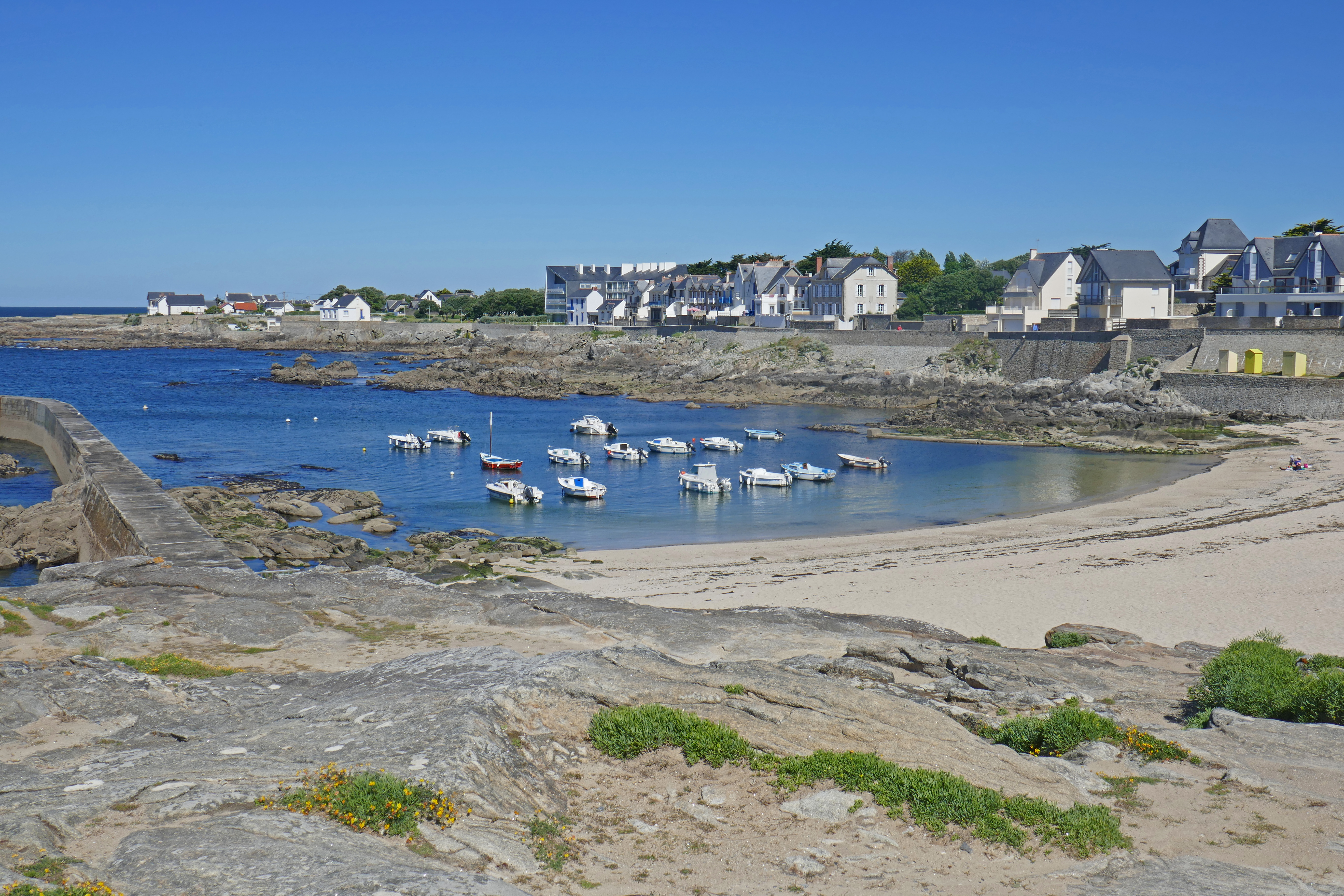
The beautiful bay at Batz sur Mer


Is being a travel writer non-stop glamour, always in business class on the plane and being wined and dined at the launch of a new hotel?  Well it isn’t like that for this campervan travel writer and I wouldn’t have it any other way.  I only write about my travels because I enjoy sharing the wonderful places I have visited and want to inspire others.  Each trip I make is a real trip that we have paid for ourselves and are trips that anyone with a ‘van could make.  I am not interested in writing about luxury tours that I wouldn’t make if someone else wasn’t paying.  I guess if you are a travel writer or editor invited on to press trips for the PR then your days might be glamour-packed but for the travel writer without a commission this is a long way from reality.  First and foremost the trips we follow in our campervan are our holidays, the payment I get for writing about it is a bonus that comes after the event.  Below might give you some idea about how much work it takes to create an article.

The work starts even before you pack a bag

Research – This can start months before we set off on a trip.  I read travel books and articles, watch TV programmes and follow other travel bloggers and sometimes a story or a place grabs me and sparks off an idea for a trip that I will run with.  Sitting at my laptop I research exciting places to visit in an area, stories that might interest readers, campsites and walking or cycling routes.  I will also look at ideas for the best photographs of the area.  This is generally internet research but I also read guide books and walking guides to learn from other people’s travels and find out about places we might enjoy visiting.

The weather – As I said these are real holidays and trips and so we get all sorts of weather but travel magazines want to see blue sky and sunshine.  In the days leading up to a trip or THE important venue during the trip I check the weather forecast obsessively – a dull day means I have to be more creative with my photography and rain plays havoc with photographs and my camera.  Magazines require good quality and colourful photographs that will inspire readers and my writing is nothing without good photographs to illustrate the words.

We arrive

Being there – This is the holiday, the easy [thanks to the planning] and certainly the most enjoyable part.  We are there and visiting the place of interest or following the walk I have planned.  At this point I am truly on holiday, as with no commission in my pocket I have no idea if an editor will buy my story.  I am in the moment and appreciating and absorbing the colours, smells and feel of a place while also taking hundreds of photographs and cursing street furniture, signs and other visitors that get in the way.  Of course I am still a writer and so I am always on the look [or listen] out for that extra something that will help make a place come alive for readers.

That evening

Sifting the photographs – I try and sort through my photographs while the day is still fresh in my head, deciding which are worth working on and which didn’t come out as I hoped.  I am a writer not a photographer and make no claim of expertise in this area.  By going through the photographs immediately I can check their quality and if they are all a disaster we might have chance to go back for a second try.

Edit the best of the photographs – Using Photoshop I try and do this on the same day, otherwise I end up with a backlog of hundreds of photographs to edit.  This can take hours!  Sometimes Mr BOTRA reads to me while I edit 🙂

Writing up notes about the things I have seen – I am a bit old fashioned here and always write my notes in long-hand in a journal at first, the pen and paper experience seems to help me to think.  I will type up these notes either that day or later and use these notes as a framework for a story.  I note down smells and sounds, as well as what we have seen and snippets of conversations that I liked, all this helps to bring the place back to me once I start writing.  I also need to keep notes of the cost of campsites and entrance fees as these are often required by magazines.

Back-up photographs and notes – I am terrified of the photographs I have worked so hard to get going missing and so I am a bit obsessive about backing up.  Photographs are left on the SD card and as well as the laptop are copied to a pen drive and a hard drive, just in case the camera and / or the laptop goes missing or gives up the ghost.

File away useful leaflets and information – I also keep leaflets from venues and for walks so that back home I can check the correct name and spelling and maybe opening times, rather than just rely on the internet.

More backing up – If wifi is available I will upload the best photographs to the web as well as the obsessive back-up procedure.  Sometimes campsite wifi can be very slow.

Back at home

The writing and editing and writing and editing …. I don’t normally start writing my articles until I am home, although ideas will have been meandering around my brain during the trip and added to my notes.  This is not a nine-to-five job for me and so I have the luxury to be able to be a slow writer and generally spend around two weeks on a 2,000 word article, constantly checking facts, seeking the right words to describe a place and adding the reference information.

Choosing photographs – From the hundreds of photographs I have taken this gradually has to be whittled down to the 30 photographs that I think would look best in a glossy magazine.  This can be a painful as well as a time consuming process.

If you still want to have a go at being a travel writer I can highly recommend it and there is some useful guidance here.

In contrast

At the end of our trip around Croatia, Italy and France we had a few day in Brittany that won’t appear in any of my travel articles.  We were meeting friends and socialising in the the lovely resorts of Batz-sur-Mer and Le Croisic and later in the pretty inland town of Corlay in Brittany.  It was these few rest days that inspired me to write about the work involved in being a travel writer, as the down time I had made me realise how much free time I have when I’m not doing all of the above!


Two months campervan trip to Croatia, Italy & France: what did it cost?

05.05.2018 Krka National Park (1).JPG
Krka National Park in Croatia

On our long foray to the European mainland we spent just over two months from April to June travelling around Europe in our campervan.  I always monitor the spending of our trips.  Sp how did the spending go?  For various reasons this trip was certainly more expensive than our autumn trip to Spain and Portugal.  Here is the breakdown in sterling:

  • Diesel – £610 (Croatia is quite a long way and we travelled over 4,200 miles)
  • Supermarket shopping – £956 (we did stock up on wine)
  • Cafes, restaurants & ice-creams – £467
  • Campsites – £983 (for 64 nights)
  • Tolls, bus & train fares & parking – £218
  • Entrance fees – £279 (including about £100 for the Krka National Park excursion)
  • Miscellaneous – £115 [maps, campsite washing machines, occasional wifi & bits of kit]
  • Ferry [return Hull to Zeebrugge] – £489
  • TOTAL – £4,117 – average [without the ferry] £55 / day [this is £11 a day more than our autumn trip to Spain and Portugal]

We had travelled a long way to Croatia and to some extent this affected our spending.  We paid almost €110 for the two of us an excursion in a minibus around Krka National Park.  This tour [organised through Camp Marina] meant that we saw more than we would have and for us it was well worth it.  We used some toll motorways in Croatia and bought vignettes for Austria and Slovenia.

Not surprisingly the cheapest country we stayed in was France with some nights of free camping and plenty of ACSI sites that are reasonably priced.  Campsites are notoriously expensive in Italy but we stayed on some very good sostas to keep our costs down.

We had a fantastic trip and we both loved visiting Croatia but to stay within budget during our retirement a trip this costly isn’t something we can do every year.


Wherever you travel becomes a part of you

25 Aug Val grisenche walk with marmots 021
The beautiful Valgrisenche in the Gran Paradiso National Park in Italy

is it just me or do places you have visited and loved suddenly pop in to your head at random times.  I can be doing anything, totally unrelated to travelling, and a memory of a place will slip in to my head and I am once again there in that place.  There are many places I have visited that stay with me and I am sure that all of them have shaped and changed me.  The photograph above is the beautiful and remote Valgrisenche in the Gran Paradiso National Park in northern Italy.  We stayed a week in Planaval, a small and stunningly beautiful village a little way up the valley in 2009.  Valgrisenche is missed by many tourists and we followed the quiet valley road to its end a number of times.  Passing the lake, there are a few farms dotted around the valley and more abandoned stone houses.  After having hot chocolate in the tiny cafe by the car park we would walk along the trail to the refuge and the high mountains of the Alps, glaciers appearing as you turn a corner.  There are marmots here and wild flowers, berries brighten up the autumn rowan trees.  This was September and in the week we were here there were days so hot all we wanted to do was bathe our feet in the cool streams, other days the cloud came down and the fresh smell of rain made it feel like Scotland; this place has a wild and remote beauty.

Planaval itself is easily by-passed as you have to turn off the valley road to even see the village.  We were there during a village celebration and we watched a promenade play around the narrow village streets that in the local dialect was mostly incomprehensible and we listened to melancholy music that echoed around the steep mountains.  From Planaval we walked up steep tracks to look down on the village, finding bubbling mountain streams to quench our thirst from in Alpine meadows.  A long snake slithered away on feeling the vibration from our walking poles.

The beauty of Valgrisenche is deep inside me and I am sure that even if I never return the sights, smells and sounds of this stunning place will never leave me.

28 August Planaval walk 003.JPG
Alpine meadow above Planaval in Valgrisenche