What did we spend during our 7 week campervan trip to Spain?

09.23.2018 Sierra de Urbassa walk (2)
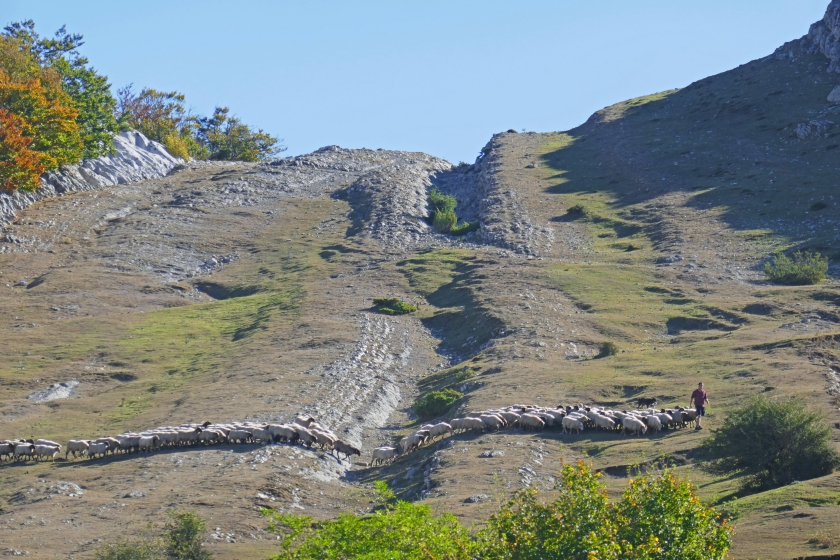
A shepherd in the lovely Sierra d’Urbasa

You might recall we’re trying to keep within a budget and that this year achieving this has proved to be tough going with our spending feeling somewhat out of control.  I was therefore keen to keep costs low on our fantastic autumn trip to Spain from September to November.  So how did this plan go and what did we spend?

Diesel – £390 (we avoided the temptation to visit all of Spain and travelled 2,430 miles)

Supermarket / food shopping – £536 (around £100 less than we would have spent at home and we returned with dozens of bottles of wine for the cellar!)

Cafes & meals out – £326 (Coffee in a cafe is inexpensive in Spain and we do this much more on holiday than at home but we ate out in the evening less and so spent almost £100 less than we would have spent at home so a small gold star to us)

Campsites – £708 (we had a few nights wild camping to keep costs down but could have done more)

Public transport – £51 (we stayed off the motorways with tolls in Spain and managed to spend a little less than we would if we’d stayed home)

Entrance fees – £98 (similar to when we are at home)

Miscellaneous – £80 (new sunglasses, maps, washing machines, occasional wi-fi)

Ferry Portsmouth to Bilbao – £895 (ouch!  A lot of money to suffer the high seas of the Bay of Biscay)

Fixing the power steering & a new wing mirror for our van – £377 [power steering electrical fault]

Total spent £3,461

I’m feeling reasonably pleased with this total.  It really is not that much more than we would have spent if we’d stayed at home so hasn’t had a massive impact on our budget.  The lesson is that there are really no excuses not to go away again!


23 Spanish campsites and aires

09.30.2018 Ordesa walk (19)
The stunning Ordesa Valley

We spent over two months in Spain this autumn and stayed mostly on campsites where we could use our ACSI discount card.  We had an occasional night staying on an aire.  These were all good and as we are trying to save money we could have done more.  Most campsites were a reasonable price but the one in Toledo was exceptionally expensive.  The list is below with my notes on how we found each spot.

Campsite name Comments Cost
Bakio Motorhome Parking near Bilbao Sloping parking area near the beach popular with surfers and peaceful enough, public toilets nearby £0.00
Camping Etxarri, Etxarri Aranatz, Navarra Hedged camping pitches & lots of bungalows & permanent caravans, some pitches very shaded, facilities reasonably clean, showers cramped & push button were only warm.  ACSI €19.00
Camping El Molino, Mendigorria Large organised site with some shade & some grass, clean facilities & powerful showers with adjustable temperature & hot, nice walk by river, ACSI €19.00
Camping Valle de Hecho, Hecho Terraced site with trees, near to village, scruffy year-round caravans, facilities clean, showers cramped but mostly hot, wash-up out of doors, no bread out of season €21.27
Aire, Jaca Tarmac car park with reasonable size bays near to the town, very popular, quiet by 23.00, bells & neighbouring buses noisy in the morning €0.00
Camping Ordesa, Torla Terraced site with fantastic views of mountains, facilities dated but roomy and good hot showers €21.20
Camping Rio Ara, Torla Terraced site, grassy with trees and tidy, steep access road, lovely modern facilities and good hot showers, adjustable & free flowing, supermarket & bar, good size pitches €22.60
Camping Pena Montanesa, Ainsa Large site with open views to mountains, information about walks, 2 kms from Ainsa, a lovely old town, facilities a bit scruffy but good hot showers & bread, ACSI & bottle of wine on leaving! (Ainsa has an excellent aire too) €19.00
Alquezar Camping, Alquezar Terraced sandy camping site with narrow access routes & trees for shade, small shop & cafe, some good facilities, near to lovely town & good walking, ACSI €17.00
Camping El Roble, Valderrobres Small gravel site by the road, pleasant & helpful owner, modern facilities, good hot showers, marked good-size pitches, cycle routes from site, ACSI €15.00
Camping Els Ports, Arnes Large site with marked pitches, 1 km from town on main road & some noise, facilities clean & okay ACSI €19.00
Celler El Masroig Flat parking by the wine producer with emptying point, quiet village, car park used by staff from around 07.30 €0.00
L’Orangeraie, Calig Nicely laid out small site with marked pitches, facilities clean & showers okay, friendly welcome & peaceful, ACSI €17.00
Los Pinos, Peñíscola Gravel marked sunny pitches with narrow access roads, 1.5 kms from the town, clean facilities, good hot showers & good value €12.00
Aire at Morella Pleasant gravel aire by picnic site with views to hilltop castle and town, popular €0.00
Camping Altomira, Navajas near Segorbe A terraced campsite by a small village, views from higher levels, English at reception, underfloor heating in toilets but facilities a bit dated & showers only warm, cycling nearby, ACSI €17.00
Camping Ciudad de Albarracin Terraced ACSI site with gravel pitches about 1.5 kms from old town, some in full sun, clean facilities & excellent hot continuous showers, great views & walking €17.00
Aranjuez Camping Large organised site about 1.5 kms from lovely town, English at reception, facilities dated but clean & good hot continuous showers & heated, supermarket, trains to Madrid, ACSI €19.00
Camping El Greco, Toledo Level site with marked pitches 3 km from the city, hourly bus service, 30 mins walk from town, clean facilities & good hot adjustable & continuous showers €27.90
Camping El Escorial, El Escorial Level ACSI site with lots of tree cover & some frames to give shade, scruffy, busy reception, no heating in toilets, showers hot, disco can be noisy €19.00
Camping Riaza, Riaza Level site with grassy & sunny pitches, some road noise but mountain views, near to pleasant town, facilities clean, showers continuous & very hot ACSI €19.00
Camping Fuentes Blancas, Burgos Level grassy site, some trees, 4 buses a day to Burgos, some road noise, shower block 3 is heated with good continuous hot shower, block 4 is unheated, wash-up is outdoor, ACSI €19.00
Port at Bilbao Flat tarmac area with toilets, cafe only open in the morning this time €0.00

Wing mirror jousting!

09.23.2018 Visit to Artajona (9)
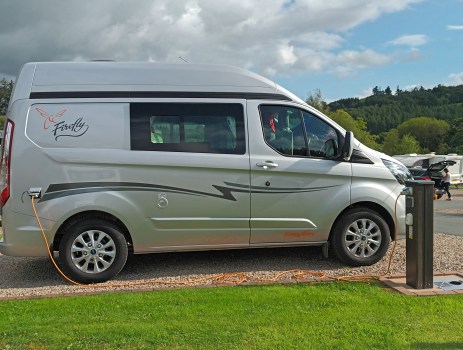
The Blue Bus parked at Artajona in northern Spain – a perfect place for jousting!

The mishap came as a bit of a surprise.  The road from Torla to Aínsa in Aragon is a secondary road but a good one and we were pottering along in the sunshine, enjoying the views over the Rio Ara and of the villages perched on hilltops.  The road has a white line down the centre but the carriageways are on the narrow side and the light traffic was driving considerately giving enough space to oncoming traffic.

Coming towards us were two massive white motorhomes in convoy.  The leading motorhome was taking up more than his fair share of the road and we moved over to the edge of the road to ensure everyone could pass by safely.  We assumed the big guy would do the same but it seemed he too had been watching Game of Thrones and fancied a bit of wing mirror jousting with our Blue Bus.  Bang!  We both cursed him as our passenger side wing mirror was slammed inwards and the glass broke.

We know this isn’t a tragedy, it is really just one of those things that will happen to lots of people in campervans.  Those big wing mirrors are a perfect target after all and this is the first time we have broken a wing mirror in our 13 years of having a ‘van.  The idiot in the motorhome didn’t stop – to be honest there wasn’t really anywhere safe to stop – and we limped along for a couple of kilometres until we found a lay-by to pull in to.  Shaken we gave each other a hug and investigated the damage.  The glass of the main mirror was shattered but fortunately the small blind spot mirror at the bottom was still intact.  The mirror no longer responded to being moved.  Our only consolation was that the big white motorhome would most likely have the same damage to his wing mirror and we hoped his replacement mirror was even more expensive than ours.

Our Renault has no internal central mirror, so the wing mirrors are essential.  We had a go at fixing a shaving mirror we carry in to the housing of the wing mirror to help the driver see behind but we couldn’t get this to work.  We have since found that you can buy temporary ‘mirrors’ and may invest in one or two of these.  After some thought and consideration we felt it was safe to drive using just the blind spot mirror for the remaining 25 kms to Aínsa.  Although this mirror is small it functioned pretty well.

A call to our breakdown sorted out a garage that was expecting us and the mechanics there spent some time ensuring they were ordering the correct mirror for our Renault.  The next day it took them 15 minutes to fit the new wing mirror and it cost us around £200!  An expensive jousting session.

2018 Oct Carol Kubicki wing mirror (1)
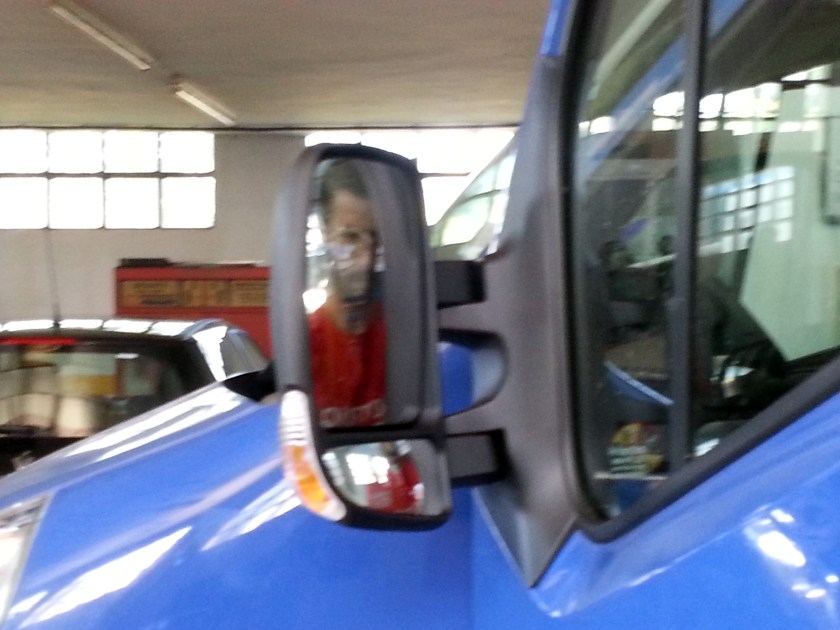
Fixing the mirror in the garage

Failing frugality: Year two of financial independence

05.28.2018 Lago di Corlo walk (2)
The pan is empty

It is now over 18 months since I finished the nine-to-five and 15 months since Mr BOTRA last had any paid work.  At the end of 2017 I was feeling pretty smug as our spending of £24,000 in our first year of retirement was well under budget – clever us I thought.  Now it feels as if all manner of expenses were just waiting in the wings for year two.  We are just over half way through our second year of spending our savings and we are on target to spend £3,000 more than last year.  You may recall £27,000 was our budget for each year. What has gone awry?

The campervan

Just over £1,000 of our additional spending in 2018 has been on the campervan.  Our Devon Tempest is now over three years old and with over 30,000 miles on the clock has needed some TLC this year; two new tyres [it will need two more before the end of the year], new brake pads all round as well as general servicing.  The conversion has also needed a bit of work as we had to have the water level sensor replaced.  There have been other odds and ends such as a new kettle and replacement levelling blocks too.  This year has been spend, spend, spend on the ‘van.

Holidays

Holidays remain our priority.  As well as the usual costs for ferries and campsites we have had a long weekend in Milan this year for a significant birthday [not the cheapest city to visit and our trip cost just under £1,000] and we have paid almost £400 up front for a holidays for 2019.

Health

Our health is important but this has been the year we have both had to have new specs and Mr BOTRA has had some expensive dental work, totalling over £900.

Clothing

We wear everything until it falls apart and when it comes to gear we like to buy quality kit but with so much free time we are out walking a lot of the time and it seems that even quality gear doesn’t last forever.  This year we have had to replace walking shoes and other bits and bobs of clothing, pushing this budget line to over £800 already this year.  Last year it was much less, maybe next year it will be too!

Increased cost of living

We know the cost of food has increased in the UK and we have noticed this in our spending.  In 2018 we are spending an average of around 16% a month more than we did in 2017.  I don’t think we have changed what we eat or where we shop so this must be related to an increase in the cost of fresh vegetables and other staples.  In addition with the pound falling against the euro our supermarket shops on our holidays abroad have become more expensive.

Don’t panic

We monitor our spending so that we can keep it in check and avoid any problems but there are three reasons why we aren’t in a panic yet about this increase in our spending.

Firstly, we had given ourselves what we thought was a generous budget of £27,000 a year and we are currently projecting around that amount for 2018.  It could be that our first year of not working was particularly cheap and the budget we set was accurate rather than generous.

Secondly at the moment my travel writing income will more than cover the £3,000 projected increase in our spending for 2018 over 2017.

Thirdly, we have that emergency fund.  We are glad we saved what we needed and a little bit more to give us a cushion in the tough times.  This emergency fund increased last year as we spent under our budget and it increases every time I have a travel article published.  We don’t really want this to dwindle to nothing and hopefully it won’t.

Looking ahead

On reflection our campervan, our health and our trip to Milan together more or less account for the increase in our spending.  Only the wonderful trip to Milan was really optional and we won’t be repeating this in 2019.  We will keep monitoring our spending and see if we need to revise our budget and perhaps rethink some of our regular spending.  We have already arranged to switch our gas and electric supplier to save us a small amount and we have come up with some new water saving ideas too but there are others areas of spending that we could pull back on if we need to in the future to keep us on track.


Two months campervan trip to Croatia, Italy & France: what did it cost?

05.05.2018 Krka National Park (1).JPG
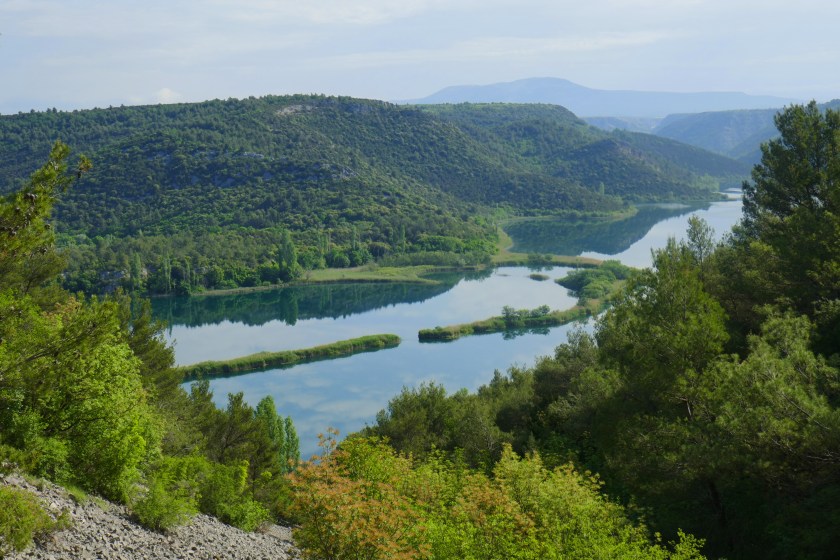
Krka National Park in Croatia

On our long foray to the European mainland we spent just over two months from April to June travelling around Europe in our campervan.  I always monitor the spending of our trips.  Sp how did the spending go?  For various reasons this trip was certainly more expensive than our autumn trip to Spain and Portugal.  Here is the breakdown in sterling:

  • Diesel – £610 (Croatia is quite a long way and we travelled over 4,200 miles)
  • Supermarket shopping – £956 (we did stock up on wine)
  • Cafes, restaurants & ice-creams – £467
  • Campsites – £983 (for 64 nights)
  • Tolls, bus & train fares & parking – £218
  • Entrance fees – £279 (including about £100 for the Krka National Park excursion)
  • Miscellaneous – £115 [maps, campsite washing machines, occasional wifi & bits of kit]
  • Ferry [return Hull to Zeebrugge] – £489
  • TOTAL – £4,117 – average [without the ferry] £55 / day [this is £11 a day more than our autumn trip to Spain and Portugal]

We had travelled a long way to Croatia and to some extent this affected our spending.  We paid almost €110 for the two of us an excursion in a minibus around Krka National Park.  This tour [organised through Camp Marina] meant that we saw more than we would have and for us it was well worth it.  We used some toll motorways in Croatia and bought vignettes for Austria and Slovenia.

Not surprisingly the cheapest country we stayed in was France with some nights of free camping and plenty of ACSI sites that are reasonably priced.  Campsites are notoriously expensive in Italy but we stayed on some very good sostas to keep our costs down.

We had a fantastic trip and we both loved visiting Croatia but to stay within budget during our retirement a trip this costly isn’t something we can do every year.


Goodbye old shoes

P1090127.JPG

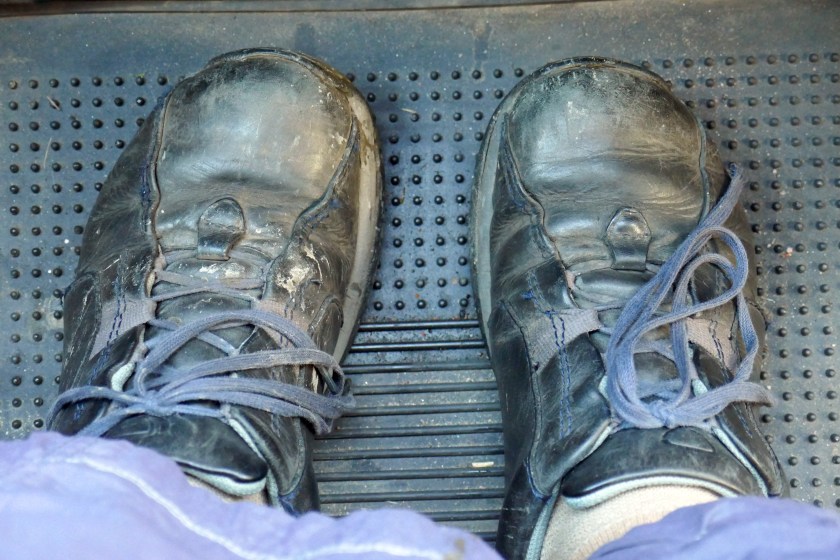
I am a top-class de-clutterer!  I will happily give books I have read to friends, send things I no longer use or wear to the charity shop and sell stuff to others via Ebay and yet I am finding parting with these old shoes a real wrench.  These Brasher Ntoba shoes have given me around 15-years of comfort and I am pretty sure that no other shoes will ever be the same again.  Made for everyday comfort for exploring and travelling I have worn these shoes on walks up small hills and around the countryside, they have taken me to work in wet and snowy weather and out to the shops through the last ten winters; they have never felt uncomfortable and putting them on has always bought me pleasure.

I can still remember the day I bought these wonderful shoes.  It was a wet day in the Lake District and not really fit for walking and so we were shopping for shoes in one of the many shops specialising in walking gear in Ambleside.  I put these Brasher shoes on and as I walked around the shop trying them out for size and comfort I knew straight away they were special shoes; really I should have bought two pairs [or maybe three] while I was there so I had enough for a lifetime.

I think I am finding parting with these shoes particularly difficult because shoes are perhaps the most important item of clothing I buy.  They are my connection with the earth and carry me on the miles I walk every day and being able to do this is so much a part of who I am.  As these wonderful old grey shoes were already on their last legs five years ago I bought a replacement pair of Brasher shoes [again in Ambleside].  These brown Ambler GTX shoes are robust and comfortable enough for a few hours and I wear them through the winter but for some reason they are not the same and wearing them all day leaves my feet feeling tired.  Consequently I don’t love them in the same way as my old shoes.  For the hills I now also have some technical lightweight shoes that are really comfortable to wear and this might be the way to go for the Salford streets too.

I have hung on to these old grey shoes way beyond their reasonable lifespan as I have been unable to part with them but walking in them recently both side seams were gaping wide open where the stitching had come undone, the soles no longer have any tread left and I had to admit that it was time to call it a day.  So farewell old shoes, I am not sure walking will ever be quite the same again.


What if you had loads of money?

Thames article photos (8).JPG
A very expensive house boat on the River Thames

We were at a travel show recently and began to daydream about what we might do if we didn’t have to live on our budget and had a bucket-full of money to spare.  We have a good and happy life spending our £24,000 a year, we travel around Europe in our campervan, socialise, eat as much ice-cream as we need and go to the cinema and concerts pretty much when we want.  Our frugal lifestyle isn’t exactly impoverished and we are content with the life we have because it is the one we chose.  Although I find it hard to put myself in the shoes of someone who doesn’t need to watch the pennies [after 40-years of thrift] I have pushed myself to have fun playing the what-if game?  So … what if a premium bond win or a surprise inheritance suddenly gave us an extra £10,000 to spend, what do I think we would do with it?

  1. Topping up the contingency fund

No surprise here, we might be really boring and just add this to our contingency fund but that isn’t really playing the game is it?

2. Travel

Turns out if we had a chunk of money I would mostly want to use it to do something we certainly couldn’t do without the money and this is travel to see far-away friends.  We have dear friends in the USA and in Australia and spending time with them would be such a wonderful treat.  We have the time now and it is really only the cost of the flights that stops us packing a suitcase and going.  Unfortunately, our current budget doesn’t quite allow for this trip on top of our European trips in our campervan.

The other trip that is hugely expensive but that I have on my wish list is taking the campervan to Iceland on the ferry [over €3,000 for 2018] but what a trip that would be; in my dreams we would spend a month or so touring around Iceland, just imagine …

3. A new home?

I am comfortable living in the less wealthy side of town  where our neighbours are hard-working individuals who don’t go to work in suits but often leave early in the morning in a high-vis jacket; I like living alongside these down-to-earth folk.  £10,000 wouldn’t be enough to make moving home worthwhile but double that might have us considering buying somewhere in the posher [and more expensive] part of town.  We certainly wouldn’t be buying an expensive house boat on the River Thames.

4. A shopping spree?

Even with money to burn we wouldn’t start buying stuff.  Would we buy a new campervan I hear you ask?  Our current Devon Tempest works really well for us, is only three-years old and has done just 26,000 miles; this hardly merits replacement.

5. Giving

In my dreams I have enough money to be able to give a chunk of cash to one or more of my favourite local charities, helping them to be financially stable, and still have enough left over to shower my friends and family with gifts.

These might be harmless musings but it has spurned me on to start calculating the cost of my dream trip to visit our faraway friends.  Having under-spent on our £27,000 budget by £3,000 in 2017 I might hang on to this dream by just a tiny thread.  If we under-spend again in 2018 it might become a real possibility in the future.


What is the best travel writer’s camera? The Panasonic Lumix DMC TZ100 is my choice

23.JPG
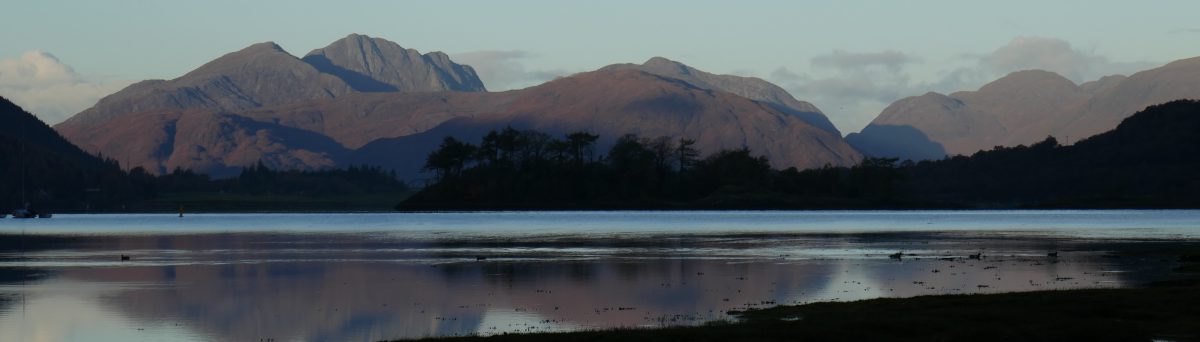
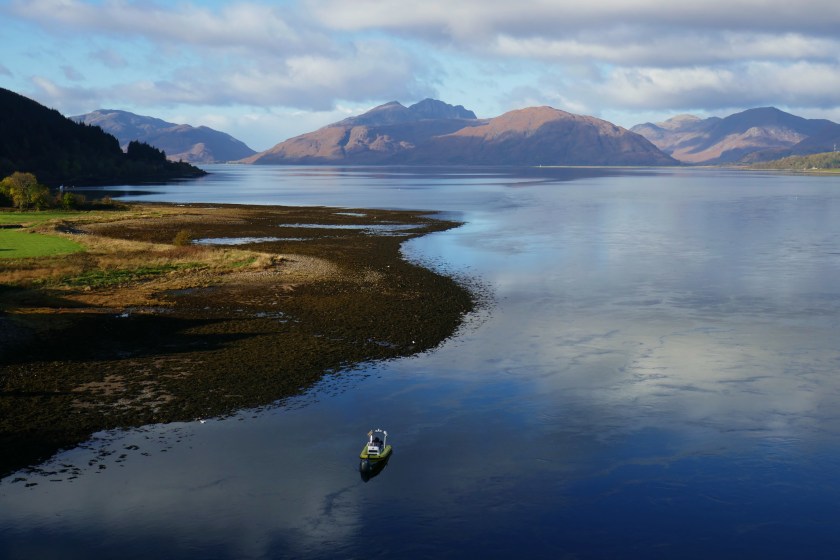
A perfect day at Loch Linnhe on the Scottish west coast

Cameras are such an individual choice and fortunately today there are plenty of options out there to suit everyone but I am not the only person that wants high quality photographs from a compact camera.  I now own a Panasonic Lumix DMC TZ100 and think it is the perfect camera for the active traveller I am.  This camera is a million miles from the first camera I owned as a young teenager; this was my dad’s Kodak Brownie that he had been given in the 1950s and I was over-the-moon to have my own camera.  Once I was earning money I splashed out on my own 35-mm SLR camera, a Canon AE-1, apparently the first SLR with a microprocessor and a model that sold very well.  I bought different lenses for my Canon over 25-years and loved using it and it took beautiful photographs but by the 1990s we were taking back-packing holidays more and more and a bulky 35-mm camera with its associated lenses was taking up too much room in my rucksack.  Although I still loved taking photographs, it got to the point where I would deliberate whether I really wanted to take my camera out with me.

My first digital camera was bought in 2005, it was a second-hand Fuji that was still fairly bulky but I was quickly sold with the convenience of digital over film.  Never again would we lose a roll of film because someone had set the postbox alight [such as our precious wedding day photographs] or even have to limit the number of photographs I took.  Digital was the way forward for me; I could take as many photographs as I wanted, see them immediately and edit them in the comfort of my home on the computer.

By 2008 I had moved on to digital compacts and owned a Canon and an Olympus before upgrading and buying a Panasonic DMC-TZ40 Lumix just over four years ago.  At this time we were still saving up to retire and I thought the £200+ I paid for this camera was more than enough for someone who was trying to be frugal.  In this effort to save money I had not anticipated how important photography would become in my emerging career as a travel writer.  I loved using the TZ40 but it didn’t always perform as well as I would like.  There is a lesson here that sometimes being frugal can cost you money rather than save it and less than three years later I took the plunge and paid £550 for my Panasonic DMC TZ100.

I know there are more expensive cameras out there and although every camera is a compromise in some way, I now feel I have the camera of my dreams.  Although I am sure I could get even greater quality out of a more expensive camera, the TZ100 delivers great quality photographs, gives me flexibility to change settings, has more features than I will ever need to use and is small and compact and so is never a nuisance to carry on a walk.  I chose the Panasonic because of the positive reviews, for the good quality large viewing screen that I can use even in bright sun and because of my positive experience with the TZ40.  Staying with Panasonic brand also meant I could use the camera immediately as much of the functionality was familiar.

With this little gem of a camera by my side I can no longer blame the camera for poor photographs; I only have myself to blame for any hopeless shots.

136159-cameras-review-panasonic-lumix-tz100-review-image1-F5RCYPJSjO
The Panasonic Lumix TZ100

Camping comfort food: dhal or lentil curry

Lentil curry.JPG
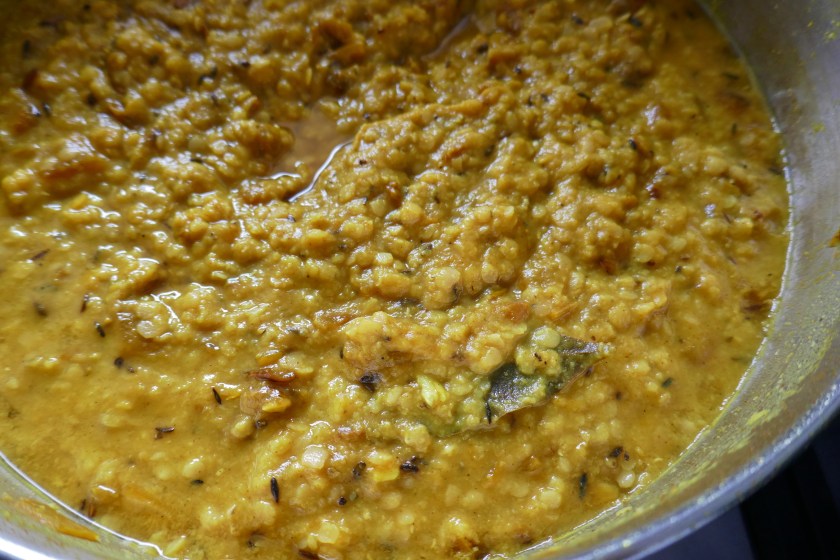
Dhal simmering in the pan

While the weather is below freezing I want to eat warming comfort food that is quick to make and delicious to eat.  My go-to recipe in these circumstances is lentil curry.  The recipe is below but it is a versatile dish that you can make your own and add to as suits you.  This is made from ingredients we always have in the store cupboard either at home or in the campervan and for me lentil curry is the ultimate comfort food, you can eat it from a bowl with just a fork [or even a spoon], it is warming and spicy and tasty and memories of all those other lentil curries from the past linger around it.

Dhal / lentil curry for two

Boil a pan of water with a pinch of salt and add two good handfuls (maybe 200 grams) of dried red lentils and a couple of bay leaves.  Boil and skim off any white scum as they boil and top up the water if necessary until the lentils are soft [about 20 minutes].  For this recipe you don’t have to boil the lentils dry.

Remove the bay leaves and put the lentils to one side [I put them in a bowl in the campervan and reuse the same pan for the next stage].

Fry a finely chopped onion in vegetable oil until it starts to catch and brown slightly and then add spices to suit you.  At home I use a teaspoon each of ground tumeric, ground cumin and ground coriander, a couple of crushed garlic cloves, a pinch of chili flakes or a fresh chili chopped and maybe a little fresh ginger if I have some in.  In the campervan I usually only have a garam masala mix and fresh garlic to hand.  Fry these for a minute or two and then add the lentils to the pan.  You are now more or less finished but you can garnish the curry with fresh coriander if you have this available.

For variety I sometimes add a couple of chopped tomatoes to the onion or a chopped courgette.  Sometimes I add some finely chopped spinach at the end and this adds some colour.

I serve this wonderful simple food with either plain boiled rice or naan bread or home-made chapattis, the choice is yours.  Not only is this quick to make it is also a cheap eat.  In the campervan naan bread keeps the washing up to just one pan which is a win-win.  Enjoy!

How can you afford holidays when you live on a low budget

1991 July Verona and Castel S Piedro.jpg
Verona in 1991

We all prioritise what we spend our money on to have the life we want.  You won’t be surprised to read that I have always prioritised holidays over pretty much all discretionary spending.  Despite living on an average or low income for 40-years we have always travelled.  Firstly, some background … when I first started work and living alone I had little money to spare so marriage to Mr BOTRA was a big plus financially [and in many other ways].  Even with below average salaries we were much better off living as a couple.  We had our son in the Thatcher years and so received only a few weeks maternity pay, had to fight for one week of paternity leave, received no Family Tax Credits and the only state help we received was Family Allowance that was frozen in the late 1980s.  And yet we managed to afford holidays, how did we do this?

Through all those years we prioritised holidays over living in expensive houses, buying new furniture and cars and posh frocks.  This was our choice and whereas we would probably be better off now if we had made different decisions no one can ever take all those holiday memories away from us.  We had a ‘big’ holiday every year and these were often adventurous holidays abroad.  After paying the mortgage and the utilities, holidays were our next priority and we saved a set amount every month that was earmarked specifically for holidays.  This amount was put in to a dedicated savings account and such was our determination to explore foreign places that we never dipped in to this money for other financial emergencies.

Our holidays were never expensive and luxurious trips, it was always the travelling that we were interested in.  We enjoyed camping and before our baby was born we bought a high quality tent and acclimatised him to camping from being a toddler.  We chose wisely, buying a Saunders Spacepacker lightweight back-packing tent, widely recognised as the best available in the 1980s and beyond.  We could carry this and our ‘gear’ for our trip in two big rucksacks.  When our son outgrew our shared Spacepacker we bought him his own.

Travelling and seeing new places was what mattered to us, taking walks costs nothing and our holidays were about hiking in the mountains and enjoying fresh air and new experiences.  The budget rarely ran to eating out; the exception was our trip to what was then Czechoslovakia and is now the Czech Republic and Slovakia in 1992.  Back then eating out was so cheap in those countries we could indulge.  We slipped up when we visited the Black Forest in Germany the following year, assuming the same budget as we had spent in Czechoslovakia and finding out that Germany was much more expensive than eastern Europe!  With no credit card to prop us up we had to stay within budget and it was a tight fortnight.  We discovered Germany’s budget supermarkets, spent the days walking, playing in the parks and visiting free museums and pitched up on a scruffy, anarchic and most importantly cheap campsite; it was an interesting trip.

It was 1991 when we first went abroad to Italy [see the photograph above] and this trip set the pattern.  We took the train to Verona, which had been on my list for many years and I thought I had arrived in heaven.  Camping Castel San Pietro above the town turned out to be the perfect place for two young parents and their five-year old child.  Set inside ancient walls this was a relaxed, welcoming and slightly quirky campsite.  From here we made our way on public transport to the Dolomites and spent our days walking in the dramatic and unbeatable mountain scenery.

As well as these train and backpacking holidays we would visit Scotland every Easter, sharing the cost of a large self-catering house with friends made it affordable and we would have numerous weekends away with the tent in the UK.  These were the days before Facebook but if we had been able to post about our holiday activity you would have thought we had loads of money!

These adventures and trips to all corners of Europe would not have been possible without that discipline of regular saving over twelve months.  We didn’t consider ourselves natural savers and we certainly didn’t save for anything else at this time, there was very little spare.  Our desire to travel gave us the motivation and we continued this monthly saving plan even as we became more financially comfortable.

Think Save Retire recently blogged about earmarking your money a well-timed post as I was drafting this.  Completing Steve’s statement clarified for me that holidays have always been our priority and made me realise how we continue to make sure that our money supports that priority.