We visited the Yorkshire Dales National Park recently and met a group of volunteers working on one of the paths while we were out walking. We chatted to the group for a short while about the work they were carrying out and as we walked away we both agreed that we could do that.
Once I have retired fully it is my intention to give some of my time for free and I have started to think about the places I could do this.
I am already the Treasurer for a small charity and I give my time freely as a minute taker to the management board of our flats but not working will free up more time to do some good around Greater Manchester.
I am keen that my volunteering is enjoyable and I am thinking about conservation and environmental organisations where I could do some good for now and the future. I would also like to volunteer locally and support an organisation in Salford. Fortunately, we have plenty of excellent organisations around us.
In addition, I plan to spend time every week [when we are at home] picking up litter and tidying up the bushes around our local area. I used to collect litter walking to and from work every day and I want to spend a bit more time making the area where we live more pleasant to live in.
We are happy with any excuse to visit Teesdale and explore this lovely valley a little bit more and so set off for Cotherstone (pronounced to rhyme with fun not phone) in a cheerful mood, looking forward to meeting up with old friends and making new ones. Yes, this was the autumn get together of the Devon Owners group.
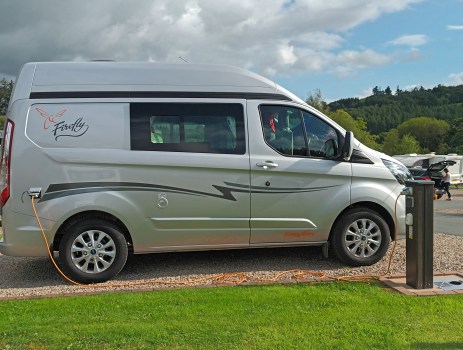
We were staying at the lovely and welcoming Doe Park Caravan Site just a ten minute walk from Cotherstone. For someone so hopeless remembering names there were so many Devon ‘vans [and their owners] at this meet it was hard to keep up with who was who, we kept the attendance list close by all weekend and apologise to everyone whose name we got wrong.
Our welcome was warm and very genial. Normally when we arrive on a campsite the first thing we do [being addicted to a cuppa] is put the kettle on and have a cup of tea. Parking on our pitch on Friday afternoon we managed to get the kettle on, but it was over an hour before we had a long enough break in neighbours popping over to say hello and could actually make that brew.
Of course, we did some walking and while many people walked or cycled into the delightful Barnard Castle, we decided to go the other way to Eggleston, which has a lovely hall and gardens, with a tea shop and a pretty garden trail that passes colourful borders, a ruined chapel and fruit trees laden with apples and plums. Autumn is settling in now and we walked high above the river, finding huge puffball mushrooms and picked blackberries from the hedgerows. We returned along the Tees Railway Path from Romaldkirk which is perfect for walking or cycling.
On the way home we stopped in Kirkby Stephen on the edge of the lovely Howgill Fells and walked up Smardale Fell. We were walking in blustery sunshine and could see showers flitting across the Pennines and watched rainbows briefly arching over the hills.
Big changes are afoot at the BOTRA household. As we move away from paid work it made sense to change the use of the second bedroom of our flat from office [and storage of stuff] to dining room [and storage of stuff]. This is a bit of a challenge, as although generally our dining room only needs enough space for two and up to six when we have visitors a couple of times a year it needs to stretch as we host our book group. On these evenings we need space to sit ten people for a meal; a big ask for a small flat.
After much deliberating, measuring and scribbling of plans we figured we could fit the two dining tables needed for book group in to the room formerly known as the ‘office’ as well as some built in cupboards for the stuff and so the project started to take shape.
A bonus with this plan is that moving the dining table out of the living room gave us much more space in the living room. More consideration and measurements later and we realised we could fit in another sofa. Hurrah! Not only would the ten book group members be able to sit and eat, they would now also have more space to relax in during the pre-eating and post-eating phase of our meetings.
But our excitement plummeted when we realised what an expensive business buying a new sofa is. We don’t buy new furniture very often but we walked down to a local furniture store and sat on everything they had. The cheap [ish] ones felt shoddy and although we are frugal, we don’t like shoddy, we expect things we buy to last for years and years. The well-made sofas felt the business but would take a good chunk of our budget.
Somewhat disheartened I went to look in a local charity shop that specialises in furniture and found the sofa in the photo, just the right colour to compliment our other sofa, from a well-known and expensive brand and professionally cleaned by the charity before being put on sale. At only £125 it was a good recycling bargain.
We feel good because we haven’t spent lots of money and our savings have stayed on track, our cash has gone to a charity, rather than a big business and we have helped to recycle a sofa and so reduced the amount going to landfill and no new resources have been used up.
We have a long way to go before we are anywhere near a Zero Waste Home. But, as with everything, when the overall goal is so enormous I feel better if I at least start to make some small steps towards getting there.
Since the 1980s we have taken many tiny steps towards being a low waste house. We already make our own bread; we don’t buy any sort of microwave meals [we don’t have a microwave] or convenience foods [with the exception of Linda McCartney’s sausages, which come sensibly packaged in just an easily recycled cardboard box]. We gave up laundry liquid for a cardboard box of powder earlier this year and buy as many fruit and vegetables that are both local and come without packaging as we can find. We have recently moved on to Lush shampoo bars, rather than buying plastic bottles. We keep leftovers in bowls and containers in the fridge [and then use them] and have a roll of clingfilm we have owned for decades and it just seems a shame to throw it away.
So, it has been a long time in coming but I finally got around to making our own hummus. This is something I eat lots of and the plastic pots it comes in have been taunting me every time I bought it and spoiling my enjoyment of this wonderful food.
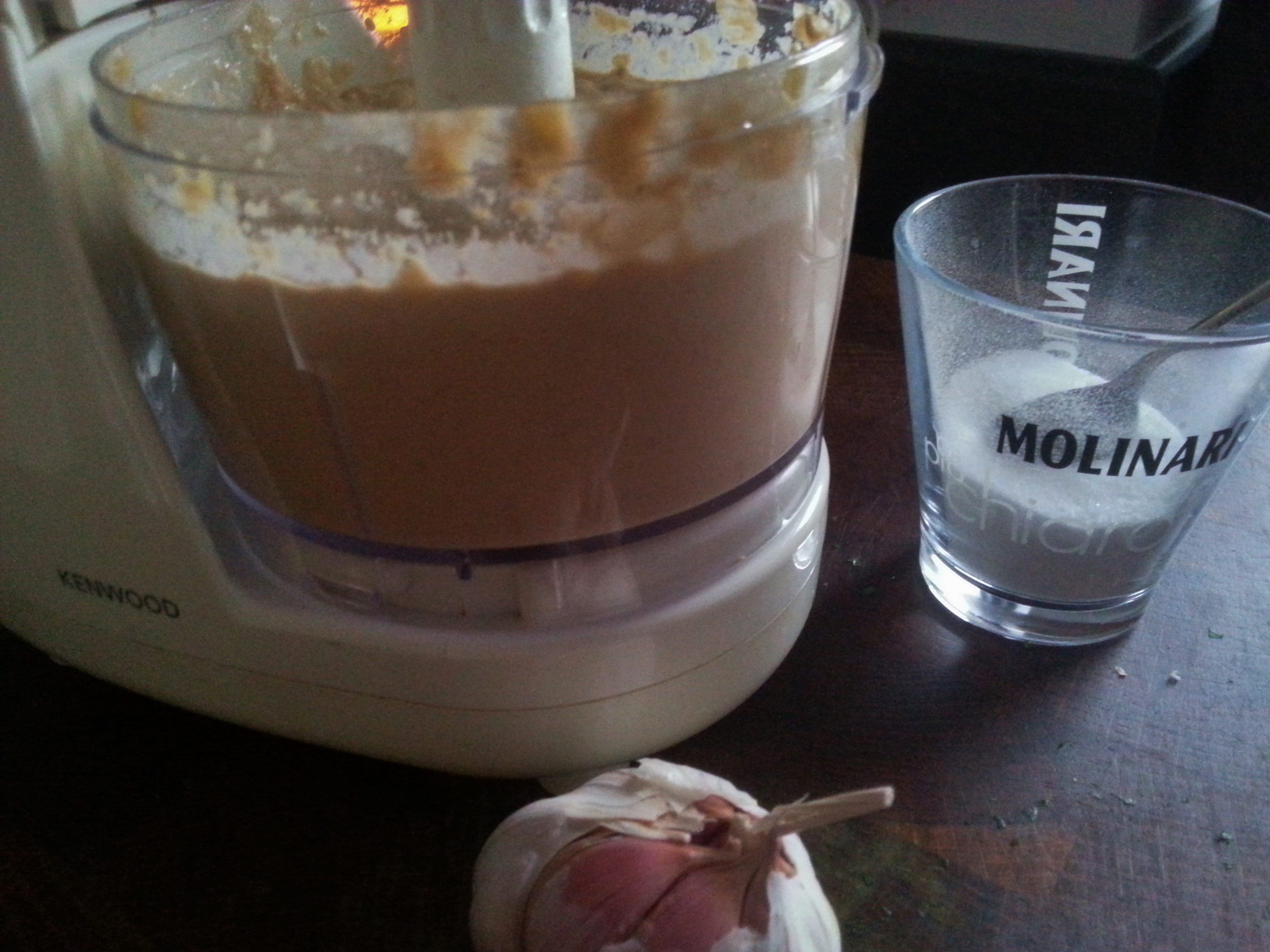
For me the crucial step was buying a jar of tahini [we always have garlic, olive oil and chickpeas in the cupboard] … every time I went shopping I prevaricated because it was just something else to make space for in to our tiny kitchen. I know that making hummus is really easy to do and takes just a few minutes, after all I made my own back in the eighties when you couldn’t find it in a supermarket. But last week I got a grip, bought the tahini and whipped up some delicious hummus.
So for a day or two I will enjoy the virtuous feeling of taking a step in the right direction until I read some more and come up with the next thing to tackle … if I can find room for a five litre container of white vinegar it might be cleaning products.
This article in the Observer newspaper last week got Mr BOTRA and I thinking about whether owning our campervan saves or costs us money. It shows how important owning the ‘van is to us that we have never given this much thought before. As someone who has spreadsheets to plot our spending and savings to every penny, this seems like a huge omission and just goes to show that when it comes down to it our hearts rule over our heads. We own the ‘van because we love the lifestyle, rather than to save money and even while we have been saving to retire we have never thought of not owning a campervan.
To investigate further I opened up all the spreadsheets and looked at the costs for our previous ‘van over eight camping seasons from 2007 to 2014
Insurance, services, road tax, MOT, tracker & club membership cost around £1,200 each year. Before we had a campervan we didn’t own a car but we did spend money on hiring cars every month.
Over the years the ‘van didn’t need a lot of maintenance [it was a VW] but it did travel 70,000 miles and we had to buy the following, a new exhaust, tyres, new covers for the front seats, two replacement windows. The cost of these averages out at £161 a year.
Our regular camping holiday in Europe for over three weeks, and including a ferry, costs around £1,350 each year [note, I haven’t counted food bought in supermarkets in this total as we would eat if we were at home].
In those years we spent an average of 25 other nights camping in the UK [from 18 to 48 nights]. These nights were mostly on campsites with some wild camping and cost an average of £17.63 / night, giving an average of £581 each year.
I haven’t calculated diesel costs in this rough and ready estimate, as we would still want to go to places …yes, I do know the ‘van is not as economical as a car but neither have I accounted for car hire and taxis in my calculations. It is all getting complicated and I hope these things just cancel each other out.
Motorhomes don’t depreciate in the same way as cars. When we traded in the ‘van we only lost £8,500 on the price we had paid for it, this works out at £1,062 per year.
Total cost each year has been £4,354 per year for an average of 52 nights holiday each year.
It is hard to estimate what we would have spent on holidays if we hadn’t had the ‘van but based on what we used to do I can estimate a figure. We used to have a three week organised cycling holiday using hotels in mainland Europe [£3,000], a week in Scotland [£700], a short break in Germany [£700] and a UK short break [£400].
This gives a grand total of £4,800 on around 37 nights of holiday.
So owning the ‘van saves us £446 / year and we get 15 nights more holiday a year. But hang on … Interest rates were considerably higher between 2007 and 2014 [5.5% in 2007]. If we had invested the £32,000 we had spent on the ‘van we could have received at least £2,000 a year in interest and would be quids in; however, with today’s low interest rates the sums add up very differently, as the article suggests. Do we regret buying the ‘van when we did – absolutely not!
Isn’t it great when something turns out better than you thought. Since working from home the only thing I have really missed is the exercise I got walking to work. Although I make sure I move around a lot during the day, my work is mostly sitting at a laptop and so by the end of the working day I am itching to get moving.
To make sure this idea to take exercise happens I thought I would try stopping the supermarket ‘big’ shop in the ‘van or using home delivery and instead get out on the bike two or three times a week to get all our shopping.
Previously, I have always done a bicycle shopping trip once a week mainly for fresh fruit and vegetables. In addition about once a month we would do what we call round here a ‘big’ shop to get store cupboard essentials and cleaning materials. We are lucky to have five supermarkets within easy cycling distance of home [no farmers market nearby unfortunately as we don’t live in that sort of an area] and I vary which one I visit to add variety to my trips.
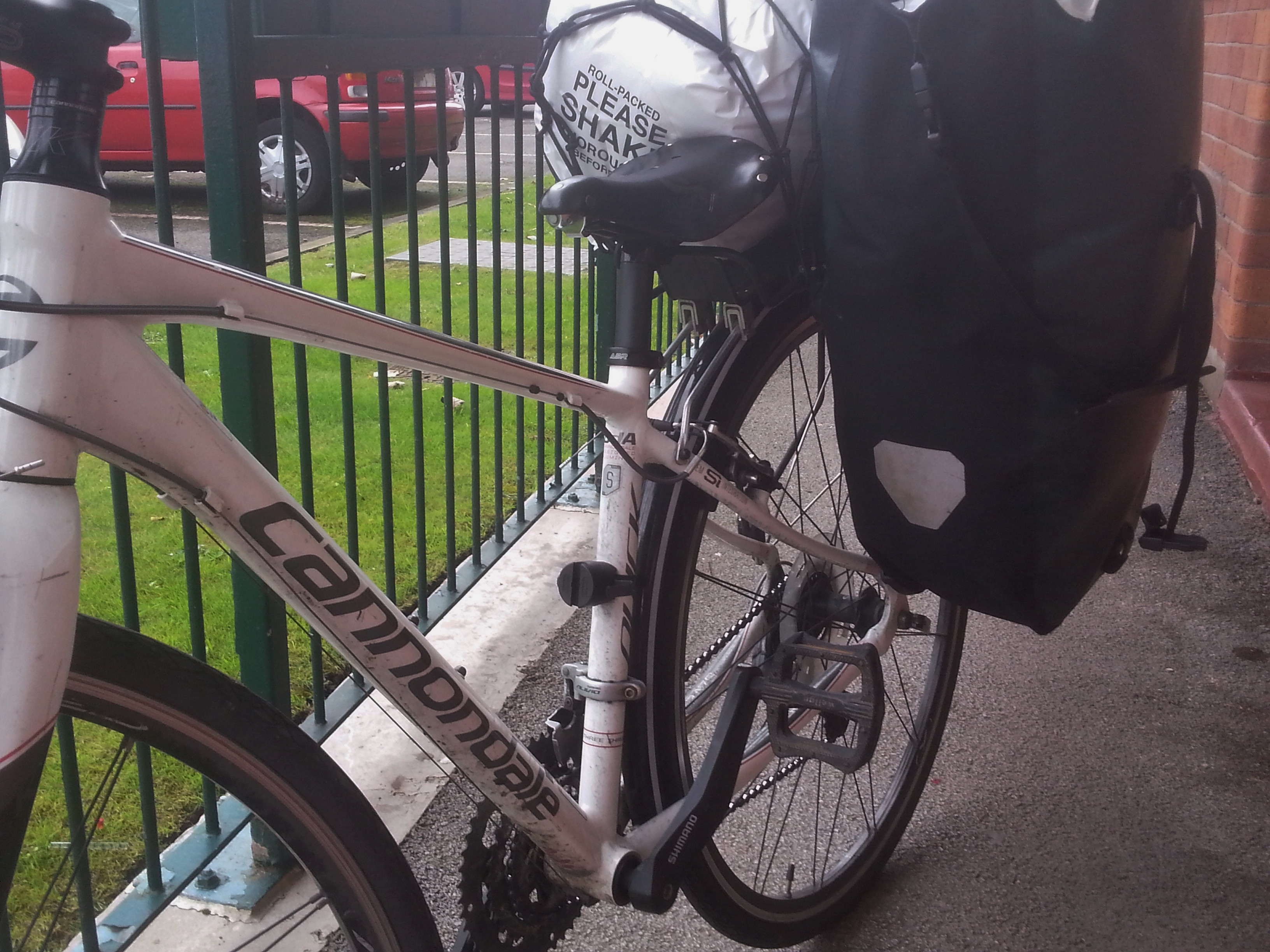
I honestly expected this method of shopping to be more expensive, as I am visiting the shops more; however, the spreadsheet doesn’t lie and I am pleased to say I have found the opposite, it has actually saved us money. It helps that I do plan meals, make a list and stick to it as I hate to waste food and I mostly use the cheaper supermarkets. Also, I am limited to how much I can fit in to my [very roomy] Ortlieb pannier which stops some impulse buys.
So … the figures. For the first four months of 2016 our supermarket shopping [all our food and household items] average was £248 per month. For the last two months, since working at home and shopping by bicycle the average monthly spend in the supermarkets has been £212 per month, a saving of £36 each month. In May and June we were mostly on holiday, so different rules apply and these months are not featured.
We are saving money and I get out on my bike – a win-win, as they say.
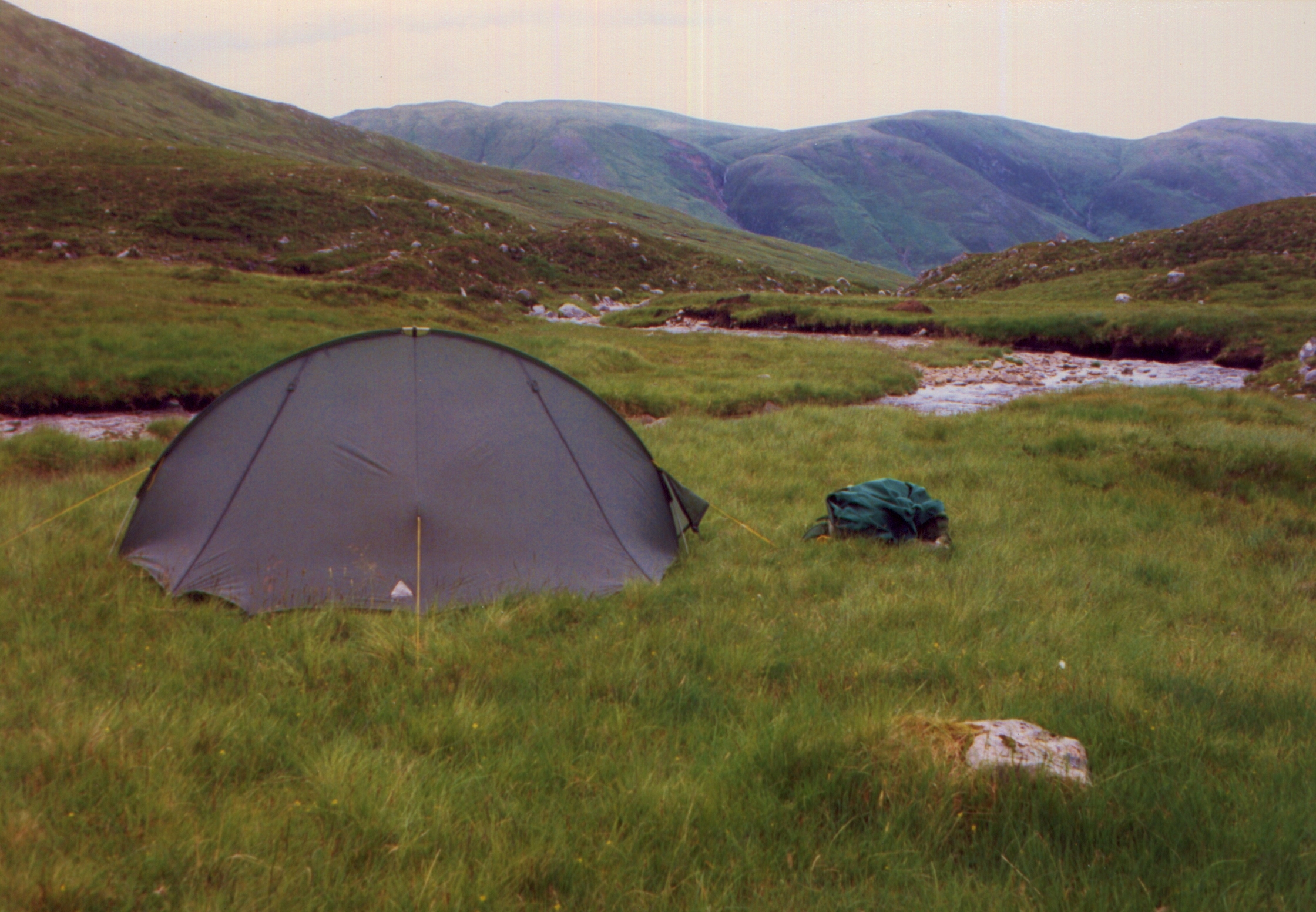
It has been an emotional recently in the BOTRA household, with lots of reminiscing and a few tears. All because Mr BOTRA and I have faced the truth that we are [probably] never going to sleep under canvas or take a backpacking trip again.
I don’t think we are the only motorhomers who started our camping holidays with a tent, although we might be the only ones who, when we got married, didn’t own a fridge or a washing machine but did both bring a Vango Force 10 tent to the marital home. Given our lack of white goods and possession of two tents, an extravagant purchase early in our marriage was a lightweight Saunders Spacepacker. This beautiful and practical tent served us well over the years as we backpacked all over Europe, firstly just the two of us and later fitting our son into its womb-like interior. Although the Spacepacker was sold on eBay years ago (another emotional time) as part of our money saving project to buy a brand new campervan, we had hung on to the larger tent and the possibility of camping. In reality, since we bought our first campervan in 2005, the tent has only been used by friends and relatives.
During a recent clear out of the stuff among the dust under our bed, I pulled out the tent and our two large Karrimor rucksacks and dared to suggest it was time to offer them out to the world via eBay.
Mr BOTRA, the sentimental one, became misty-eyed, remembering all the places he had carried his rucksack and a trip down memory lane, accompanied by photographs took up the afternoon. I was the practical one, reminding him how much we enjoy the comfort and freedom of the ‘van and pointing out how else we could use the valuable storage space in our small flat.
Amazingly there is a market for old camping gear, thanks to the British passion for festivals where inexpensive gear makes common sense. So the old, but still waterproof, tent was collected by a local man who was optimistic enough to think that a British festival might not be as muddy as we knew it would be, and our old trusty rucksacks were bought by two similar music-loving individuals. Our savings got a small boost and the tent and rucksacks were recycled and given a new life.
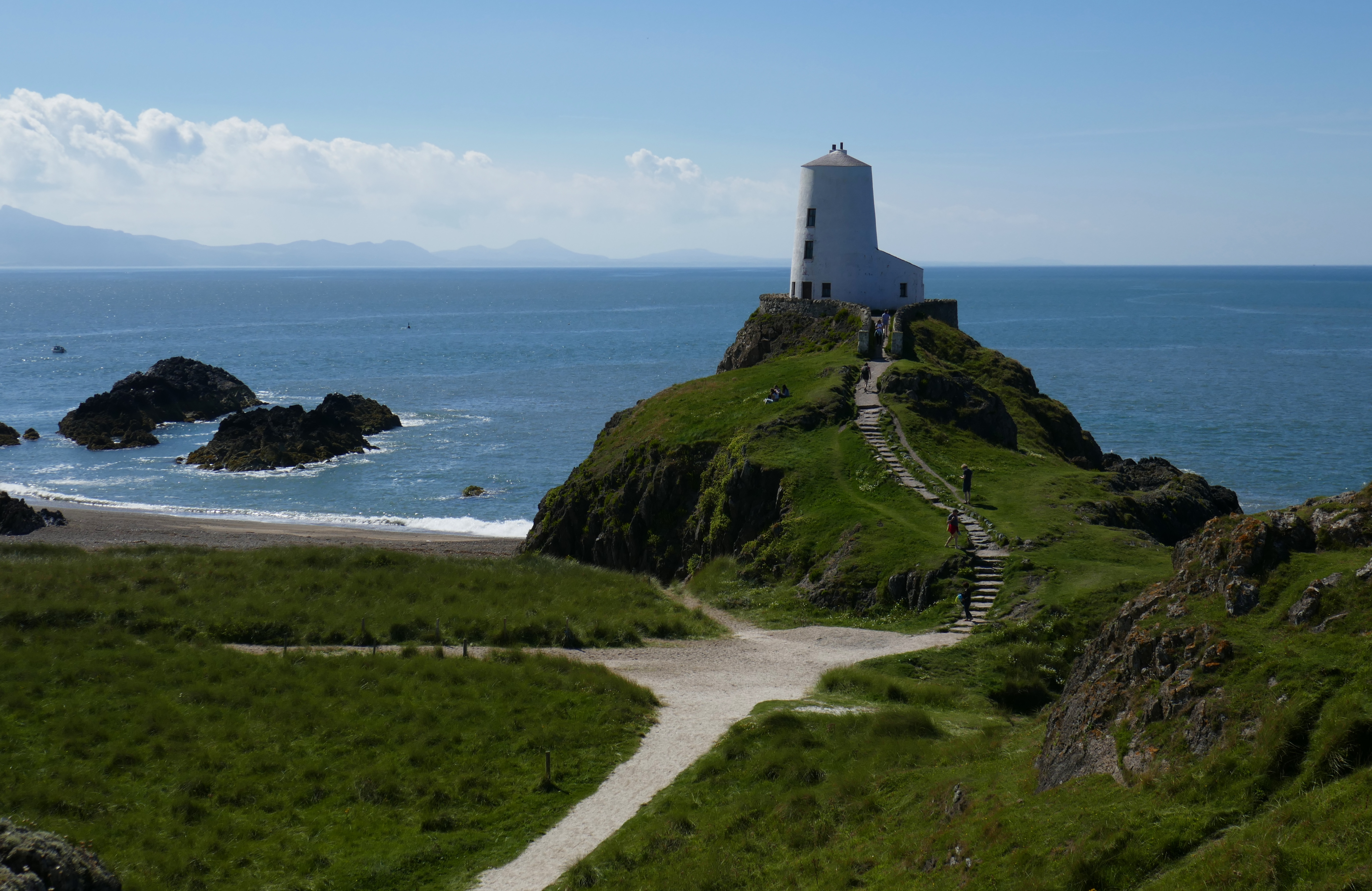
The beautiful Llanddwyn Island on the Isle of Anglesey
Spending a few days visiting some of the wonderful nature reserves and wildlife sites on the Isle of Anglesey proved to be a very frugal holiday. With no admission fees to pay, our only costs were small amounts for parking, leaving enough to buy the occasional [okay daily] ice-cream.
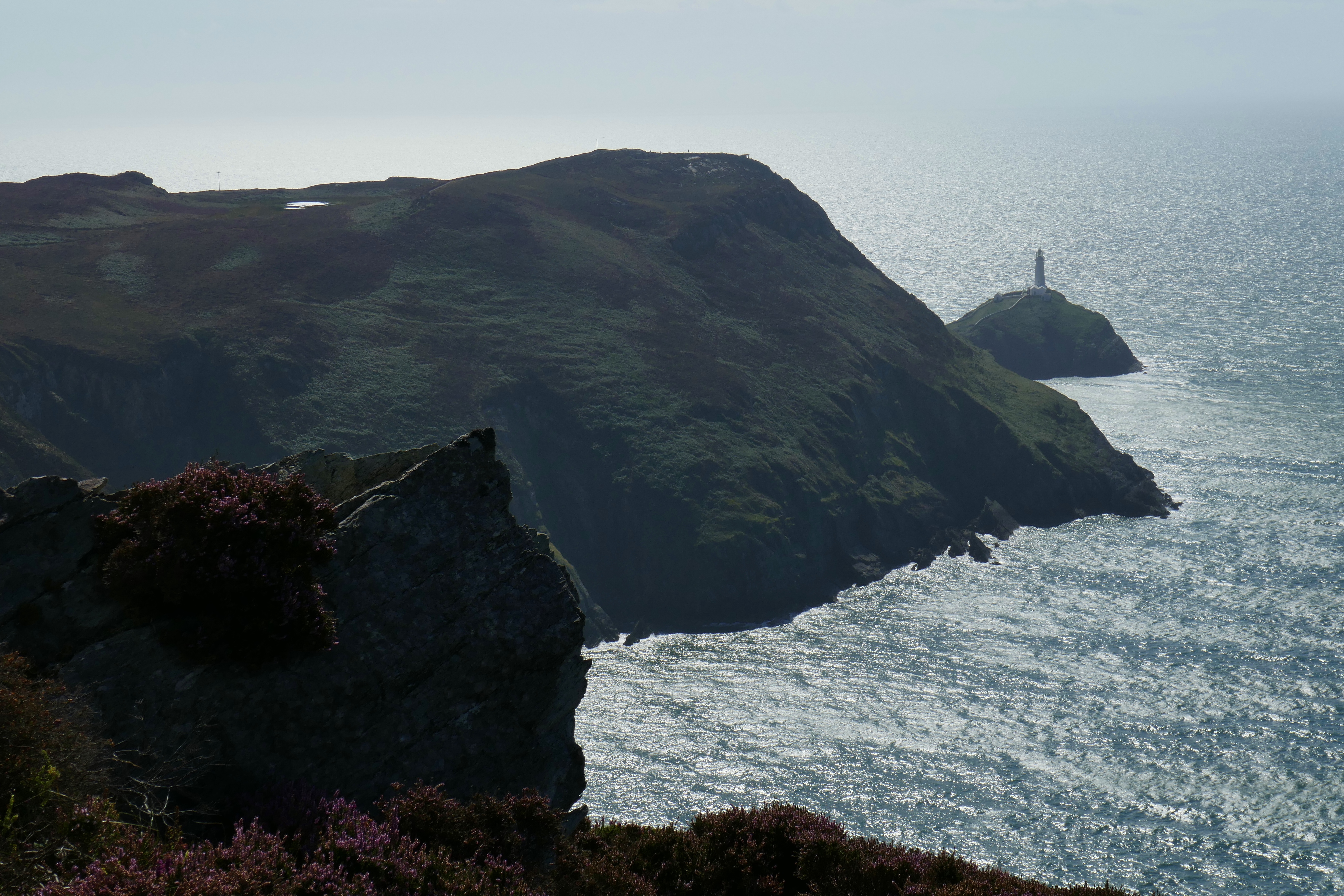
Anglesey has designated its 125 miles of coastline as an Area of Outstanding Natural Beauty and rightly so, as the coastline is beautiful and varied. We stood in the fresh breeze on the top of Holyhead Mountain and walked around the expanse of Red Wharf Bay, spotting egrets, curlew and oyster catchers feeding on the rich feeding grounds. On the way to Amlwch, with its fascinating [and free] museum about the geology of Anglesey, we visited the old copper mine at Parys Mountain [again no charge] and were stunned by the vibrant purple and orange colours and the huge open cast mine. We walked around Rhoscolyn Head to find the perfect white sea arch; this is just as impressive as Durdle Door but is kept a secret, as on a sunny day we had this idyllic spot to ourselves. I have struggled to decide which photograph to use from this trip as there are so many but opted for this view of Llanddwyn Island, a tidal island accessed from Newborough Forest [we were just sorry we didn’t spot a red squirrel but with such an expanse of trees the squirrels were no doubt having fun out of sight].
Anglesey also has international recognition for its important geological heritage as it is one of the 120 areas that are part of the UNESCO Global Geoparks network. Travelling across Anglesey is a journey across twelve Geological periods and 100 rock types. The colour and variety of the rocks on Anglesey are there for every visitor to discover and of course this rocky diversity results in a range of different plants too.
We stayed on a small Caravan Club Certified Location [CL] site for £13 a night called Tyddyn Osgar in the village of Brynteg. Mr BOTRA and I don’t understand the pricing policy of these small sites and it seems to be completely arbitrary with some charging over £15 a night for nothing more than a hook-up. This one provided a friendly welcome, one of the best campsite showers we have ever found, well-cut grass, wide-open views across to the Snowdonia mountains, a pub nearby, great cycling from the site and an offer of a lift for linear walks if we needed it … all hard to beat and ensured our trip didn’t eat in to the savings.
For the past two years the two of us have attended a Thursday evening tai chi class at a local community centre. We had the good fortune to find an excellent class that was just 10 minutes walk away and cost us an affordable £6 a month each. Our experienced tutor was motivated by wanting to give something back to the community rather than making a living and so only charged to cover his costs. However, running the class, as well as continuing a full-time job and balancing the demands of his family eventually became too much and the end of our tai chi class arrived last week. I was very sad as I thanked our tutor and hugged our class mates.
As well as having an inspiring tutor, the class was made up of a wonderful group of Salfordians. These were mostly retired individuals and all benefited hugely from attending the class; tai chi is particularly good for mobility and emotional well-being. A core of the group have been attending for ten-years and know more about tai chi than I will ever learn. Tai chi doesn’t promote competitiveness and everyone shared what they knew and supported each other and everyone was always encouraging at my poor efforts.
Tai chi is a Chinese martial art that involves some static postures and continuous controlled movements that are designed to improve physical and mental well-being. For those interested the class we attended was Sun-style tai chi, developed by Sun Lu-tang just over 100-years ago and is the youngest tai chi style. Sun-style tai chi has less kicking and punching than other tai chi styles and has a strong emphasis on breathing, mental focus and posture.
I have learnt a lot attending the class over the last two years but I am well aware there is plenty more to learn. Mr BOTRA has made the time to self-study and learn the long form or series of movements and this means we can practice at home or on holiday. But for me the discipline and support of a class is the best way for me to develop and so we are in search of a new tai chi class.
There is the possibility that a new tai chi instructor may take over the class at the same community centre. If this happens, the new tutor will be running the class as part of their business and this means the cost will increase to £14 each a month. I don’t begrudge someone making a living from teaching but this increase will have a not insignificant impact on our budget and Mr BOTRA and I have talked this over. If this comes about our plan is to attend two or three times a month, as it is so convenient, and then practice at home in between; this will make the class affordable but also ensure we maintain our skills.
The summer of 2016 might not be memorable in England for being wall-to-wall sunshine and yet we have managed to be lucky enough to have some excellent weekends away. Although we have visited our much loved Lake District a couple of times, it has been a memorable summer for exploring some new areas [yes even in our small country we can still find places to discover]. Our trips to the Howgill Fells and Knaresborough were very pleasurable and we explored some beautiful places and enjoyed some good walking.
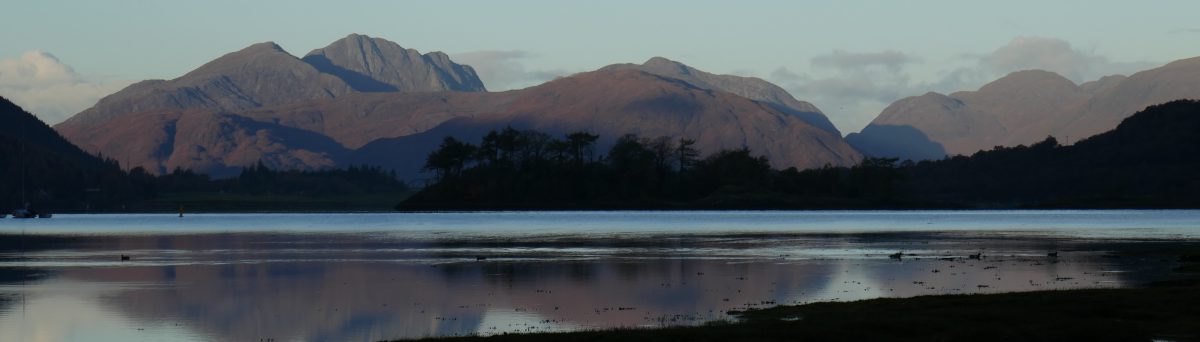
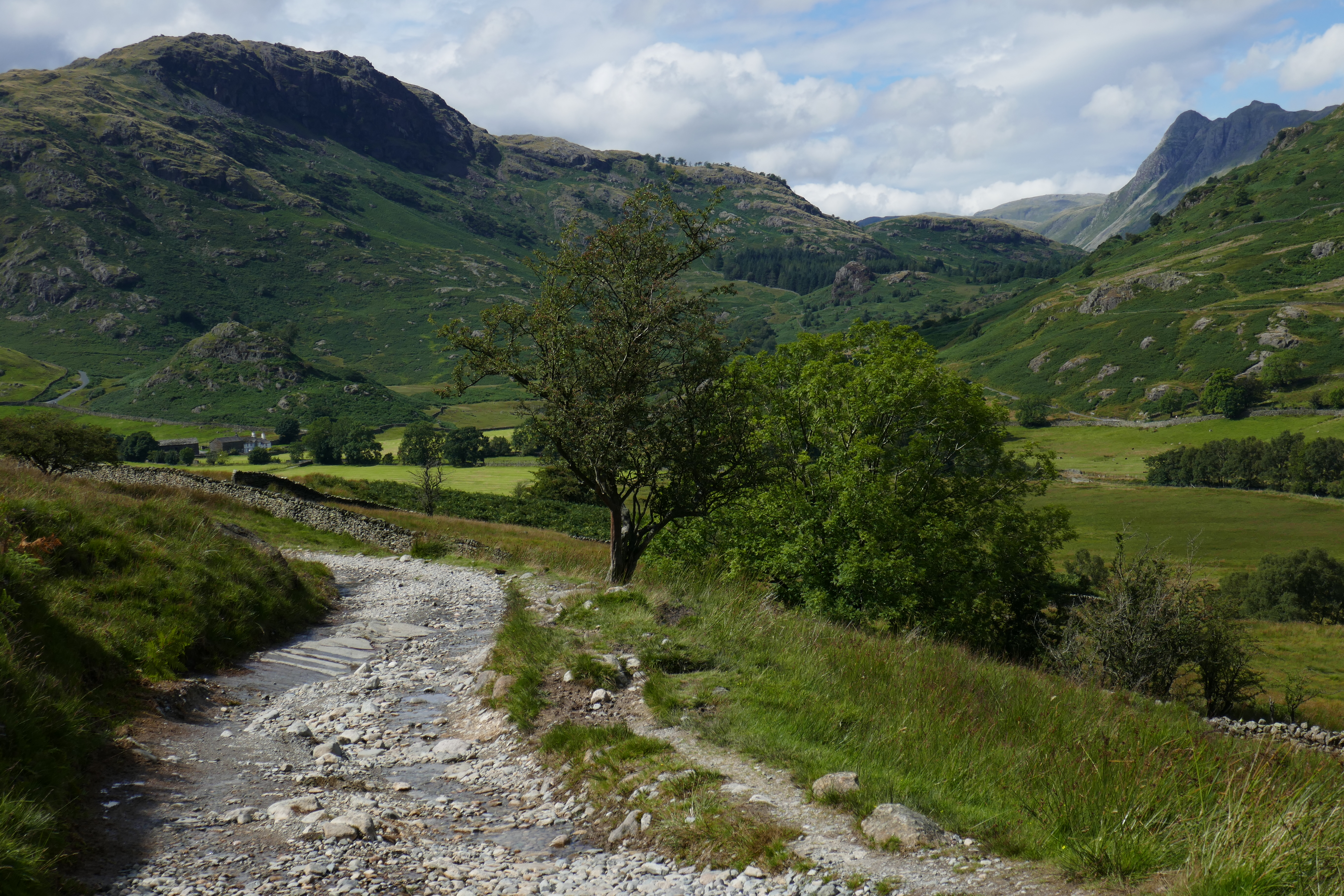
I was reminded how beautiful Great Langdale is in the Lake District on our August trip. Time flies so quickly and I am often amazed how many years it is since we have visited favourite places. As we drove in to the lovely glaciated valley and got our first glimpse of the distinctive hills bathed in the evening sunshine, the steep-sided hills seemed to give me a big comforting hug. After a pint of Old Peculier in the Old Dungeon Ghyll, listening to the chatter of other walkers talking about routes and studying maps for the next day I was even happier. The sound of the stream lulled me to sleep that first night.
The Howgills trip was one of discovery and I think it will become a favourite as the walking is good and the area is less popular than its neighbours. In North Yorkshire, we walked about 20 kilometres in to the lovely town of Knaresborough and back. This wasn’t mountain walking but it was beautiful through the Nidd Gorge and we enjoyed spotting the blue-green of the kingfishers flying fast over the river. There is also more to discover on the moors between Knaresborough and Skipton and so I hope we will be back [although as I said above, years might fly before this actually happens]. It hasn’t all been walking and we also spent some time in the fascinating and packed Nidderdale Museum in Pateley Bridge. Run by volunteers, there is something for everyone in this lovely local collection.



 Back on the road again