
Would I lie to you?An Insurance Company and a faulty lie detector

Recently my bicycle was stolen. It was 13-years old, only big enough for someone 160cm tall and its paintwork was scratched. And yet, it was my comfy bike and had been cared for mechanically over the years. For my comfort I had bought a Brooks saddle, changed the stem and added bull bars. It had a rack for a panier when I was shopping and a bell and mudguards. It was MY bike!

I left it outside Sainsbury’s in Lancaster one evening while I was minute taking for a local charity. There is CCTV and the police watched the thieves take my bike about two minutes before I returned [if only I had walked more quickly!]

I reported the theft to the police and Lancashire Constabulary excelled themselves, calling me four times with updates and getting hold of the above CCTV.

I also made a claim to our home insurance company, where our bikes are listed and specifically insured. At first they were sympathetic and everything seemed to be going through as expected. The next day I was informed that I had to answer some questions, that I should do this in a quiet room and sitting down. I was told the questions would be repeated and I should only answer yes or no.

The questions were asked by a machine and were irritating, ‘Did I know how to use a telephone?’ ‘Did I own a computer?’ Among these trivial questions was one along the lines of, ‘Are any of the items you are claiming for still in your possession?’ I tried to answer these questions clearly but by the second time it was hard not to sound irritated by questions that I considered beyond stupid. I wanted to say, ‘duh!’ to every one of them.

Later that day I had another telephone call from our insurance company. If the first sympathetic member of staff had been good cop, this was bad cop. It seemed the ‘system’ had flagged up one of my answers, suggesting my claim was fraudulent. I was informed that ‘the system’ was highly accurate and rarely wrong! I felt I had wandered in to a farcical performance of 1984; I knew I was telling the truth, but a machine I was told was accurate most of the time heard a lie.

I was on the phone for some time, pointing out to someone with no sense of humour that one of my weaknesses was my inability to tolerate stupid questions. I explained that what the machine had heard was not a lie but my frustration. I tried laughing the whole thing off but this just made things worse. The call became darker and by the end I was being threatened and bullied. I was asked if I wanted to proceed with the claim because if I was found to be acting fraudulently I would be placed on a black list and unable to get insurance in the future.

Describing the call to my partner afterwards made me realise how unacceptable their attitude had been. The telephone call was almost more distressing than having my bike stolen. I knew I wasn’t lying but unbelievably I was being accused of doing so by a machine that is considered to be clever, even though it can’t tell the difference between a sneer and a lie.

It seems most insurance companies now use lie detector software to seek out fraudulent claims. Our house insurance this year is through Admiral but they are not alone in this dubious practice. Insurance companies think this policy has been succesful and saved them money. It isn’t clear how much this is thanks to the clever [?] software identifying fraudulent claims or to their bullying tactics following an alert from the lie detector that makes innocent claimants drop a legitimate claim. I accept that some people will make a claim on their insurance that isn’t real but all they really had to do was talk to the police to know that my claim wasn’t one of them.

I am not prepared to bow down to bullies and I stuck to what I knew was a legitimate claim. I no longer had a bicycle and needed a replacement for getting around. The claim eventually went through, although with the £250 excess, it was still an expensive theft for us.

We quickly realised we had under-insured the bike, only pricing the cost of a replacement bike and forgetting things like locks, lights, rack, mudguard and saddles that we have added over the years. These accessories amount to around £250. Fortunately, it was January and I managed to secure a reasonable replacement bike from Trek in the sales that used up all of the amount paid out. But off-the-shelf bikes have no bell, lights or mudguards and we purchased these, along with a rack from our own savings.

As for the saddle … The manufacturer-supplied saddle on my new bike was so uncomfortable, I could hardly walk after cycling it home from Lancaster! For non-cyclists consider the difference between sitting on a knobbly rock to a sofa and you are almost there. We had an old, slightly better, saddle in the garage so I muddled along with that but cycling was no fun anymore. After a month, in desperation, I found there are lots of second-hand Brooks saddles on Ebay and I bought a womens B17 for under half price so I can once again enjoy being a cyclist.

I hope no one steals your bike, but just in case, check your bike is fully insured and maybe practice answering stupid questions with a straight face!
Smelling good! Plastic-free Update #6

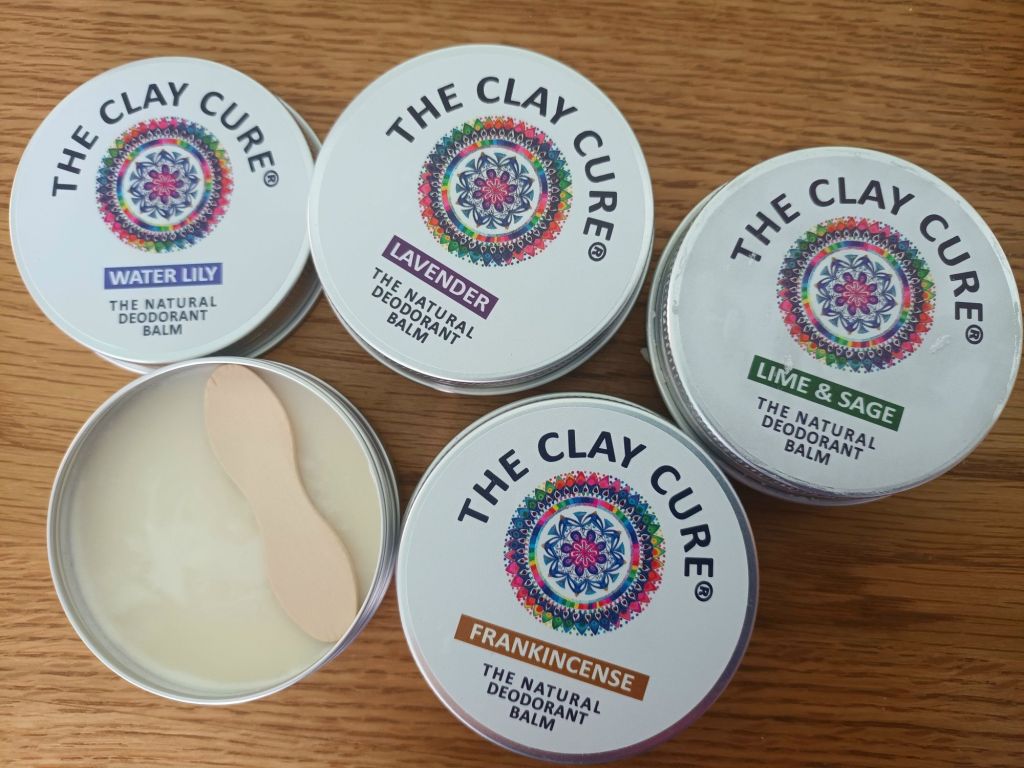
Tins of Clay Cure natural deodorant balm
The Clay Cure – deodorant in a tin

Reducing plastic is important to me but so is finding things that do what they say on the tin. The Clay Cure natural deodorant balm covers both these bases, it comes in a tin and does what the label says!

My search for a deodorant that is effective and easy to use is one that has lasted decades. I have tried rock-like crystal deoderants that had little impact; I have experimented with deodorant bars from Lush [one of my favourite companies] but found them messy and ineffective [but they do work for others] and I have tried doing without. The latter means I end up washing my clothes more often which uses more washing powder [in a cardboard box] and wears out my clothes more quickly, so isn’t a perfect solution.

So when I purchased a tin of The Clay Cure’s deodorant balm a couple of years ago, I wasn’t very hopeful that this would be the wonder product it is. Now I wouldn’t go anywhere without it.

For women and men, the deodorant balm comes in a small metal tin, not quite 7cm in diameter and around 2.5cm tall. It has a screw-on lid. Inside is a solid but soft deodorant, about the consistency of fridge-hardened butter [but it is vegan] [it is often softer in summer when the weather is warm]. The tin comes with a flat wooden spoon, familiar from tubs of ice-cream. You use this to scoop up a pea-size ball of the balm. Rolling this between your fingers warms and softens the balm and it is then easy to rub it in under your armpits. It disappears immediately, there is no waiting for it to dry, it isn’t greasy and it doesn’t stain your clothes.

I now buy in bulk from The Clay Cure website and, if you sign up for their newsletter, you will be notified when they have offers. There are currently eight different perfumes and a neutral deodorant. I like all of them, particularly the lavender and the lime and sage but you will have your favourite. You can find them on sale in other retailers such as wholefood shops and large farm shops.

If you buy two from their website, they are currently £8 each. I haven’t tracked how long they last but it spreads into months. There is no waste due to being packaged in a tin. This means you can get at every single bit of the balm. You are also left with a tin which is useful for storing all sorts of stuff from pins to peanuts or screws to sweets. Adding up all the plus points, this deodorant balm doesn’t feel like an extravagance.

Other easy wins in my aim to reduce our plastic footprint and stay reasonably clean and fresh smelling include solid shampoo, rather than bottles. We also always use bars of soap, rather than shower gel or liquid soap.

As usual, I have not been paid or even given any free products [I wish] to write this review. I share information about products I have found and enjoy using.

The Aerative Clothes and Boot Drier

Updated April 2024

We don’t buy gadgets! But this one has been so useful in our campervan I had to share it with you. Wet clothes and shoes draped around our small campervan make me stressed. They get in the way and make the ‘van feel damp. Some ‘vans have luxurious bathrooms with heating and you can hang up clothes there, shut the door and forget about it but this isn’t an option for us. Now, providing we have a hook up, the Aerative shoe and clothes drier takes the strain out of rainy days and laundry.

At £69 this has to be good, so what do get for your money? The Aerative comes in a draw string bag and takes up about the space of a small pair of shoes. Folded up it sits in your shoes but the drier also has a hook that unfastens so you can easily hang it up. It then opens out into a coat hanger shape, with air ducts along the arms. You simply plug it in and press go. It also comes with pegs for items that don’t hang up so easily, such as socks. Another advantage is that it only uses around one amp so won’t blow the campsite electric system or cost you a fortune if you’re on a meter.

To dry a shirt we hang the Aerative from a hook or from a cupboard door handle near to a plug, open the Aerative out fully, hang the shirt on the Aerative and switch on. It does dry fast but this will depend on the fabric of your shirt. We find that often the very bottom of a shirt remains damp and we will turn it upside down and peg it around the hanger to finish it off.

Drying boots and shoes is easy and there is no need to extend the arms into a hanger. In the folded position shown in the photograph above you can place each ‘arm’ in a shoe and switch it on. It takes a long time to completely dry a pair of soaked through boots but this and air drying overnight should mean you have dry boots the next day which is luxury.

The only downside to this useful piece of kit is the noise. It hums like a low-powered hair dryer so is fine while we are sitting reading or cooking but you wouldn’t want it on all the time. If you have a bathroom and can pop it in there and shut the door this will be less of an issue.

Twelve months on, I wouldn’t be without this piece of kit. It still fits in our downsized campervan and feels essential for drying wet gear and washing. If more campsites had a drying room [or it never rained] we probably wouldn’t need an aerative but in the real world …

I haven’t been paid to write this review or received a free piece of kit I merely wanted to share with readers something we have found that has made our camping experiences better.

Comfortable & Quick-Drying Women’s Underwear for a Campervanning Hiker

Post updated January 2025

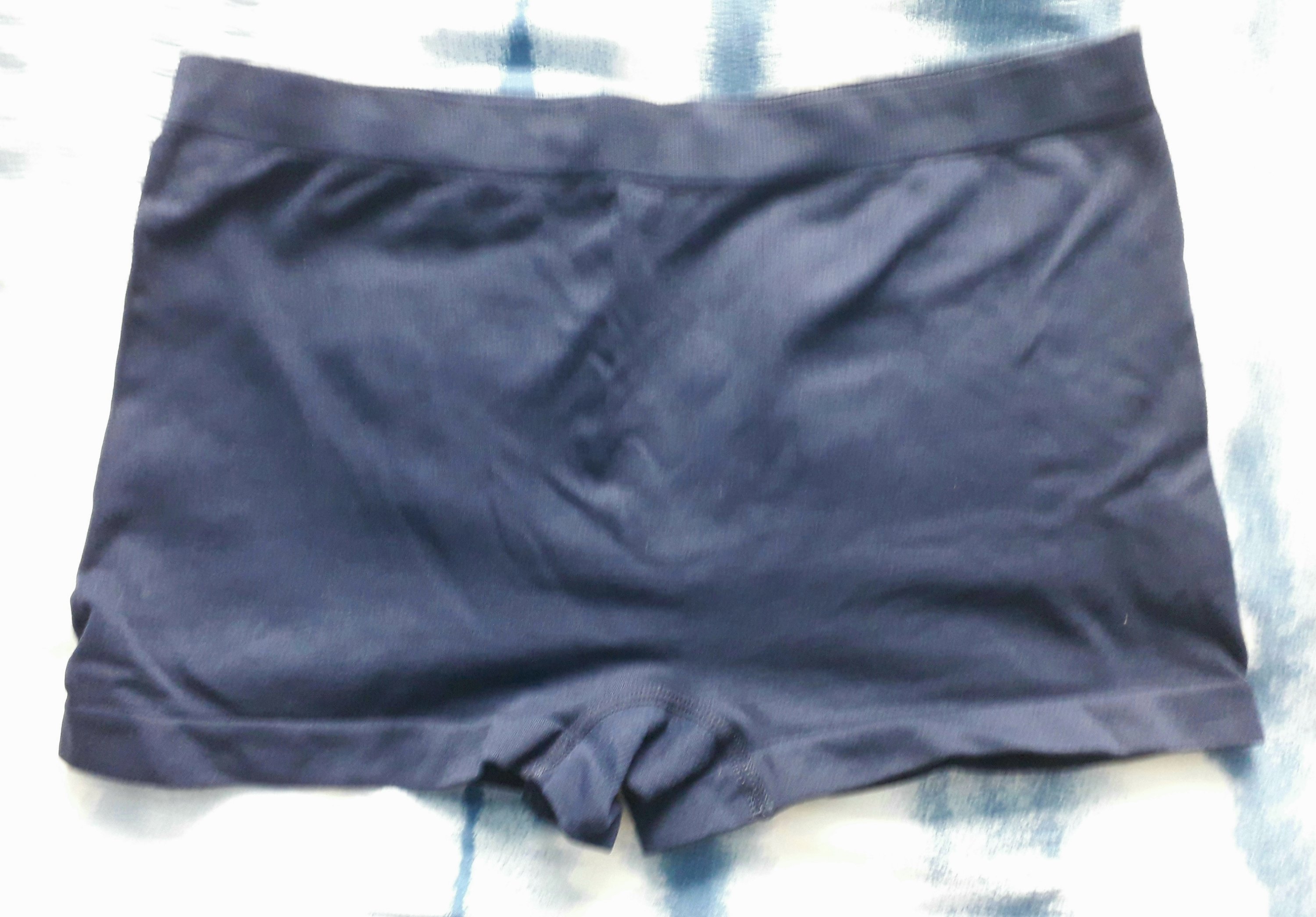
My search for good quality, comfortable and quick drying underwear for hiking and cycling when we are away in our campervan should have ended long ago. Fifteen years ago when we set off on our twelve month tour of Europe in our ‘van I purchased six pairs of Lowe Alpine Dry Flo pants that did the job perfectly. They were comfortable to wear even in temperatures over 30C, they dried overnight when I hand washed them and they out-lasted the year we spent away and are still going strong in 2025! When we returned home these were the only underwear I wanted to wear and I got online to buy more for everyday use. Imagine how devastated I was to find that Lowe Alpine had stopped making them. They reappeared a few years ago in the same perfect shape but different [and less sturdy] fabric and I stocked up on four more pairs but they have now once again disappeared from the shops. I should have stashed away a lifetime’s supply in 2009!

As readers are still finding this blog post, I have updated it for 2025.

A couple of years ago, with my old Lowe Alpine underwear still wearable but starting to show signs of age I once again began a search for good underwear. After hours online and at some expense, I purchased four different brands of underwear to try. I have tested these smalls while walking in the Yorkshire Dales and the Lake District fells. I have hand washed them and dried them in our campervan overnight. Below are my reviews of these four pairs of knickers that I chose from the many available. Please note, I have not received any of this underwear as a gift from a retailer [I wish] and my reviews are honest but do relate to my shape [I am a women’s size 12] and the activities I enjoy when I wear them.

In our campervan we usually wash our underwear out each evening and maybe socks, unless we are only away for a couple of nights. On longer trips we will hand wash t-shirts too, only using a washing machine when we need to wash towels and sheets. If it is sunny this washing can hang outside but unfortunately we don’t always get fine weather and we end up with knickers dripping over the sink. This isn’t something you ever see on those Instagram images of campervan life but it is our real vanlife! Having quick drying undies is as important as comfort for me.

The underwear tested:

  • Runderwear Women’s Running Hot Pants
  • Ortovox Women’s Hot Pants
  • Athlecia Women’s Mucht Seamless Hot Pants
  • Microfibre Boxers Ladies High Waist Shorts

Lowe Alpine Dry Flo – the original and the best. These are still keeping me comfortable after fifteen years! I am gutted that Lowe Alpine have stopped making them.

Runderwear Women’s Running Hot Pants, around £20. These are designed for runners and have a boxer-style fit. I find the seamless design is comfortable to wear and chafe free on long hikes. In many ways these are closest to my much-loved Lowe Alpine underwear. I haven’t tried them in extremely hot weather yet but my guess is they will perform well. The waistband is elasticated and feels substantial and I thought this might affect their quick drying properties but after handwashing they dried overnight in our ‘van. Two years in these feel good as new.

Ortovox Women’s Hot Pants with Merino wool, an extravagant £40+ worth of knicker. These are a generously-sized pair of pants, they feel soft and are like wearing what I imagine gossamer to feel like. I like to wear and buy natural fibres and the breathability of merino wool is refreshing to wear. They claim to be durable for years of use but only time will tell how robust they will be, they feel so delicate. I have had merino wool t-shirts that have lasted decades and others that haven’t done so well. They are a tad loose around the legs but they are still great under lycra cycling shorts. They wash well and dry overnight too. After four years they are still fantastic to wear, are my choice for a long hike and I splashed out on another pair in black.

Athlecia Women’s Mucht Seamless Hot Pants. At £25 for a pack of two, these are good value. The lightweight synthetic fibre fabric feels cool to wear and they are seam-free but the cut isn’t generous. These would suit you if you want more discrete underwear that isn’t high waisted and might be better on someone with a flatter stomach. I find I am constantly having to readjust this underwear around the crotch, not an attractive look! They wash easily and dry quickly but are not comfortable enough for hiking. After giving these a good trial I decided they weren’t comfortable enough to wear. They are still at the back of my knicker drawer!

Microfibre Boxers Ladies High Waist Shorts. For everyday use at home, when quick drying isn’t important, I wear microfibre undies for walking and cycling. The big downside is that they don’t dry quickly enough for hand washing and drying in our campervan. They would suit anyone who uses the laundry facilities when you are away or takes all the washing home. Unfortunately, the small company I orginally purchased mine from is no more, so I began the search for something similar. After many internet rabbit holes I found Outfigured. Their ComfyStretch Boxer Shorts are soft and easy-wear and wash well. At the moment they are only available from size 14 upwards. I would normally be a 12/14 but being so stretchy, their 14/16 works for me.

What are your experiences of good hiking underwear and quick drying smalls? Maybe there is a pair of amazing pants out there that I have missed . If so, do let me know in the comments below.

Using our Campervan’s Smallest Room

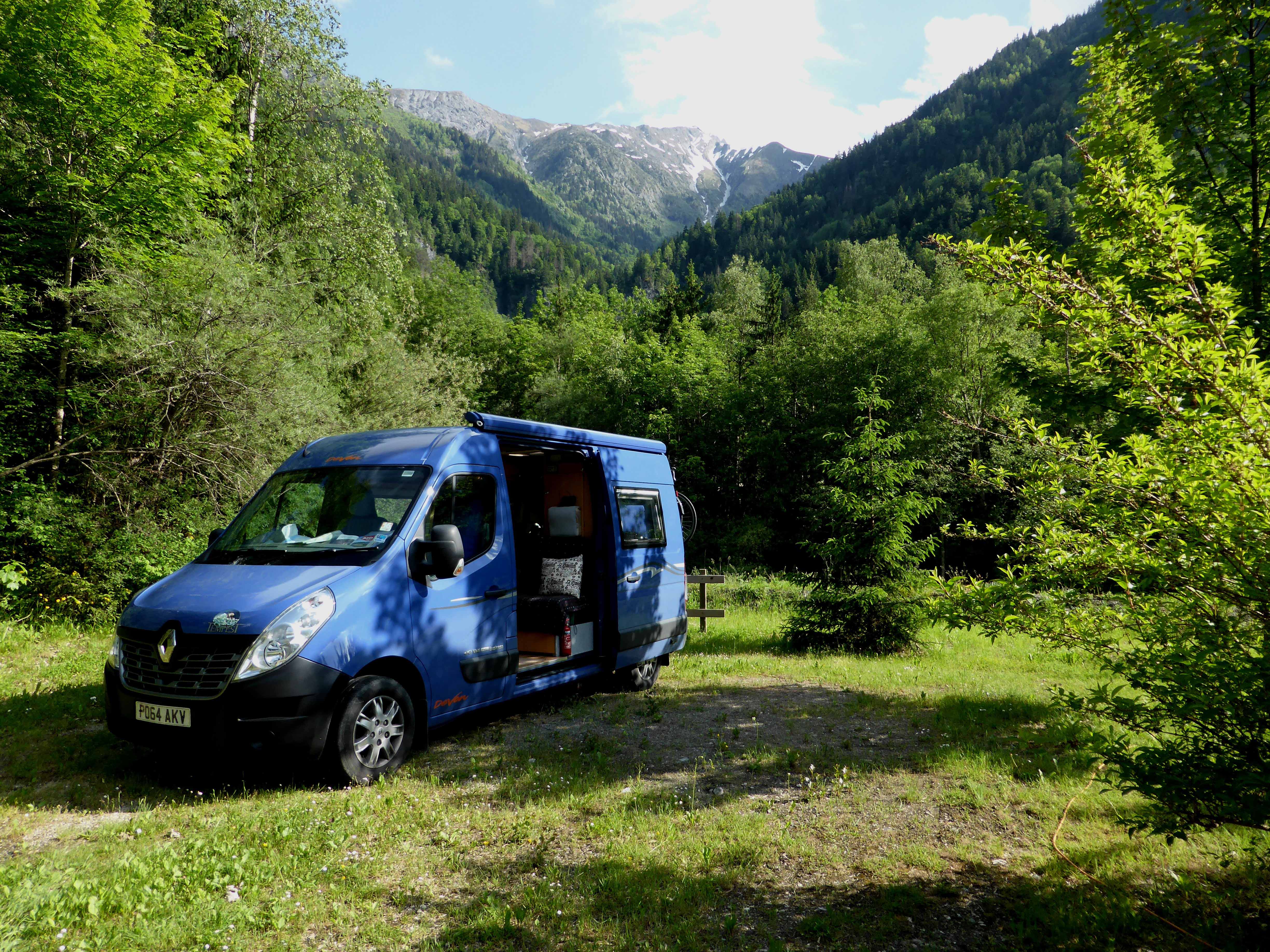
There are lots of choices when you buy a campervan and an important one is size and whether you need a bathroom or not. When we bought Blue Bus Three we had the experience of living with our two previous ‘vans and a bathroom had sneaked onto our priority list. While Blue Bus One had been a simple traditional VW conversion and merely had a porta potti in a cupboard, Blue Bus Two had felt luxurious with a screened-off flushing toilet at the back. The layout of our middle campervan had worked really well for us but we wanted to try going the whole way and buying a campervan with a small room that would be dedicated to our ablutions.

We only have a campervan [no car] and so also never wanted our ‘van to be too large. The Devon Tempest is still under 5.5m and, although we think it is enormous, is fairly petit by today’s standards but the converters have managed to fit in a whole bathroom. We made our choice but always in the back of our minds we wondered if we would actually use the bathroom or would it just become a neat storeroom that we hardly used for its real purpose.

From the start, the toilet and sink have had plenty of use and the privacy in the bathroom makes this a usable and fairly comfortable space. It was the shower that we never made full use of, the number of times we had used it before 2020 and coronavirus could be counted on two hands and we had occasionally discussed if it was worth having. On our camping trips we usually wild camp or free camp for just one night between campsites and on those nights we would manage with a spit-wash at the sink. The shower was a great fallback if a site had no facilities or the showers were cold or unsanitary. Then along came Covid-19 and all manner of restrictions on campsites and suddenly carrying a shower around with us didn’t seem so stupid. Last summer we used the shower more than ever and we have just returned from a four-week tour where showers were closed on every campsite we stayed on. How has that been?

I think the bathroom in the Tempest is better than many, particularly because of the ‘proper’ sink [not a fold up one] that is set in a worktop. This is always there, it feels substantial and is effortless to use. The only problem it has given us is the tiny plug; this kept popping out of the plug hole just when you had filled it with water! We shaved slivers off the plastic plug and this has helped and when we don’t want a shower, having an all-over flannel wash at the sink is easy.

Having a shower takes a bit more planning than a wash but it is such a refreshing feeling after a full rinse within the warmth and comfort of your own ‘van and so it is worth doing right. The first step is make sure we have heated up the hot water. We find it is best if we put this on an hour or so before we shower, any later and we get a tepid shower which is so disappointing. We have experimented with heating the water to 40C and 60C [the only two options on our ‘van] and find that 40C works best for us. We are keen to use as little water as possible and 40C is the perfect temperature with the hot tap fully on. This means there is no need to waste water while we adjust the tap to add cold water to get a acceptable temperature.

Once the water is heated up and the campervan heating on if it is cold, the next thing to do is remove anything from the bathroom that could suffer if it got wet. We take out the towels that hang on the back of the bathroom door and the toilet roll. Our bathroom did come with a shower curtain but we both loath these clingy things and don’t use it. This does mean the bathroom leaks slightly during our showers so we move any mats in front of the door.

Then it comes to the showering. The main objective for a campervan shower is to get clean while using as little water as possible. We don’t want to be filling the tank all the time, or emptying the waste tank and it is only fair to leave enough hot water for the second person in the shower. And so, with the shower on we get wet all over, then switch off the shower. After soaping up with a flannel we can quickly rinse off. This way we keep our shower usage as low as between two and three litres of water each [on hair washing night we use more].

My top tip when you are having a shower is don’t drop anything! In a small ‘van the bathroom is never going to be spacious and it’s best to take care never to drop your flannel or the soap as bending down to pick anything up in such a small space is nigh on impossible even for a short, reasonably trim person.

Because we don’t use much water on a campsite we can capture it in a bucket under the waste tap, rather than filling the waste tank. This is much easier to dispose of cleanly on site.

After we have both showered we wipe the whole shower room down with a J-cloth to dry it thoroughly and then keep the door open to let it air for an hour or so. Using our campervan shower means that both of us and our bathroom are always clean!

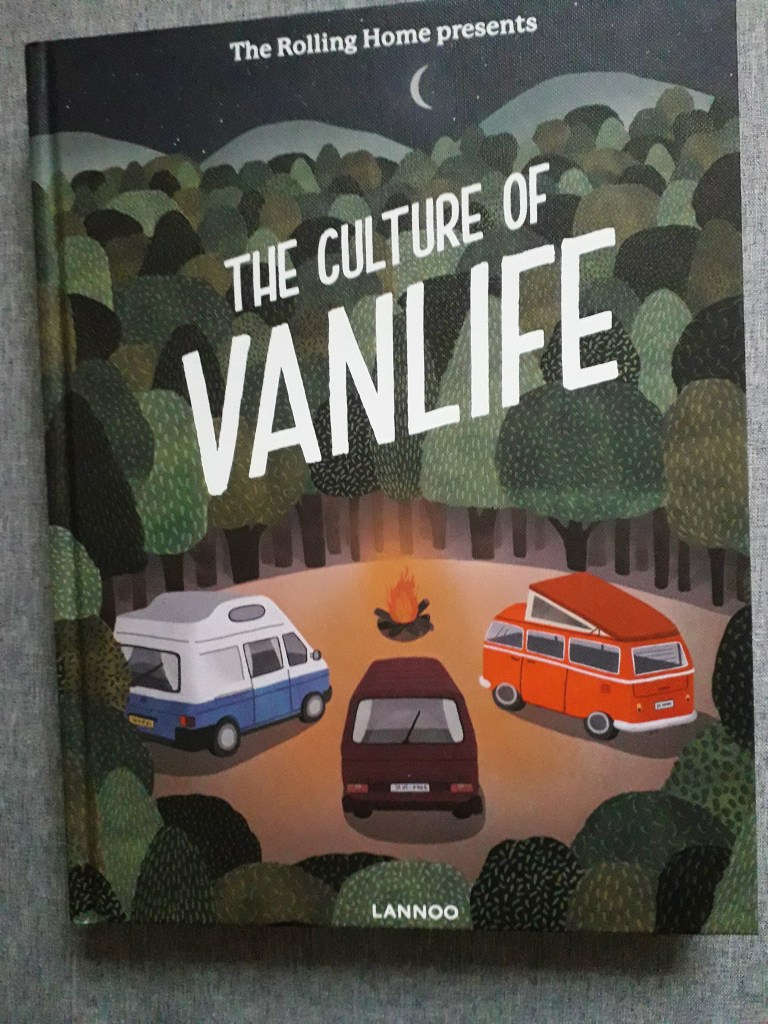
The Culture of Vanlife book review

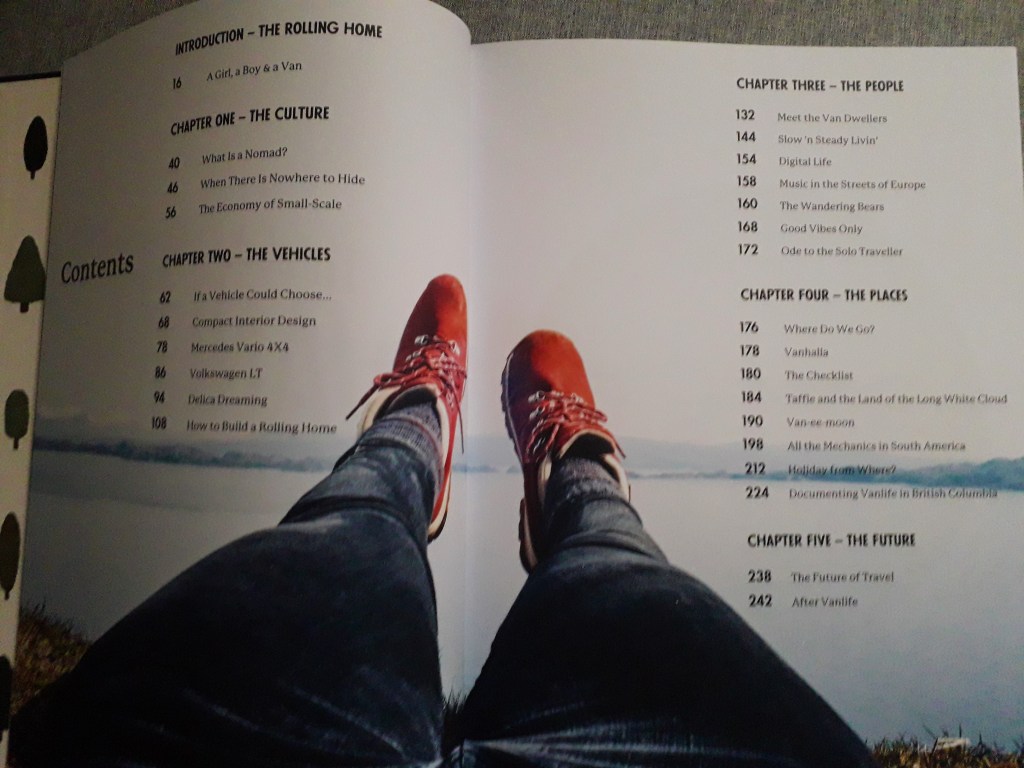
A book just about campervans!  You can imagine just how much that appealed to me.  I was lucky enough to be chosen as a winner of The Rolling Home book, ‘The Culture of Vanlife’ in a Twitter competition.  If you’re thinking of buying this for yourself or think that it might make a great present for the campervan lover in your life, here’s my review.

Firstly I wanted a bit of background about The Rolling Home.  In 2016 they published a photographic book and today they are producing regular journals which are a platform for campervan owners from around the world to share their passion for living in a van through a collection of stories, illustrations, interviews and technical advice.  The Rolling Home story involves Calum Creasey, Lauren Smith and a 1996 VW Transporter.  They have been travelling on and off since 2010, creating their dream van on a low budget with an eye for style and finding their own community. 

The Culture of Vanlife is a delightful book to flick through.  It is packed with beautiful drawings and photographs that make you want to start travelling.  With an eye for an evocative image, you could just gaze at the photographs and cartoons in this hefty book and be happy.

But how do the words stack up?  Once you start reading you find a collection of essays and chapters by different writers that aim to explore the culture of vanlife through the ideas and people that make it.  On the first page they sum up their way of thinking about living in a campervan, seeing them as, ‘Catalysts for happiness.’

There is plenty of variety here.  The first chapter discusses the perils of social media against the urge to be nomadic and appreciate the present.  I was interested in Mattias Wieles’ chapter about vanlife and minimalism.  Mattias and his girlfriend travelled for a year in a yellow van packed with everything they owned.

‘We sold everything, threw out all financial burdens, cut all redundancies out of our lives.  All our possessions fitted in our little van now; ties had been cut, jobs left behind, subscriptions to magazines and the gym cancelled.  We said goodbye and felt free as never before.’

Mattias writes that a shift in how they viewed their trip happened when they left Europe and adapted to having limited opportunities to buy food and fill up with water and they found a simpler life.  He sums up perfectly how living in a campervan eliminates anything unnecessary from your life until there is no hiding from who you really are.  With no fancy job, the latest smart phone or new clothes to shield you, vulnerability can materialise.  Mattias writes honestly about how the road changes you and that in this simpler world there is just the earth and the people you love.

There is, of course, a chapter on the vans, although no mention of the vehicles I have owned, a VW T4 and T5 or a Renault Master … enough said!  Let’s move onto interior design, where readers can see there is no right way to do it and everyone has a different idea of a perfect campervan.  If you are a self-builder you will enjoy the case studies.  There is something for everyone here, a 4×4 Merc, a VW T25, a small Japanese van, some technical info, a van with a wood burning stove and one with a roof-top bed.

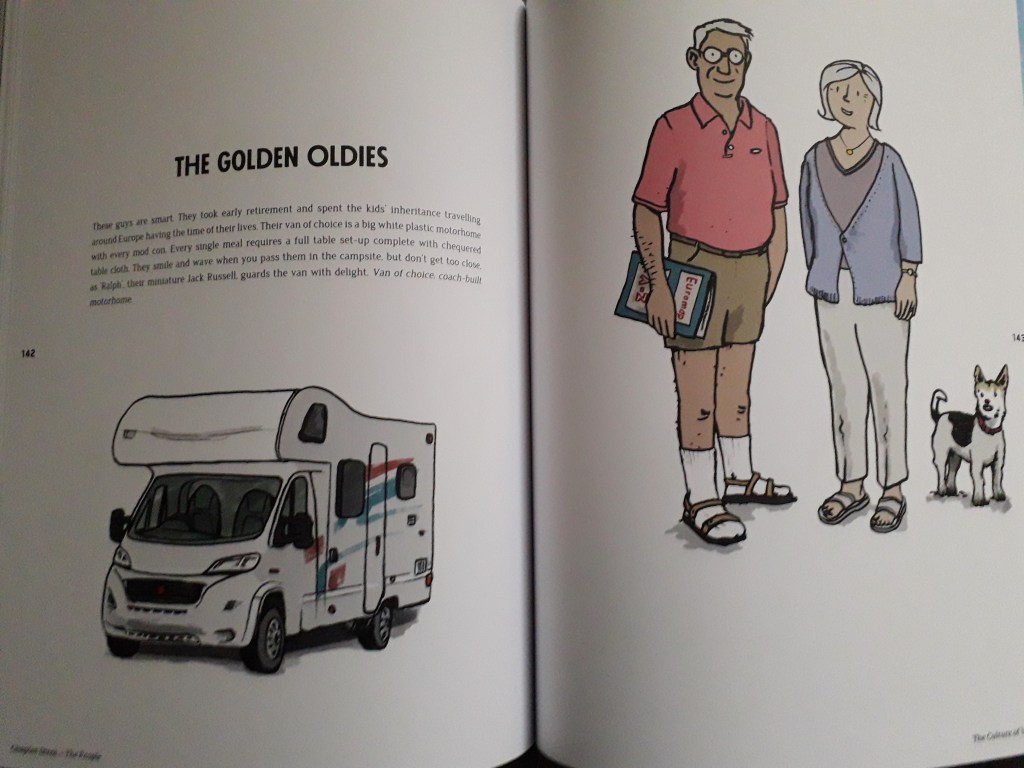
Chapter Three is about vanlife people and readers are invited to meet the ‘van dwellers.’  ‘The Adrenaline Junky’ fills her camper with kit for activities.  ‘The Digital Nomad’ is a working recluse who is always online.  ‘The Hipsters’ live in a Mercedes Sprinter and have a herb garden on the dash.  ‘The Eco Warrior’ has a recycled Transit van and ‘The New-Age Hippies’ have a converted horsebox which they share with their rescue dogs.  ‘The Golden Oldies’ have a coach built ‘van and travel around Europe spending the children’s inheritance.  These are just for fun; I don’t recognise myself in any of these vanlife profiles and there is still no mention of a Renault Master!

The real strength of The Culture of Vanlife is in the personal stories it tells.  Matt and Steph talk honestly about full-time vanlife as a young couple who spend six months a year on the road

‘For us, van living created a very intimate and close relationship.  Disagreements are dealt with immediately and we usually end up laughing about it an hour later!  As a result we have become excellent at communicating and knowing how the other feels, sometimes even without speaking.’

The thoughts on solo van travel might touch you; the van owners who make music and busk on their travels might inspire you; or reading about the family in a converted bus might encourage you to reconsider your life’s trajectory.

‘In Norse mythology, Valhalla is the great hall that warriors go to after falling in battle … there is a lesser-known land, Vanhalla.  Some say it is a fictional place, where camper vans and their inhabitants go to when they no longer travel.’

I hope I won’t be ending up in Vanhalla soon but this fantastic idea introduces a list of favourite places to travel, from Europe to South America, India and Canada.  There are stories from New Zealand and rugged British Columbia.  You will find plenty here to inspire your own trip.

This is a book that asks questions and tries to get beyond the hashtag campervan lifestyle on social media.  The book reflects on the tension between the simplicity of vanlife that so many people seek and digital connections that allow remote campervan fans to reach out to others.  The authors find both real communities and those in cyberspace and consider their value.

Yes, this is a book that will look beautiful on your coffee table and any campervan owner could buy it to browse and learn from.  If you are looking for a gift, I would suggest you buy it for that reflective and discerning friend who is yearning for a campervan.  If they sit down and read some of these stories they will either buy a ‘van and set off on their own journey the next day or realise the lifestyle isn’t for them.  Either way they will thank you for the present.


Owning a Campervan Tips the Scales: Plastic-free update #5

Croatia 2018 (38)
Market shopping makes being plastic-free easy

After 40 years I am beginning to realise I can’t save the planet on my own.  I have been really pleased to see ditching plastic and meat becoming more mainstream in the UK and I am glad that people are starting to talk more seriously about reducing flights and car use.  But as we reach the climate change crisis and I continue on my personal struggle to be better at caring for the environment it is hard to feel content with how the world is progressing.  Much of the current discussion has been about plastic pollution and the immediate negative impact this has on our wildlife and environment.  Plastic also has a massive impact on climate change from the moment the fossil fuels are extracted, through production and recycling or disposal.   With our current dependence on fossil fuels and plastic there seems little chance of reducing greenhouse gas emissions.

A lot needs to change but ditching single-use plastic would be a start.  And yet movement in reducing supermarket packaging is painfully slow and although there are small changes most continue to use plastic to prevent food being damaged in transit and to keep it fresh.  Zero-plastic shopping and avoiding throwing away colossal amounts of packaging after a shopping trip is now possible in specialist shops but this is not mainstream.  This reminds me of the days when vegetarians had to shop in local health food shops for essentials.  It wasn’t until supermarkets spotted this market that shopping got easier for vegetarians.

As a couple we are trying to be frugal as well as kind to the environment and we are in a losing battle.  Short of going back to work, the frugality isn’t an option; we are living on our savings and can’t fritter them away.  Much as I would like to support small zero-waste shops these are generally more expensive than supermarkets and not local and make staying on budget difficult.  Just at the moment it feels impossible to be both frugal and environmentally friendly and I am trying to accept that we have made changes where we can and it will never be perfect.

In the UK the average person apparently accounts for 6.3 tonnes of CO2 per year all of which contribute to climate change.  Despite my best efforts at small things, having a diesel-fuelled campervan means that my own environmental balance sheet is far from balanced.

Climate Change Wins

  1. Housing – We live in a small flat that is efficient to heat, we switch off lights, keep the temperature fairly low and put on jumpers when it is cold.  We wash everything at 30C and dry most things naturally [although we use the shared on-site tumble drier for towels to stop the flat getting damp].  We take short showers that last about two minutes, switching the shower off while we lather up to save water and energy.  [I used this carbon calculator to find out that our home has a carbon footprint of about 0.9 tonnes of CO2].  With energy and water use it is easy to match up our twin aims of frugality and saving the planet.
  2. Shopping – We buy soap and solid shampoo and use shaving cream and body lotion from Lush, not plastic free but they take the tubs back when you have five to return for recycling.  We don’t buy any make up.  Cotton handkerchiefs deal with our daily nose blowing rather than tissues.  Our washing powder comes in a cardboard box, we buy loose tea for home, rather than teabags, but this is still packaged in plastic inside the cardboard and our favourite Linda McCartney vegetarian sausages are packaged in cardboard.  We make our own hummus and bread and cook most things from scratch.  A few of these purchases are more expensive options but they fit with our budget.
  3. Eating out – We eat out but never buy lunch-to-go sort of items or plastic bottles of water or pop and don’t buy coffee-to-go.  These certainly save us money.
  4. Diet – We don’t eat meat but do eat dairy [a vegetarian diet emits around 1.7 tonnes of CO2 per year, much less than a meat-based diet] and we try and buy in season and local food as much as we can and a veggie diet is cheaper.
  5. Cleaning – We use scraps of old clothes and towels for mopping up in the kitchen and bathroom instead of paper towels and we buy toilet rolls from Cut The Crap which are wonderful and plastic-free.  We use a bar of Sunlight soap for cleaning.  On balance we probably save money here.
  6. Stuff – Being frugal we don’t buy lots of stuff, whether made from plastic or not.  We mostly buy second-hand furniture and clothes, with the exception of technical gear and shoes.  We don’t worry about being fashionable and make do and mend as much as we can.
  7. Getting around – Walking or cycling around Salford and Manchester is our default, whether going to the supermarket, the doctors or friends and this is free or cheap.  If we have to go further across Manchester we take the tram or bus.  We don’t fly long-haul and rarely fly anywhere at all [the last time we flew was to Milan in early 2017].
  8. Pets – Although we love cats, we don’t have a pet and instead I just watch them on social media and try and stroke any cat I meet, much cheaper options.
  9. Family – We had a child but only one [saving around 58.6 tonnes of CO2 a year].

Climate Change Fails

  1. Fruit and veg  – Our fruit and vegetables come mostly from Aldi and we come home with lots of plastic but our finances stay on track!  Our meals do focus heavily on things they don’t wrap in plastic but there are always items I want / need that come wrapped up.
  2. Milk  – Although not vegan we prefer soya milk.  This comes in tetra paks which are a mixture of plastic and paper and the small amount of cows milk we buy comes in plastic bottles [no milk deliveries to our flat].  The BBC told us that oat milk has the lowest impact on the environment and I did try making my own once!
  3. Food – Plenty of other food items we eat come in plastic; margarine, cheese, tofu, crisps, washing up liquid, nuts, pasta and rice and more and I have a weakness for Warburtons crumpets that come wrapped in plastic.  We aim to spend less than £300 / month on food and drink in supermarkets, cycling across Greater Manchester to buy zero-plastic rice and couscous could be done but something else would have to give.
  4. Toothpaste – I have looked at toothpaste tablets and haven’t found one that contains potassium nitrate to ease my elderly sensitive teeth.  There are ones with fluoride and the price is reasonable [£2.40 for 60 tablets] so I alternate tablets with tubes.
  5. Clothing – We remain fans of technical quick-drying and hard-wearing clothing and wouldn’t really want to go back to wool or cotton for our hill walking and outdoor lifestyle.  We buy quality items that will last, only wash them when we must, mend them and wear them as long as we can but I am sure some of them probably contain micro-beads.
  6. Scouring – For stubborn cooked-on food we have a wooden pot brush but also buy cheap plastic scourers as we don’t have a dishwasher and need to get things clean by hand.
  7. Clingfilm – I admit that we have a roll of clingfilm!  We have owned this particular roll for around 15 years.  Occasionally this is useful but we might not buy anymore when it eventually runs out.
  8. Campervan – We drive a diesel campervan about 10,000 miles a year; after our flat this is the most expensive thing we own.  We only drive it for long distances and it can sit around for a couple of weeks not moving in the winter.  According to the carbon calculator this van accounts for around a massive 4 tonnes of CO2 a year.

Sell the campervan you say!  Do I really need a campervan?  Could I do without the fun of travelling to beautiful places and eating and sleeping in my own home?  It is clear that owning a campervan has a massive impact on both our budget and the environment.  It negates all the small wins, they are just tinkering around the edges.  Until we get rid of our campervan we’ll always be part of the problem and buying loose courgettes or giving up Warburtons crumpets will not shift the balance in favour of the planet.  And so for the moment I accept I am a failure.


An Eye-opening Guide to Wearing Glasses with some Iconic Spectacle Wearers

beach-blur-close-up-690887 (1)

For as long as I can remember I have been visiting opticians.  I have worn specs since I was a small child and these days I am at the opticians every couple of years to have my eyes checked out.  I was born with a right eye that was called a ‘lazy eye’ [amblyopia] something around 1:50 children develop.  This right eye never opened fully and despite treatment as a child [a plaster over the ‘good’ eye and drops to encourage the left eye to do a decent day’s work] all I can see through that eye is a blur.  Because I really only have one working eye I make sure I take good care of it and I blame it for my inability to play tennis!

These days I love buying new specs.  As they are something I wear all the time it is a treat to get new ones and I choose different styles every time in the hope that someone will notice.  Over the years I must have worn every style of glasses,  rainbow-coloured plastic frames with large lenses in the 1980s,  turquoise narrow metal specs and chic black designer frames.

As I was choosing my last new specs [two pairs one for sunglasses and one for cloudy days] I got chatting to the helpful member of staff.  I had chosen a pair of metal frames that had round lenses and I asked the assistant, ‘Do they make me look like John Lennon or are you too young to remember John Lennon?’  He laughed and politely said they looked good, adding, ‘John Lennon is one of the most popular spectacle wearers customers mention, along with Harry Potter.’  Slightly put out that I hadn’t been more original, I tried on another pair with large lenses that reminded me of another famous spec wearer, Deirdre Barlow.  We are in Salford so despite the assistant’s tender years this was another familiar name; Deirdre was well known for the big glasses she wore in the popular soap, Coronation Street.

As Mr BOTRA and I walked home we mulled over other iconic spectacle wearers, perhaps I could have come up with fresher examples.  We considered how Woody Allen would seem undressed without his black Moscot specs.  Mahatma Ghandi is familiar in his round metal-rimmed glasses, similar to those of John Lennon and perhaps a more creative suggestion next time I am at the optician.  Other famous spec wearers came to mind.  It is reported that Elton John owns thousands of pairs of specs in a rainbow of colours; Dame Edna Everage sported stunning ornate frames or ‘face furniture;’ Bono is a man many of you will think of wearing shades; and [even though she changes her glasses frequently] I always picture Billie Jean King in a pair of thick plastic specs.

In the 1970s wearing glasses wasn’t at all cool, although they always made you look more intelligent!  As a child I hated being the only one among my friends that had to wear specs and for a short time as a teenager I stopped wearing them at all.  I pretty much had little idea what was going on around me during that period as the world went by in a blur but it was a time when I didn’t really care to engage with the world.  Contact lenses aren’t really a good idea when you only have the one functioning eye and specs were my only option.

Fortunately, my first job was working in an optician’s shop and the only perk was free specs; at last I could buy something more up-to-date that I was prepared to be seen wearing!  My enthusiasm for the variety of spectacle frame design began here.  Today I am happy wearing my specs and I am grateful to all these iconic spec wearers for making it fun and even trendy.


Trekmates Poncho: A Review

P1120052a
Modelling the Trekmate poncho

 Updated April 2025

Okay, so this won’t be the most trendsetting and smart bit of gear you will ever see me wearing but it is certainly proving to be practical.  We both own cagoules, waterproof jackets that are perfect for when the heaven’s open.  We live in the north-west of England and have been bought up to carry these cagoules on every walk, even if there isn’t a cloud in the sky, as in our unpredictable climate you just never know.

Cagoules are fantastic in winter but even when made of Gore-tex they can get hot and sticky in a summer shower.  Last year at the Upton Blues Festival I noticed lots of people were wearing ponchos in the rain and these looked both practical and comfortable.  We don’t buy anything on the spur of the moment but started the process of thinking and researching ponchos.

It seemed the poncho market is broad and we could buy expensive or cheap.  Generally with hiking gear I will opt for quality over budget options but as this was a new bit of kit that we were not completely sure would ever be useful we decided to be cautious and frugal.  Dipping our toes in to the waterproof poncho market we bought these Trekmates ponchos for £20 each in 2018. [2025 update: Trekmates now do a range of ponchos from £35-£55.]

After even a short time these ponchos are proving to be perfect for those short sharp summer shower that we often get in the Alps and in UK.  In this sort of weather the temperature doesn’t plummet too much and putting on a cagoule, even a breathable one, can be a sweaty experience.  We prefer to stay dry and walking in the countryside there isn’t always a bus stop or hut nearby to shelter in.  As well as being perfect at a festival these ponchos are now our go-to option on those hiking days when there isn’t a cloud in the sky and but we want to pack a just-in-case waterproof.  As the ponchos are lighter and less bulky than our cagoules I am sure we will use them often in our trips to southern Europe.  This will mean that our expensive Gore-tex cagoules will last that bit longer.

The Trekmate poncho has a number of other plus points over a cagoule:

  • They come in one size so if you are as short as me [162 cms] the poncho is long enough to cover your shorts and keep them dry.  Mr BOTRA is a bit taller but the poncho would still cover his short shorts!
  • The poncho’s are big enough to go over your rucksack as well as you and keep that dry
  • The poncho’s come with a stuff bag so they pack away neatly
  • This is a light piece of kit that doesn’t take up much room in your pack

These ponchos only come in black and the design is very simple.  At the front there is a large pocket that might be useful to keep any map dry during the shower.  There is a zip at the neck and a flap and the hood is a generous size.  In the body of the poncho there are two holes with Velcro to stick your hands and arms out of if you need to.

The only downside we have found is that if it gets windy the ponchos can billow.  I think if it is that windy it will most probably also be cold and we would be carrying cagoules and waterproof trousers anyway.

We decided to buy at the cheaper end of the poncho market for our first purchase in case these proved to be something that we never actually used.  We have now owned these ponchos a almost seven years and they have more than proved themselves. Other than one of the press studs at the neck breaking off, they continue to keep us dry in short summer storms and light rain and are perfect to carry just-in-case.

I am now a convert to a different way of keeping dry on the hills, even if I don’t look like the most stylish walker.  If you see me please don’t laugh too much!


Why I love cooking with my RidgeMonkey grill

2018 March Devon Conversions meet Melton Mowbray (29).JPG
Aubergines cook well in the RidgeMonkey

I bought a RidgeMonkey grill / sandwich toaster after a recommendation from another campervan owner [thanks Andrew Ditton] and what a revelation it has been, almost transforming my campervan cooking overnight.  We generally have home-cooked food in our campervan, eat out in restaurants only on special occasions and only buy occasional veggie sausages for a fast food meal, so cooking is an important activity in our campervan.  Previously I have struggled, even with a lidded frying pan, to get my cooking really hot when trying to brown or char peppers, aubergines, asparagus and other vegetables.  They would cook but the pan never got quite hot enough to get them beyond soft and cooked to that attractive golden brown finish.  Making Spanish omelette was problematic too as they took a long time to cook through.  All these problems have now been solved by splashing out [£22] on a RidgeMonkey sandwich toaster.

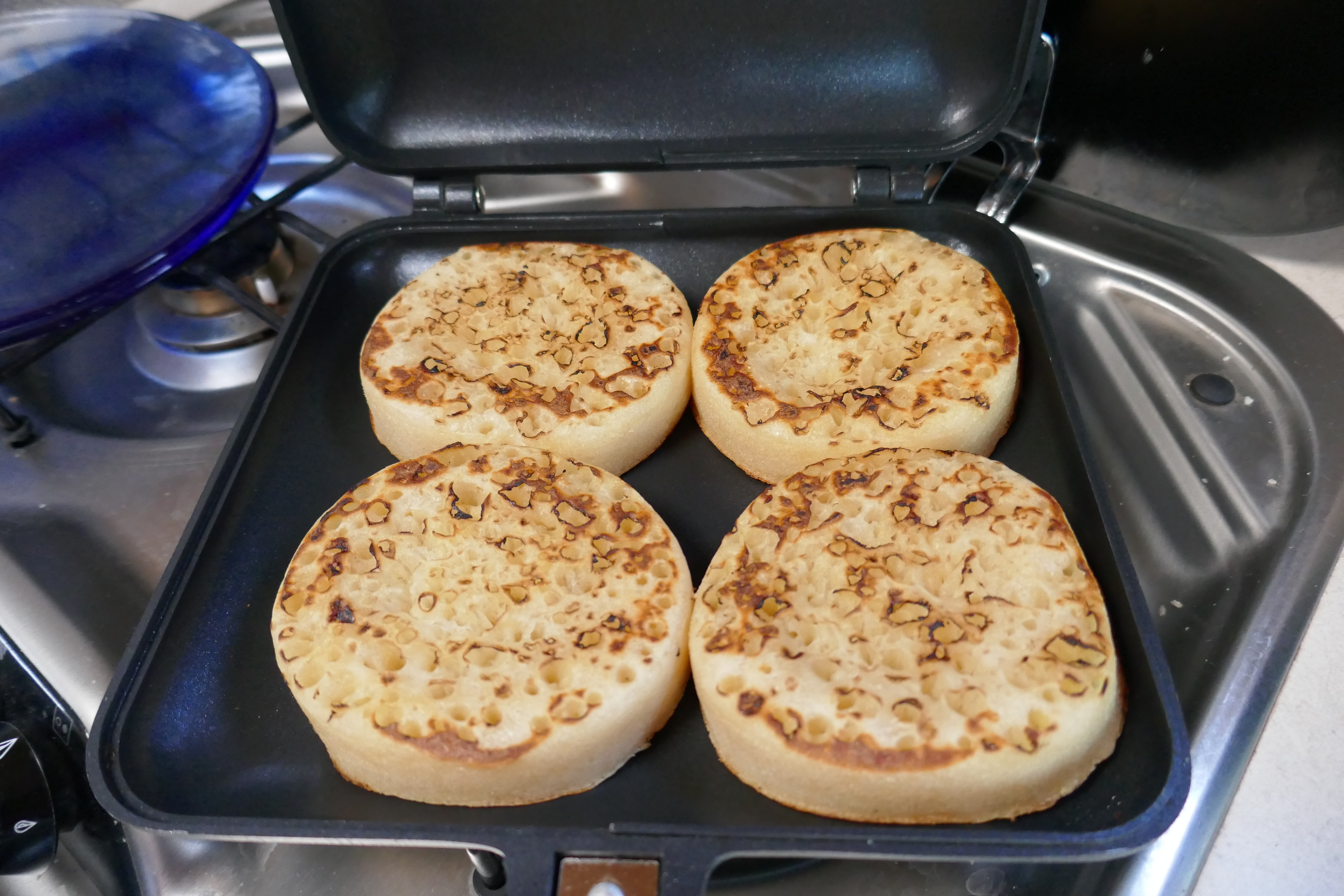
This wonderful item is sold to anglers as a sandwich toaster, enabling them to make a hot meal while on the riverbank but it is so much more than that.  I am sure it will make toasted sandwiches but I use it for vegetables, omelettes, warming crumpets, hot cross buns or baking fresh pitta bread and I feel sure over the years I will find so many more uses for this practical and versatile piece of kit.  Other people report using their RidgeMonkey to create a full English breakfast and roast potatoes, the list of things you can cook in this wonderful pan is only as long as your imagination.

The RidgeMonkey opens in to two identical halves, both with a non-stick finish and each is just over 2 cms deep.  The dimensions of the XL are 20.5 x 18.8 cms, so it isn’t enormous and I would suggest you buy this size as it works well for cooking for one or two.  The long handles stay cool and fasten and clip together allowing you to turn it over and cook items such as omelettes or hot cross buns on both sides without turning them over.  This mechanism also locks in the heat and means I can enjoy golden brown aubergine [and other veg].  With a non-stick finish the RidgeMonkey is easy to wash and they now come with a selection of utensils that won’t scratch the non-stick finish.

Crumpets
Crumpets in the RidgeMonkey taste better than ever