Failing frugality: Year two of financial independence

05.28.2018 Lago di Corlo walk (2)
The pan is empty

It is now over 18 months since I finished the nine-to-five and 15 months since Mr BOTRA last had any paid work.  At the end of 2017 I was feeling pretty smug as our spending of £24,000 in our first year of retirement was well under budget – clever us I thought.  Now it feels as if all manner of expenses were just waiting in the wings for year two.  We are just over half way through our second year of spending our savings and we are on target to spend £3,000 more than last year.  You may recall £27,000 was our budget for each year. What has gone awry?

The campervan

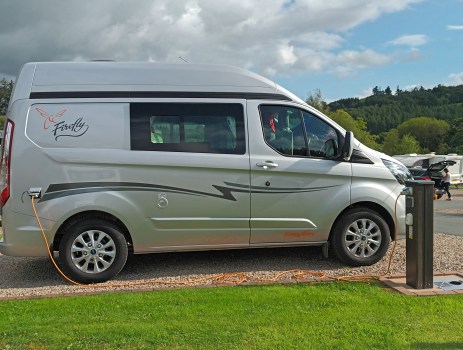
Just over £1,000 of our additional spending in 2018 has been on the campervan.  Our Devon Tempest is now over three years old and with over 30,000 miles on the clock has needed some TLC this year; two new tyres [it will need two more before the end of the year], new brake pads all round as well as general servicing.  The conversion has also needed a bit of work as we had to have the water level sensor replaced.  There have been other odds and ends such as a new kettle and replacement levelling blocks too.  This year has been spend, spend, spend on the ‘van.

Holidays

Holidays remain our priority.  As well as the usual costs for ferries and campsites we have had a long weekend in Milan this year for a significant birthday [not the cheapest city to visit and our trip cost just under £1,000] and we have paid almost £400 up front for a holidays for 2019.

Health

Our health is important but this has been the year we have both had to have new specs and Mr BOTRA has had some expensive dental work, totalling over £900.

Clothing

We wear everything until it falls apart and when it comes to gear we like to buy quality kit but with so much free time we are out walking a lot of the time and it seems that even quality gear doesn’t last forever.  This year we have had to replace walking shoes and other bits and bobs of clothing, pushing this budget line to over £800 already this year.  Last year it was much less, maybe next year it will be too!

Increased cost of living

We know the cost of food has increased in the UK and we have noticed this in our spending.  In 2018 we are spending an average of around 16% a month more than we did in 2017.  I don’t think we have changed what we eat or where we shop so this must be related to an increase in the cost of fresh vegetables and other staples.  In addition with the pound falling against the euro our supermarket shops on our holidays abroad have become more expensive.

Don’t panic

We monitor our spending so that we can keep it in check and avoid any problems but there are three reasons why we aren’t in a panic yet about this increase in our spending.

Firstly, we had given ourselves what we thought was a generous budget of £27,000 a year and we are currently projecting around that amount for 2018.  It could be that our first year of not working was particularly cheap and the budget we set was accurate rather than generous.

Secondly at the moment my travel writing income will more than cover the £3,000 projected increase in our spending for 2018 over 2017.

Thirdly, we have that emergency fund.  We are glad we saved what we needed and a little bit more to give us a cushion in the tough times.  This emergency fund increased last year as we spent under our budget and it increases every time I have a travel article published.  We don’t really want this to dwindle to nothing and hopefully it won’t.

Looking ahead

On reflection our campervan, our health and our trip to Milan together more or less account for the increase in our spending.  Only the wonderful trip to Milan was really optional and we won’t be repeating this in 2019.  We will keep monitoring our spending and see if we need to revise our budget and perhaps rethink some of our regular spending.  We have already arranged to switch our gas and electric supplier to save us a small amount and we have come up with some new water saving ideas too but there are others areas of spending that we could pull back on if we need to in the future to keep us on track.


Campsites during our trip to Croatia, Italy & France

06.15.2018 Le Poet Celard (3).JPG
The lovely campsite at Le Poet-Celard

During our trip through Germany and Austria to Croatia [with occasional excursions in to Slovenia] and on to Italy and France we stayed on 37 campsites.  Each site has some notes about our experience of the site:

Campsite nameNumber of nightsCommentsCost
Camping Freizeitzentrum, Sagemuhle, Trippstadt, Germany1Large site by a small lake with bar & restaurant, lovely clean faclities, very hot water & indoor wash up, grassy pitches on well drained soil & open site, very good bread rolls£19.50
Hofgut Hopfenburg, Munsingen, Germany2Open site above the town with hard-standing walking from site in woodland, facilites excelletn, clean, warm, very hot showers, indoor wash-up, drying room, fresh bread, great site for €15.  For a fuller review read here.£15.00
Alpencamping Mark Weer Austria2Green site with grass & trees & friendly welcome, walking & cycling, clean facilities, good hot showers, bread rolls & lots of info£17.00
Camping Goldeck Seeboden, Austria1Grassy terraced site with clean facilities, building work going on & entrance steep, facilities dingy & cold but warm water, air of neglect£19.00
Camp Slapic, Duga Resa near Karlovac, Croatia3Nicely laid out site with open & shady pitches by river, English spoken at reception, lovely modern facilities, bar & restaurant, walking & cycling & railway station 5 mins away£19.00
Camp Marina Lozovac Sibenik, Croatia2Small site with marked pitches & some shade, clean facilities, roomy shower/wet rooms & hot water that runs continuous 2 kms from national park & excursions from site£15.00
Autocamp Peros Zaton Nin, Croatia1Small site, friendly welcome, grassy with trees, facilities basic but the water is hot & showers fine, peaceful, a few kms to Nin a lovely old town£17.00
Bluesun Camp Paklenica Starigrad, Croatia4Large site by the sea with bungalows & chalets, stony ground, level & pine trees for shade, modern facilities & good hot showers with no push buttons & roomy cubicles near the town£17.00
Hostel Plitvice Rastoke Camperstop, Slunj, Croatia1Car park with fantastic views over the river gorge to the town and EHU.£15.00
Camp Slapic, Duga Resa near Karlovac1Different pitch, the site now has bread in restaurant£19.00
Vugec Plac Camper Stop Samabor, Croatia2Small site for 4 vans, flat & grassy with 1 bathroom & sitting area / itchen & pool, all new & clean, hedged & gated in peaceful area with open views, good hot shower, friendly owner£20.00
Terme Olimia Camping Podcetrtek, Slovenia1Clean facilities, shaded pitches, aquapark not open so fairly peaceful but some road noise£17.00
Camping Terme Ptuj Slovenia1Grassy site, pitches in circular areas, busy with group from Netherlands, good hot showers£19.00
Camping Amarin Rovinj Istria, Croatia2A large grassy sloping site with trees, facilities basic but clean & hot water, fresh bread & shop water taxi & bus to Rovinj£17.00
Motovun Motorhome Parking Motovun, Croatia1Sloped gravel parking area for 12 vans, some trees only 1 shower & 1 toilet per sex, good hot showers & water by pitch£25.00
Camping Park Lijak Active Sempas near Nova Gorica, Slovenia1Grassy site with views of hills, friendly welcome, facilities modern & clean, water in showers only just warm enough, €5 tourist tax£17.00
Belvedere Pineta Campng Village Grado Italy3Large site by lagoon in pine woods, good size pitches, cycling routes from the site, no toilet seats or toilet paper, €17 on ACSI (we used some free camping cheques) good hot showers, supermarket, restaurant & bleach, wi-fi €5 a day£0.00
Lago 3 Comuni Alesso, Italy2Small site with pleasant bar, small pitches, showers push button & barely warm but facilities clean by a lake & mountain views£21.00
Sosta Barcis, Italy1Level car park by lake & cycling from site, small town with some shops, toilets nearby & water & electric on pitch, some music noise until 01.30 it was Saturday£14.00
Camping Lago Arsie, Italy2Level grassy site by lake with shop & restaurant, good size pitches, very little shade, helpful reception, showers hot but showerheads a burst of water rather than a shower, facilities modern£19.00
Camping Valle Verde Predazzo, Italy3Excellent & peaceful site in mountain valley, given a map of 10 local walks & cycle routes, facilities clean, toilet paper & paper towels, good hot showers£19.00
La Sosta, ponte di Legno, Italy1Car park on the edge of the mountain town with cafe & hook up, slight gradient, toilet with cafe, water on pitch£15.00
Camping Presanella Temu, Italy1Lovely views from this grassy site, clean facilities, cycle route from site, free wi-fi, hot showers but no heating in facilities£28.00
Camping Covelo, Iseo, Italy4Small site between lake & railway line, cramped pitches, friendly & helpful staff, good hot showers & clean facilities, near to town, extra €2 for lakeside£19.00
Montgenevre Aire, France1Large gravel aire with views over the village & mountains at 1,859 metres£13.00
Le Glandasse, Die, France2Large friendly site by the river popular with Dutch, marked pitches, showers small & push button, clean & almost warm enough, no toilet paper£13.00
Champ la Chevre, Lus-la-Croix-Haute, France1Sloping site with few level pitches but open views to the mountains & by village, indoor pool, good hot showers & clean facilities£15.00
Les Chapelains, Saillans, France2Small site by a town, friendly welcome, marked pitches, facilities open & showers only lukewarm & push button£15.00
Les Clorinthes, Crest, France1Level site with trees, friendly welcome & near to the town, facilities clean, showers push button & could be warmer£17.00
Le Couspeau Camping, le-Poet-Celard, france2Terraced site with wide open views across to hills, friendly welcome, 5 hrs of free wi-fi, all facilities, peaceful location, modern facilities & good hot showers, restaurant & bar£15.00
Camping de Mars, Cordelle, France1Overlooking the Loire, peaceful spot, facilities a bit dated & showers tepid, friendly rabbit, paid with free camping cheques so only paid tourist tax£1.10
Couleurs du Monde, Montrichard, France1Level site next to supermarket & 1 km from Montrichard & the Cher River, wrist bands obligatory, facilities clean but water tepid, popular with English£15.00
Les Acaacias Camping, Tours, France2Level site with some road noise, friendly & helpful welcome, good facilities, showers roomy & warm enough, 7 kms cycle route to Tours£17.00
Camping Les Plages de Loire, Rochefort-sur-Loire, France1Flat site by small town between Le Louet & Loire, facilities mixed, showers have been updated but were not very warm & push button, wash up is somewhat grim, pitches marked but narrow£13.00
Les Paludiers, Batz-sur-Mer, Le Croisic, France2Large rambling site with marked pitches, some very sloped, showers were roomy with sinks & warm enough in good weather, helpful reception£17.00
Municipal Campsite Corlay, France1Grassy area by play ground with hook up for 4 vans, toilets, basins and showers that were hot & good but a bit scruffy, no one came to be paid£0.00
Riva Bella, Ouistreham, France2Flat site near town & supermarkets with indoor pool but also peaceful corners, modern facilities, roomy showers with wash basins that had warm water£17.00
Camping La Fontaine des Clercs, Montreuil, France1The pleasant aire was full so we used this terraced site with some small pitches & dated facilties, free wi-fi, showers tepid but very hot water in sinks, popular & busy£19.90

Bee In The City: #surprisingsalford #30

Bee in the City

Through July to September this year Manchester is buzzing with the Bee in the City art trail that is getting people exploring corners of the city finding these colourful large bee sculptures.  I am so pleased that a few of these bees have made it over the Irwell in to Salford and we have discovered and admired the ones at Salford Quays.  Spend any time in the city at the moment and you too will enjoy seeing families seeking out these bees.  Check your social media accounts and you will spot photographs tagged #BeeInTheCity.

These big bees make fantastic and engaging public art.  People are tweeting about their favourite big bee and challenging themselves to find all the colonies of little bees in various venues around the city.  Hopefully some of these people are also thinking about the beauty of bees and the threat many species of bee are under – did you know that over 270 species of bee have been recorded in Great Britain?

It is thought it was the industrial revolution that started the association between Manchester and the bee when the productive factories were hives of activity.  In 1842 the bee was incorporated in to the Manchester coat of arms, dotted around the globe.

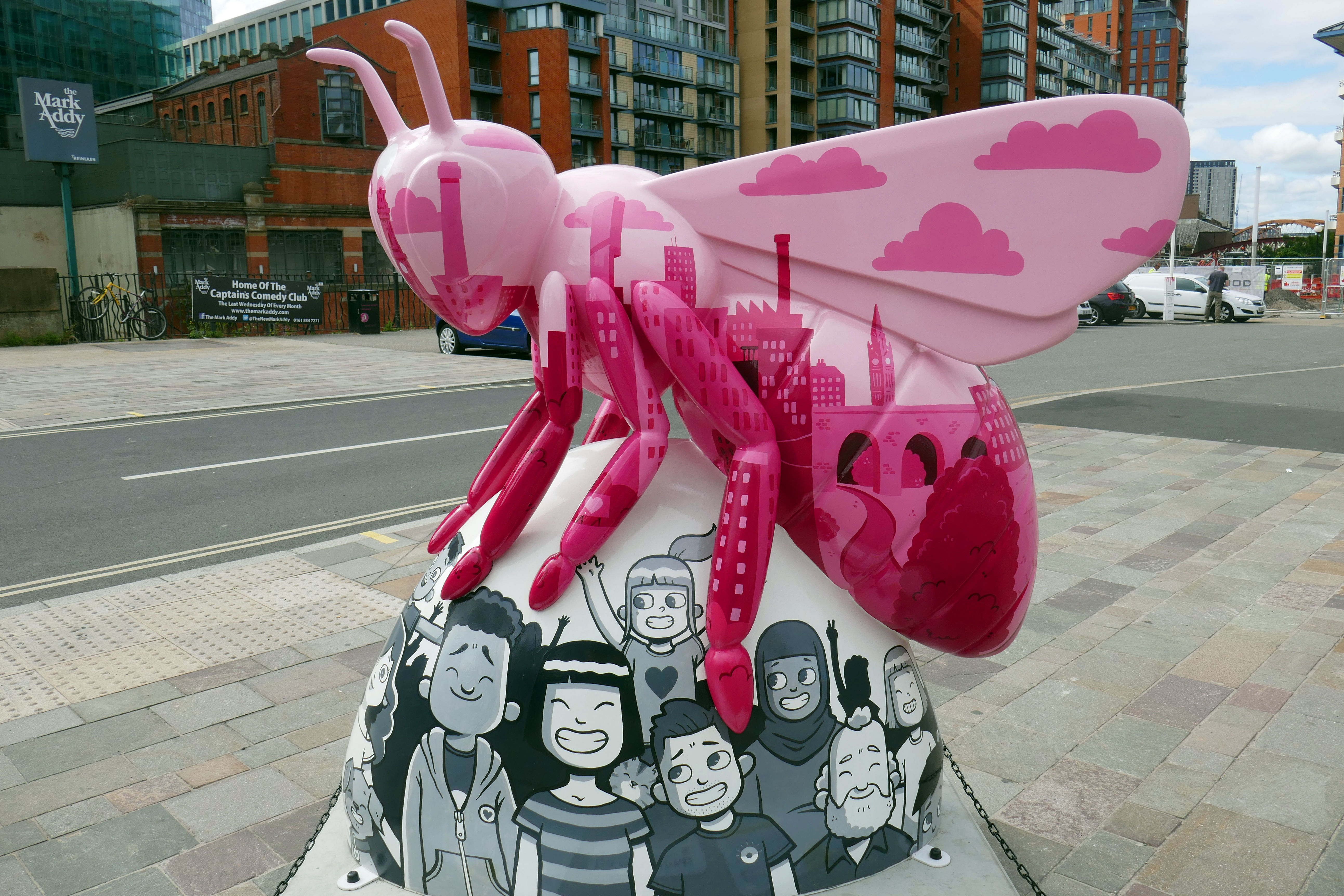
I haven’t followed the trail but instead have stumbled upon bees as I walk around the city.  I came upon this bee in Salford City Council corporate pink on Bridge Street by the New Bailey and the River Irwell.  Created by the artist Hammo, this bee has a stylised depiction of the Manchester skyline on its body.


Life in the day of a travel writer

06.22.2018 Batz sur Mer and Le Croisic (4).JPG
The beautiful bay at Batz sur Mer


Is being a travel writer non-stop glamour, always in business class on the plane and being wined and dined at the launch of a new hotel?  Well it isn’t like that for this campervan travel writer and I wouldn’t have it any other way.  I only write about my travels because I enjoy sharing the wonderful places I have visited and want to inspire others.  Each trip I make is a real trip that we have paid for ourselves and are trips that anyone with a ‘van could make.  I am not interested in writing about luxury tours that I wouldn’t make if someone else wasn’t paying.  I guess if you are a travel writer or editor invited on to press trips for the PR then your days might be glamour-packed but for the travel writer without a commission this is a long way from reality.  First and foremost the trips we follow in our campervan are our holidays, the payment I get for writing about it is a bonus that comes after the event.  Below might give you some idea about how much work it takes to create an article.

The work starts even before you pack a bag

Research – This can start months before we set off on a trip.  I read travel books and articles, watch TV programmes and follow other travel bloggers and sometimes a story or a place grabs me and sparks off an idea for a trip that I will run with.  Sitting at my laptop I research exciting places to visit in an area, stories that might interest readers, campsites and walking or cycling routes.  I will also look at ideas for the best photographs of the area.  This is generally internet research but I also read guide books and walking guides to learn from other people’s travels and find out about places we might enjoy visiting.

The weather – As I said these are real holidays and trips and so we get all sorts of weather but travel magazines want to see blue sky and sunshine.  In the days leading up to a trip or THE important venue during the trip I check the weather forecast obsessively – a dull day means I have to be more creative with my photography and rain plays havoc with photographs and my camera.  Magazines require good quality and colourful photographs that will inspire readers and my writing is nothing without good photographs to illustrate the words.

We arrive

Being there – This is the holiday, the easy [thanks to the planning] and certainly the most enjoyable part.  We are there and visiting the place of interest or following the walk I have planned.  At this point I am truly on holiday, as with no commission in my pocket I have no idea if an editor will buy my story.  I am in the moment and appreciating and absorbing the colours, smells and feel of a place while also taking hundreds of photographs and cursing street furniture, signs and other visitors that get in the way.  Of course I am still a writer and so I am always on the look [or listen] out for that extra something that will help make a place come alive for readers.

That evening

Sifting the photographs – I try and sort through my photographs while the day is still fresh in my head, deciding which are worth working on and which didn’t come out as I hoped.  I am a writer not a photographer and make no claim of expertise in this area.  By going through the photographs immediately I can check their quality and if they are all a disaster we might have chance to go back for a second try.

Edit the best of the photographs – Using Photoshop I try and do this on the same day, otherwise I end up with a backlog of hundreds of photographs to edit.  This can take hours!  Sometimes Mr BOTRA reads to me while I edit 🙂

Writing up notes about the things I have seen – I am a bit old fashioned here and always write my notes in long-hand in a journal at first, the pen and paper experience seems to help me to think.  I will type up these notes either that day or later and use these notes as a framework for a story.  I note down smells and sounds, as well as what we have seen and snippets of conversations that I liked, all this helps to bring the place back to me once I start writing.  I also need to keep notes of the cost of campsites and entrance fees as these are often required by magazines.

Back-up photographs and notes – I am terrified of the photographs I have worked so hard to get going missing and so I am a bit obsessive about backing up.  Photographs are left on the SD card and as well as the laptop are copied to a pen drive and a hard drive, just in case the camera and / or the laptop goes missing or gives up the ghost.

File away useful leaflets and information – I also keep leaflets from venues and for walks so that back home I can check the correct name and spelling and maybe opening times, rather than just rely on the internet.

More backing up – If wifi is available I will upload the best photographs to the web as well as the obsessive back-up procedure.  Sometimes campsite wifi can be very slow.

Back at home

The writing and editing and writing and editing …. I don’t normally start writing my articles until I am home, although ideas will have been meandering around my brain during the trip and added to my notes.  This is not a nine-to-five job for me and so I have the luxury to be able to be a slow writer and generally spend around two weeks on a 2,000 word article, constantly checking facts, seeking the right words to describe a place and adding the reference information.

Choosing photographs – From the hundreds of photographs I have taken this gradually has to be whittled down to the 30 photographs that I think would look best in a glossy magazine.  This can be a painful as well as a time consuming process.

If you still want to have a go at being a travel writer I can highly recommend it and there is some useful guidance here.

In contrast

At the end of our trip around Croatia, Italy and France we had a few day in Brittany that won’t appear in any of my travel articles.  We were meeting friends and socialising in the the lovely resorts of Batz-sur-Mer and Le Croisic and later in the pretty inland town of Corlay in Brittany.  It was these few rest days that inspired me to write about the work involved in being a travel writer, as the down time I had made me realise how much free time I have when I’m not doing all of the above!


Two months campervan trip to Croatia, Italy & France: what did it cost?

05.05.2018 Krka National Park (1).JPG
Krka National Park in Croatia

On our long foray to the European mainland we spent just over two months from April to June travelling around Europe in our campervan.  I always monitor the spending of our trips.  Sp how did the spending go?  For various reasons this trip was certainly more expensive than our autumn trip to Spain and Portugal.  Here is the breakdown in sterling:

  • Diesel – £610 (Croatia is quite a long way and we travelled over 4,200 miles)
  • Supermarket shopping – £956 (we did stock up on wine)
  • Cafes, restaurants & ice-creams – £467
  • Campsites – £983 (for 64 nights)
  • Tolls, bus & train fares & parking – £218
  • Entrance fees – £279 (including about £100 for the Krka National Park excursion)
  • Miscellaneous – £115 [maps, campsite washing machines, occasional wifi & bits of kit]
  • Ferry [return Hull to Zeebrugge] – £489
  • TOTAL – £4,117 – average [without the ferry] £55 / day [this is £11 a day more than our autumn trip to Spain and Portugal]

We had travelled a long way to Croatia and to some extent this affected our spending.  We paid almost €110 for the two of us an excursion in a minibus around Krka National Park.  This tour [organised through Camp Marina] meant that we saw more than we would have and for us it was well worth it.  We used some toll motorways in Croatia and bought vignettes for Austria and Slovenia.

Not surprisingly the cheapest country we stayed in was France with some nights of free camping and plenty of ACSI sites that are reasonably priced.  Campsites are notoriously expensive in Italy but we stayed on some very good sostas to keep our costs down.

We had a fantastic trip and we both loved visiting Croatia but to stay within budget during our retirement a trip this costly isn’t something we can do every year.


Wherever you travel becomes a part of you

25 Aug Val grisenche walk with marmots 021
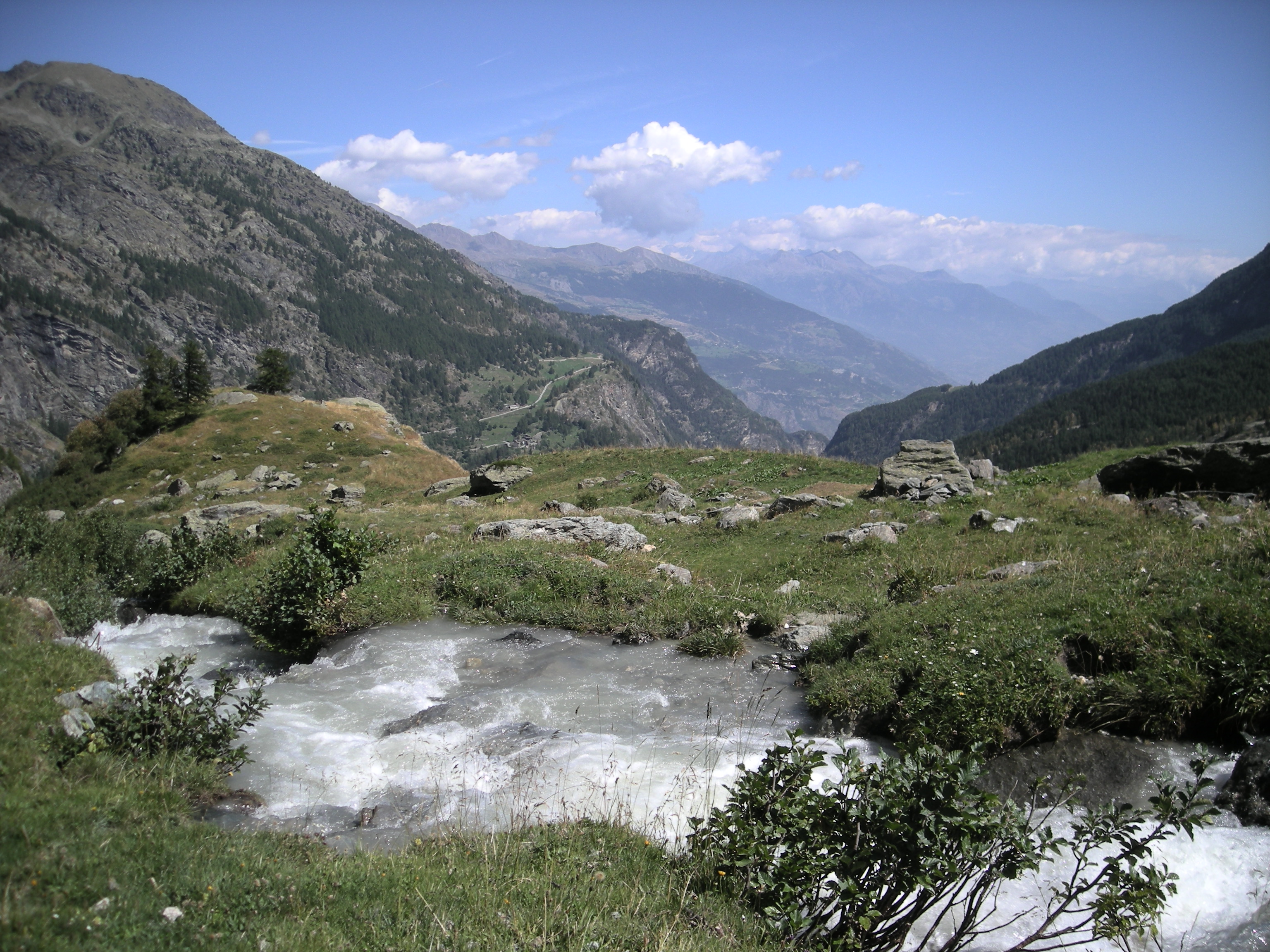
The beautiful Valgrisenche in the Gran Paradiso National Park in Italy

is it just me or do places you have visited and loved suddenly pop in to your head at random times.  I can be doing anything, totally unrelated to travelling, and a memory of a place will slip in to my head and I am once again there in that place.  There are many places I have visited that stay with me and I am sure that all of them have shaped and changed me.  The photograph above is the beautiful and remote Valgrisenche in the Gran Paradiso National Park in northern Italy.  We stayed a week in Planaval, a small and stunningly beautiful village a little way up the valley in 2009.  Valgrisenche is missed by many tourists and we followed the quiet valley road to its end a number of times.  Passing the lake, there are a few farms dotted around the valley and more abandoned stone houses.  After having hot chocolate in the tiny cafe by the car park we would walk along the trail to the refuge and the high mountains of the Alps, glaciers appearing as you turn a corner.  There are marmots here and wild flowers, berries brighten up the autumn rowan trees.  This was September and in the week we were here there were days so hot all we wanted to do was bathe our feet in the cool streams, other days the cloud came down and the fresh smell of rain made it feel like Scotland; this place has a wild and remote beauty.

Planaval itself is easily by-passed as you have to turn off the valley road to even see the village.  We were there during a village celebration and we watched a promenade play around the narrow village streets that in the local dialect was mostly incomprehensible and we listened to melancholy music that echoed around the steep mountains.  From Planaval we walked up steep tracks to look down on the village, finding bubbling mountain streams to quench our thirst from in Alpine meadows.  A long snake slithered away on feeling the vibration from our walking poles.

The beauty of Valgrisenche is deep inside me and I am sure that even if I never return the sights, smells and sounds of this stunning place will never leave me.

28 August Planaval walk 003.JPG
Alpine meadow above Planaval in Valgrisenche

Why I love cooking with my RidgeMonkey grill

2018 March Devon Conversions meet Melton Mowbray (29).JPG
Aubergines cook well in the RidgeMonkey

I bought a RidgeMonkey grill / sandwich toaster after a recommendation from another campervan owner [thanks Andrew Ditton] and what a revelation it has been, almost transforming my campervan cooking overnight.  We generally have home-cooked food in our campervan, eat out in restaurants only on special occasions and only buy occasional veggie sausages for a fast food meal, so cooking is an important activity in our campervan.  Previously I have struggled, even with a lidded frying pan, to get my cooking really hot when trying to brown or char peppers, aubergines, asparagus and other vegetables.  They would cook but the pan never got quite hot enough to get them beyond soft and cooked to that attractive golden brown finish.  Making Spanish omelette was problematic too as they took a long time to cook through.  All these problems have now been solved by splashing out [£22] on a RidgeMonkey sandwich toaster.

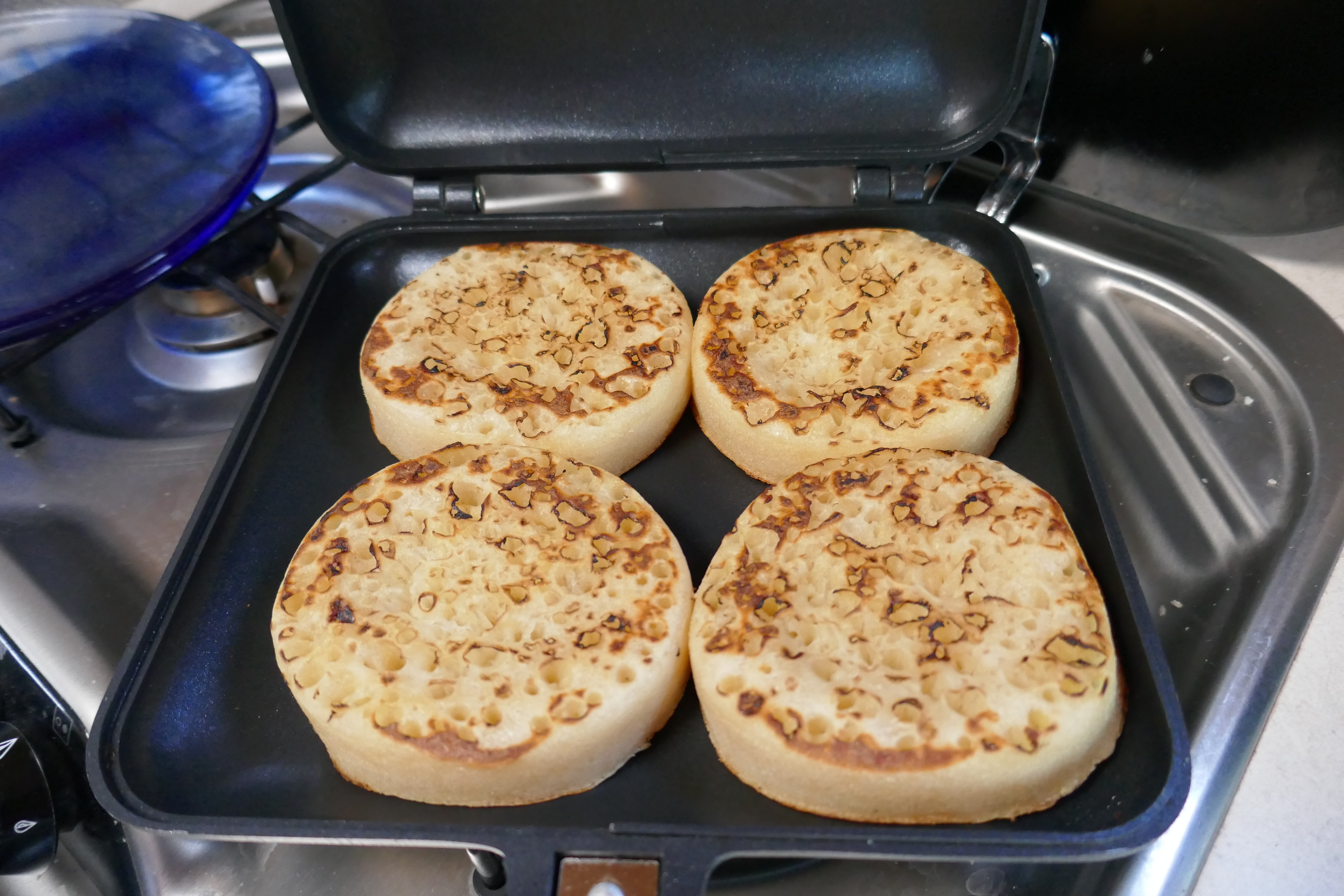
This wonderful item is sold to anglers as a sandwich toaster, enabling them to make a hot meal while on the riverbank but it is so much more than that.  I am sure it will make toasted sandwiches but I use it for vegetables, omelettes, warming crumpets, hot cross buns or baking fresh pitta bread and I feel sure over the years I will find so many more uses for this practical and versatile piece of kit.  Other people report using their RidgeMonkey to create a full English breakfast and roast potatoes, the list of things you can cook in this wonderful pan is only as long as your imagination.

The RidgeMonkey opens in to two identical halves, both with a non-stick finish and each is just over 2 cms deep.  The dimensions of the XL are 20.5 x 18.8 cms, so it isn’t enormous and I would suggest you buy this size as it works well for cooking for one or two.  The long handles stay cool and fasten and clip together allowing you to turn it over and cook items such as omelettes or hot cross buns on both sides without turning them over.  This mechanism also locks in the heat and means I can enjoy golden brown aubergine [and other veg].  With a non-stick finish the RidgeMonkey is easy to wash and they now come with a selection of utensils that won’t scratch the non-stick finish.

Crumpets
Crumpets in the RidgeMonkey taste better than ever

‍

A day in Brescia northern Italy & a museum inside a building, inside a building, inside …

06.06.2018 Brescia (28)
Inside the Museo di Santa Giulia

Brescia in Lombardy in northern Italy might not be at the top of your list of Italian cities to visit but in my experience it won’t disappoint.  You might have Rome, Venice and Florence on your wish list but over the years I have realised that less well known cities are always worth spending time in and that everywhere has something to offer and I particularly appreciate visiting cities that are not overwhelmed by other tourists.

From our campsite near Iseo it was easy and inexpensive [€6.60 each] to take the train to Brescia for the day.  This proved to be an excellent and relaxing day out in a lovely city that has plenty to offer.  We arrived without a map but this was no problem as Brescia handily has signposts to all the major attractions in the city.  Our first stop was the monumental Piazza della Vittoria, a 1930s piazza that is striking and I rather liked its brutalist charm.  The post office with tall striped columns dominates one end of the piazza and Brescia’s first skyscraper is here, a 40-metre high brick structure with decorative details.

Through a collonade is Piazza della Loggia, an attractive 15th century Renaissance piazza that contrasts sharply with Piazza della Vittoria.  Piazza della Loggia has buildings and memorials to many important events in Brescia’s history.  Below the clock is an emotional memorial to a bomb attack by fascists against an anti-fascist demo on 28 May 1974.  Nearby there is a statue remembering those who died in the 19th century ten-day rebellion against Austrian rule.  The piazza is dominated by the ornate palazzo, now the town hall.  Opposite this is a 16th century clock tower whose clock is only of limited use for a time check as the dials of the clock show the phases of the moon and the signs of the zodiac.  Two charming figures, ‘i macc de le ure’ or ‘Tone and Batista’ strike the hours on a bell.  There are cafes around the piazza and it is a lovely place to stroll or sit and people watch.

We continued to Piazza Paulo VI which is packed with important and impressive buildings and symbolises the religious and civic power of Brescia.  Most unusual is the old cathedral; this circular structure was built in the 11th century and was disappointingly closed when we were there.   Next to this is the new cathedral, a more frothy building from the 17th century.  We chose to sit in a lively cafe and have our lunch in this grand piazza.

We followed the signs for the Museo di Santa Giulia a unique and complex museum, housed in an 8th century Benedictine nunnery.  The museum site comprises exhibits within buildings that are within buildings; the whole spanning many centuries and this can make it difficult to fathom at first but I found the self-guided tour with information in both Italian and English helped me to understand the context and history.  On this vast site there are three churches including Santa Maria in Solario which has extravagant colourful frescoes.  Also beautifully decorated is the nun’s choir where the Benedictine nuns of the Santa Giulia convent took part in services while hidden from view.  There is a crypt and Renaissance cloisters too that visitors can explore.  Dotted around the buildings are modern sculptures that I felt contributed to and enhanced my enjoyment of this museum.  Underneath the monastery garden archaeologists found the remains of Roman villas and I followed the walkways over these buildings; the perspective from above gave a good sense of the layout of the villas and great views of the intricate mosaics.

As if all those buildings and art were not enough, the museum also includes displays of artifacts from Roman to Venetian periods of Brescia’s history; something for everyone’s interest but you would need days to look at everything.  A big draw is the Roman bronze life-size winged victory statue from the 1st century.  This impressive bronze of a woman draped in a cloth glimmers with layers of beautiful colours and appears to move and flow.

The whole of Santa Giulia is harmonious and interesting and exploring this amazing museum took so long we ran out of time for Brescia’s other sites.  We will have to return to Brescia one day to see the castle, all the Roman remains, the Museo delle Mille Miglia … .

We finished our day in Brescia back at the elegant Piazza della Loggia.  We sat relaxing with a beer in a cafe and listened to the clock strike the hour before catching the train back to Iseo.

06.06.2018 Brescia (2)
Piazza della Vittoria

Reasons travellers love the internet

2011 August van pictures 014
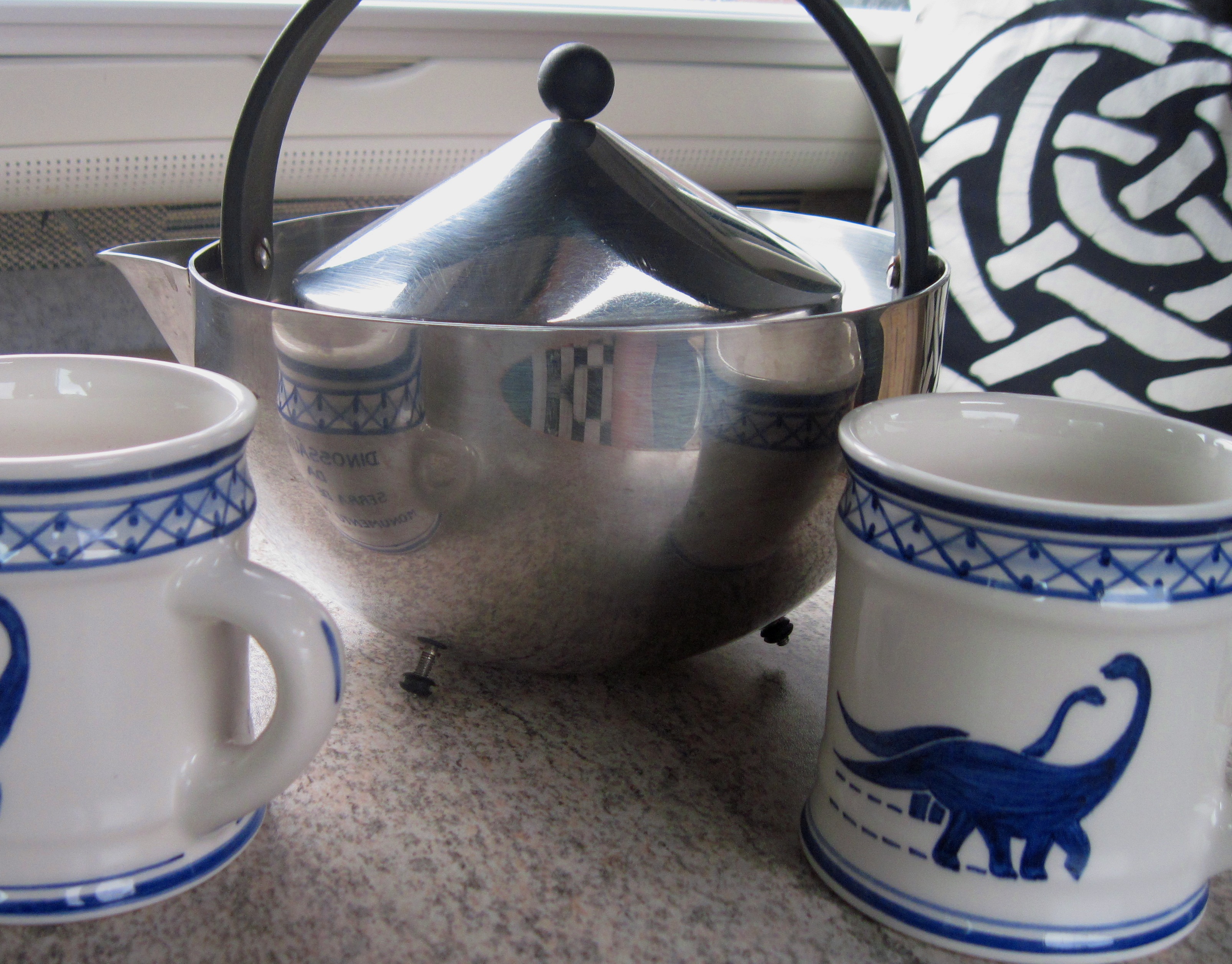
We use our Portuguese dinosaur mugs every day in our campervan

For the first thirty-years of my life I was waiting for the internet to become available; I wasn’t clever enough to put my finger on just what it was I needed but when it arrived I knew the internet was going to become an indispensable part of my life. I know we all managed without it through the dark years but so many things would have been so much easier if it had come along just a bit earlier. I use the internet for many things but for me as a travel writer it is particularly useful for planning and writing about travelling and holidays. Here’s a list:

Campsites – Through the 1980s and 1990s we took our young son on backpacking holidays around Europe; trips that required a bit of planning. Months before our trip we would write to various tourist information offices requesting leaflets about the area. We might find some details about local campsites in these or in a Rough Guide but we would have little idea how good or bad the sites were until we arrived. I have lost track of the number of times we have trekked out of a town to a campsite only to find it is either full, unfit for human habitation or closed. While this can generate fun travellers tales after the event at the time it was always stressful as we sorted out overnight accommodation for a family of three.

Train timetables – A few kilos of the weight in our packed rucksacks was due to the hefty European timetables book. This is a marvellous publication that opens up all sorts of possibilities and I always loved browsing through it but it isn’t very portable. Just think if we could have checked train times on our phone! We always travelled to Europe by train and booking these trains required joining a long snaking queue at Manchester Piccadilly around eight-weeks before we travelled to select the complex combination of trains and couchettes we needed to get us to Italy, Spain, Germany or Czechoslovakia.

Local bus times – We might receive some general information about local buses in the brochures from the tourist information centres but, as we often had little idea where we were actually going or what there was to do in an area, we had to spend a chunk of our holiday time seeking out this information in person. Hanging around information centres was an aspect of our holidays that was always particularly boring for a small child. I remember booking our trains back from what was then Czechoslovakia; this involved firstly finding the right office and then hanging around for many hours with mostly little idea of what was going on as systems were checked and connections calculated.

Buying maps – Before the internet I either bought maps locally or had to take a trip all the way south to Stanfords in London to buy maps for foreign places (although you could ring and talk to the marvellous and knowledgeable staff, send a cheque and buy that way). Not having a map is not an option for me, I like to know where I am. I still get a thrill from being able to search online and buy maps from the comfort of my own home.

Top attractions – Today there are so many websites to check out what there is to see in a city, there is no danger of missing the top sites [I doubt anyone wanders around Milan failing to find the Teatro alla Scala anymore]. For those ‘must see’ attractions with long queues you can now book timed tickets in advance. We would miss this convenience now wouldn’t we?

Staying in contact – Trying to get to grips with the bureaucratic nightmare of an Italian post office takes any fun out of sending postcards; even finding the right queue for stamps to the UK is mystifying. When eventually we had purchased the correct stamps we would spend hours writing these postcards [trying to think of something different for each one] before sending them home; if we were lucky they might arrive before we did. Today friends and family can read my blog or we can send texts or emails as we travel.

Learning the lingo – We bought a cassette tape and book to learn Czech as this wasn’t a language our local library kept in stock, otherwise we borrowed language tapes for a few weeks at a time to try and get to grips with a language. Today I can learn as many languages as I want via Duolingo for free, how cool is that.

Eccles: #surprisingsalford #29


2018 Jan Eccles (3)

North of the banks of the Manchester Ship Canal and west from Manchester is the small town of Eccles.  I say ‘small town’ deliberately because this might be part of Salford and Greater Manchester but it feels like a small English town.  Get off the tram at the end of the line in Eccles and you have travelled a world away from Salford Quays and Manchester city centre.  In Eccles you can still find an independent cafe rubbing shoulders with a cut-price hardware store, buckets and bowls spilling over the pavement and there are a gaggle of charity shops for bargain browsers.

It is Eccles Library that is the star of the town.  One of the 2,509 libraries funded by the Scottish businessman and philanthropist Andrew Carnegie [606 of these were in the UK] and opened in 1907, the library was built in a Renaissance style.  The library went through a major refurbishment in 2006 and is now a shared space with local health services as one of Salford’s innovative gateway centres.  It is worth going inside the library to see the beautiful features inside the building.

Eccles has a regular farmers and makers market selling local produce and is known across England for the Eccles cake, apparently first sold in 1793 and a mixture of flaky pastry with currants, candied peel, sugar and nutmeg.

Eccles Library (2)
Eccles Library