Polish Shops: #surprisingsalford #13

P1020640.JPG
The Polish shop on Langworthy Road

Time was when you had to travel to the USA to get Reece’s sweet peanut butter cups, Poland to find Polish curd cheese or Ireland to buy Tayto crisps but today in Salford our local supermarkets all have a ‘World Food’ aisle or two and you can buy these delicacies, as well as large bags of red lentils and basmati rice and goodies from Spain, Caribbean islands and other Asian countries.  Much as I love trying the local food when we travel I also love being able to get some of my favourites when I am at home and I am truly grateful to all those people who have been prepared to leave their own country and move to the UK and created the demand for food from other countries.

In the 2011 census 1.6% of the Salford population spoke Polish.  These people and those from other countries add new and interesting flavours to our city and different outlooks.  Of course, since the Brexit vote, many of these people are feeling insecure and even friends who moved here decades ago are concerned about their ability to stay.

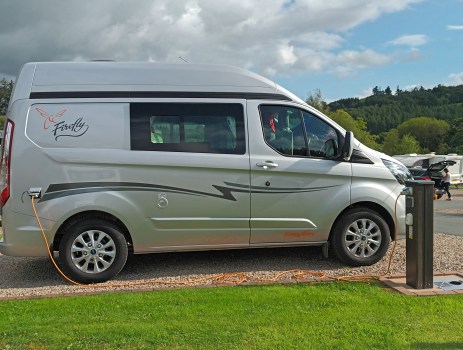
But for now I am able to enjoy shopping in our local Polish shop.  I walk in and I am always greeted with ‘dzien dobry’ and I like to confuse the staff by replying in Polish, although in truth that and thank you [DziÄ™kujÄ™] is pretty much the extent of my Polish.  We visited Poland in 2007 in our campervan and at the time I could manage some of the language needed to book us in to a campsite but most of this has been forgotten in the haze of other languages.

I love that many of the items the shop sells are a mystery to me; I might as well be in one of the gloomy small grocery shops we found in Poland.  Mostly I just buy the delicious rye bread, although I sometimes return with other delicacies such as paprika crisps and cream cheese with chives.  I drool over the large jars of gherkins but know that with Mr BOTRA having no interest in pickled vegetables I would struggle to get through so many.


Doing just one thing a day in our frugal retirement

20170515_190513.jpg
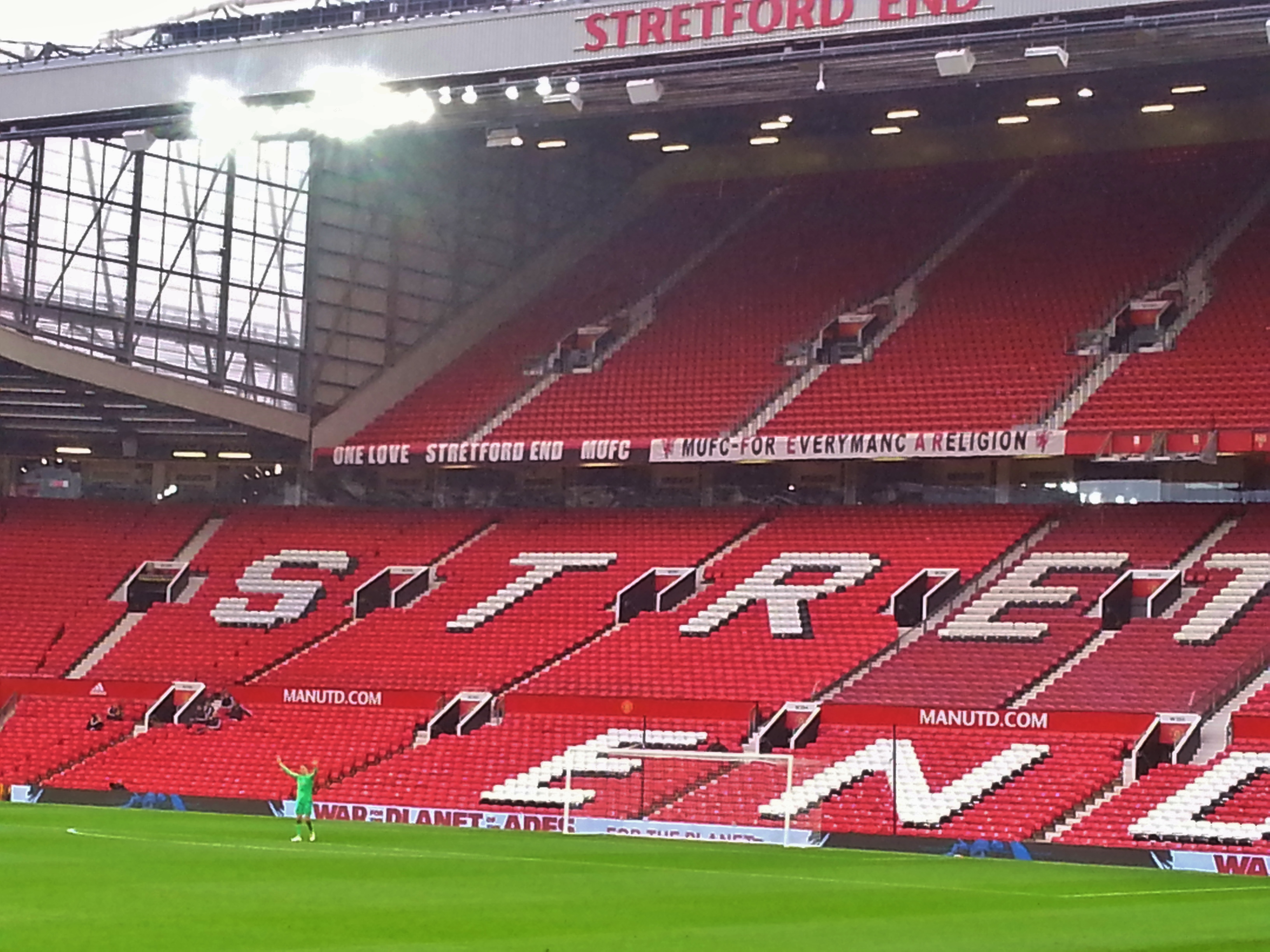
The Stretford End is usually packed for a match!

Now we are both here we are finding this retirement life pretty good.  As with our pre-retirement life, we are continuing to live frugally [that is within budget], stay active, get out and engage with the world and generally enjoy our lives.  We are also trying to remain relaxed and content by adopting a strategy of doing just one thing a day.  So far we have slipped in to doing two things just occasionally but the policy mostly applies.  Below is a list of our activities and spending on additional activities in the last week:

Day one – We attended a political meeting [free].

Day two – We bought day passes for the bus [£4.50 each] and went for a countryside walk.

Day three – We got free tickets for a play through the wonderful Show Film First and we went to the matinee because we can, walking there and back.

Day four – We walked in to Manchester to spend a book token Mr BOTRA had received for his birthday.  While we were choosing books, the book shop had a fire alarm and we went for a drink while we waited for it to re-open [£3.30].

Day five – We joined a shared lunch with friends and drinks for a friend’s birthday in Manchester in the evening [two things]!  [Public transport £13.20, drinks £23.60].

Day six – A guided visit to the interior of the lovely Ordsall Hall [£3 each]

Day seven – We went to see the Manchester United Reserves under 23 team play against Tottenham Hotspur.  Entrance is free and the crowd of a few hundred [the capacity of Old Trafford is over 75,000] watched Manchester United win 3-2.  We resisted the temptation to buy any of the over-priced refreshments.

So we spent a total of £55.10 [less than £8/day] on getting out and about this last week, this might be slightly unusual as we don’t celebrate birthdays every week [but we really enjoyed going out to the pub] and this amount is well within budget and has been so much fun.  We have learnt more about our local area, met some people with shared political views, enjoyed some culture and sport and kept very active.  Roll on more weeks of retirement!


The beauty of the Italian Apennines

11.04.2017 Pietra di Bismantova from campsite (2).JPG
Pietra di Bismantova, Reggio Emilia in the evening sun

I love being in Italy in our campervan; I love the food, the coffee, the scenery, the wine and the vibrancy.  Every time we go we find new places to enjoy that seem more beautiful than the last time.  On this trip we were travelling across the country to Ancona where we were catching a ferry to Greece.  After a night on the lovely Ligurian coast, we headed inland to cross the Apennines on the superb SS63.  We stopped to admire the attractive fortified village of Castle Verrucolo and enjoyed the fantastic mountains views from the road.  Camping Le Fonti was the perfect place for a couple of nights; with a friendly welcome, fresh bread ordered, a sketch map of local walks and a pitch with a view of the distinctive Pietra de Bismantova (above), we were happy.  The next day we walked up Monti Ventasso, a 1,727 metre hill behind the campsite.  We walked through beech woods dotted with wood anemone, primroses and wild crocuses, a cuckoo calling in the distance.  Taking the path to Santa Marie Maddalena we crossed an exposed and loose scree slope to the grassy meadow where a refuge and chapel sit under the rocky crags of Monti Ventasso.  The steep narrow and rocky path up the east ridge was airy in places, eventually bringing us out on a wide and grassy ridge to the summit, passing a bizarre wooden hinged figure on the way.  The summit gave us great views of the valley, Pietra di Bismantova and Lago Calamone below.  We descended to the lake, a picturesque and sunny spot where a group of young men were noisily playing football on a slope, the ball regularly fell in to the lake and this seemed part of the game.  We climbed upwards to join our previous path and returned the same way having enjoyed a great day’s walking.

The lovely driving continued until we reached built up areas again at Scandiano.  We found the Camper Club Mutina in Modena, a great and well-run sosta that is close to the city but has views over fields and vineyards and we watched hares and a kestrel from our pitch.  We were given a map which included a cycle route to Modena, about 30 minutes of flat cycling and perfect for seeing the sights of Modena.  Modena is clearly a cycling town, everyone from eight to eighty was out on their bikes and we followed a signed route, the MO1, in to the centre that was always off road.  We parked near the Duomo off the cobbled Piazza Grande in the city centre; an impressive white marble building with intricate carvings.  We ambled around, taking in the sights and I loved the Piazza Roma with its fountains and large shallow pools that reflected the surrounding buildings.  Following the narrow streets we spotted a queue of people outside a shop; further investigation revealed it was for Emilia Cremeria ice-cream, so we had to join in.  After queuing we came away with hand-made cornets of pistachio ice-cream; each cornet is filled with molten chocolate first with the creamy-soft ice-cream on top.  When you have enjoyed the fantastic ice-cream you bite through the fresh biscuit wafer and still have the soft chocolate to finish.  It was delicious and I want all ice-cream to be like this from now on.

We spent our last few nights in Italy at Camping Mar Y Sierra near  to the hilltop town of Mondolfo.  Away from the built up Italian coast this was a glorious spot.  We walked along the Valle dei Tufi route that took us through beautiful countryside and in to the pretty town of Mondolfo and we cycled to the stunning walled town of Corinaldo in the sunshine.  The hot weather bought a tremendous thunder storm one night, with hail bouncing off the roof of the ‘van so loud that we couldn’t hold a conversation and lightning brilliant in the sky.  Our next stop Greece …

13.04.2017 Modena city (8).JPG
The beautiful city of Modena


Kersal Moor: #surprisingsalford #12

Kersal Moor Feb 2017 (3).JPG
A view from the top of Kersal Moor

This is the sacred mountain of Greater Manchester!  It was on a trip to a Saturday afternoon match at Salford City Football Club that I first spotted Kersal Moor and added it to my list of Salford places to explore in retirement.  Google maps and research revealed that this is a Local Nature Reserve and an area of moorland and perfect for exploring on a sunny day.  I walked to Kersal Moor, climbing the hill from the Irwell, following the straight and narrow Blackfield Lane from Bury New Road, a lane that can be seen on the 1848 map when Kersal Moor was not the peaceful spot it is today but was the busy Manchester Race Course.  What is now Moor Lane cut across the centre of the oval course.  My route bought me out in front of St Paul’s Church, which isn’t on the 1848 map but is shown on the 1894 map, along with a school further west on Moor Lane which has since been demolished.  This church community first met in the old grandstand of the race course in 1850, as the race course was no longer in use, and a fund was set up to build the church which was consecrated in 1852.

I wandered through St Paul’s graveyard first, enjoying the hint of spring in the air and failed to find the grave to the chemist Robert Angus Smith, an environmentalist who is known as the ‘father of acid rain’ after he made the connection between industrial pollution and acidity of urban rainfall in the 1850s.

Leaving the graveyard by an old gate I was on Kersal Moor and soon climbing up to the viewpoint across the sand and gravel soil that was formed from glacial deposits at the end of the last ice age.  Kersal Moor is covered in heather, gorse and birch trees and is lively with bird song.  The reward for my uphill walk was views over the trees with Manchester to the south and Prestwich to the north.

I followed the well-marked paths above Singleton Brook that is the boundary between Salford and Bury, looking down on the site of a former dye works and found some of the remains of the school that was on Moor Lane.  Returning back to St Paul’s I found the plaque telling me that the race course was here for around 160 years, from 1687 to 1846.  Whitsuntide was the main race meetings with crowds of over 100,000 gathering to enjoy the racing, betting and drinking and it was a profitable time for pick-pockets.

The plaque also remembers that this was the site of Chartist rallies in 1838 and 1839 when over 30,000 workers met to demand the right to vote and for parliamentary reform.  It was this history of public gatherings that caused Friedrich Engels to refer to Kersal Moor as ‘Mons Sacer’ [sacred mountain] of Manchester, referring to the hill in Rome that the common citizens withdrew to in 494 BC as part of their civil protest that led to political representation for the common citizens through the offices Tribune of the Plebes.

If you have never visited Kersal Moor take the time to get there and think about the layers of history here, from the Neolithic people who left tools here, the riotous race meetings, the worshippers, reformers and school children playing games.


Back on the road through France

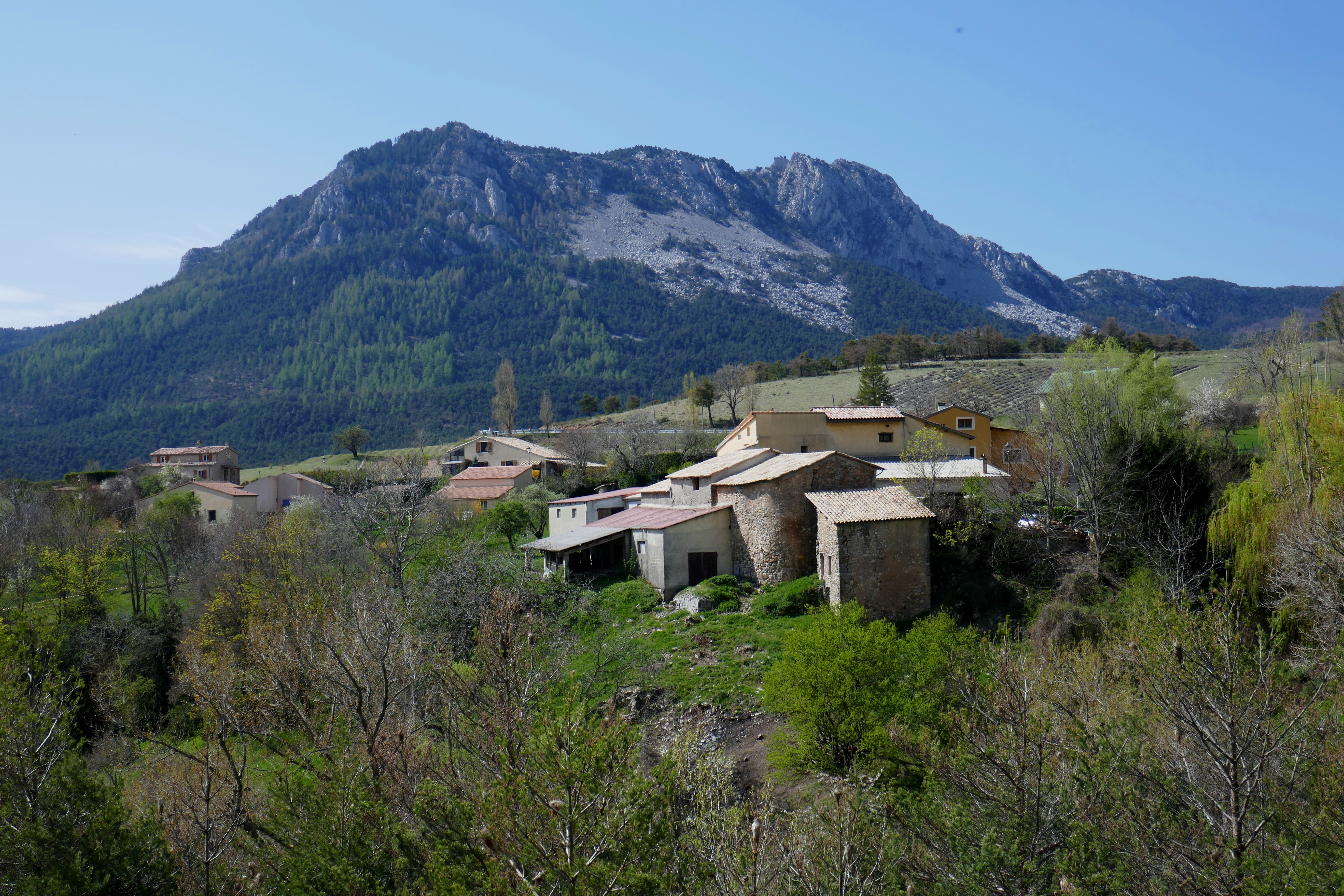
09.04.2016 Verdon region of Provence (1)

The beautiful landscape of Provence in France

Newly retired and all the time in the world we were back on the road in our blue campervan.  We set off south in April sunshine hopeful we would find beautiful and interesting places and have some fun.  Just being in the ‘van is relaxing and we were soon in a meandering frame of mind, stopping when we found somewhere lovely, making coffee among gorgeous scenery and taking strolls to interesting places.  Our first night was at the popular aire at Pont au Mousson, our second in the lovely Bourgogne wine producing town of Beaune, stopping on the way to stroll around Langres, on its stunning hilltop position.   We passed through pretty honey-coloured villages where men chatted outside the Marie, drove by large fields hunted by buzzards and under trees dripping with mistletoe.

Leaving the vineyards of Beaune we got mixed up with the circus vehicles in the next town, around us were vans and cars blowing their horns to announce their arrival.  We used the aire at Bourget-du-Lac and had a sunny afternoon walk to the lakeside, the ruined Chateau St Thomas II and the bird hide overlooking lovely pools busy with cormorants, red-crested pochard and one great egret and we watched marsh harriers flying low as they hunted.  We also walked in to Les Bourget-du-Lac and found the priory with its stately garden.

The weather was being so kind to us and after resisting the urge to stop in the Ecrins we treated ourselves to a couple of nights in Digne les Bains to give us time to stretch our legs after days of mostly driving.  We were now among the rocky Mediterranean landscape rich with herbs.  Our early evening stroll from the campsite took us to the large orderly cemetery of the Cathedral de Notre Dame du Bourg; we strolled around the fascinating graves enjoying the glimpses in to people’s lives.  Later as we ate sitting outside the snow covered mountains at the end of the valley were pink from the setting sun.

The campsite in Digne les Bains was perfectly placed for the lovely circular three chapels walk.  The path with signposts followed a lightly-shaded path through small oak trees and broom, the path edges blooming with cowslips, thyme and marjoram.  The route is only around five kilometers but follows a steep rocky path to give great views over the town.  Chapel number one, St Vincent, is a large church-like structure above the town.  Continuing uphill we found chapel number two, the Chapelle de la Croix, a tiny chapel perched on the highest point at 870 metres.  We ate our lunch enjoying the panoramic views and the peace, just the butterflies busily flitting around the flowers and small lizards taking in the sun.  We followed the ridge and then took the path downhill, meeting a group of mountain bikers struggling up the craggy path.  Chapel number three, Notre Dame, is in the trees just above Digne.  This small ruined church has a shrine underneath it in a cave.  We found cooling ice-creams in Digne before walking back to the ‘van.

From Digne les Bains we drove through the stunning scenery of Castellane and Grasse.  The road climbed over cols and took us through woodland, the landscape becoming more arid and more dramatic.  We stopped to take in the staggering vistas on a mountain road; I was awestruck by the landscape of white layered limestone rocks dotted with attractive Provencal farmhouses.  Our final night in France was in Cagnes sur Mer before we headed in to Italy to catch our ferry to Greece.

05.04.2017 Beaune (4)
The pretty French town of Beaune

It’s good to talk but it’s all Greek to me

2011 August van pictures 011
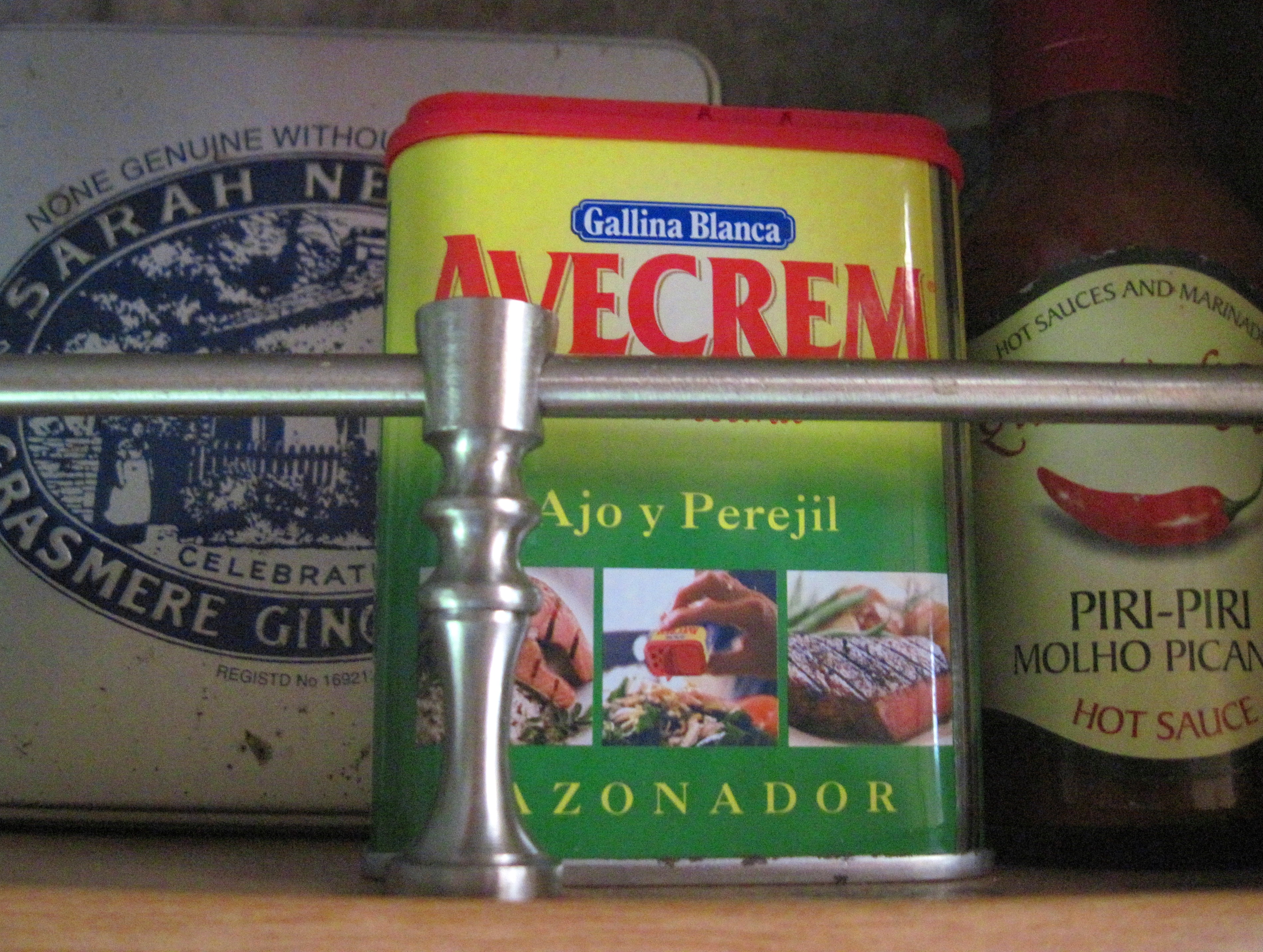
Portuguese packaging in the campervan

I enjoy learning languages and being able to talk to people when we travel to different countries.  The variety of the languages and cultures is one of the reasons we love travelling around Europe but it is also a challenge.  We are currently planning trips to Greece, Italy and perhaps Croatia and Spain and Portugal.  This means many different languages to get to grips with.  The Duolingo app is working well for brushing up my rusty Italian and Spanish [it is a few years since we have been there] and I have used this in the past to refresh my French and German.  The app reminds me every day so I keep the habit and I can do just five minutes if it is a busy day or longer when I have the time.  But without the Greek alphabet on my phone this app is no use for Greek and so I’m trying other options … but the Greek is hard, not just an unfamiliar language but also a different alphabet.  We have found some helpful YouTube  videos, I have been using some free apps [WordPower is the best I have found but Bravolol is useful too] and I have created our own flash cards which are the best way for me to learn.  Yet it is fair to say that the chances of getting beyond the pleasantries are small.

I enjoy being in countries where I can have more of a conversation with someone who doesn’t speak English and this is why travelling to France and Germany and Austria are so relaxing and fun.  I have fond memories of having a long conversation with an elderly woman in Wernigerode in Germany about her display of cross-stitch without every knowing the German for cross-stitch [apparently it is easy and is Kreuzstich] but I could talk about how lovely the pictures were, ask how long they took to complete and tell her how much I admired her skills.  In France I was able to deal with the group of people who came flocking to help when the chain on my bike broke dramatically as I cycled up a hill in their village.  I have even argued with a rude campsite manager in French, although I learnt than when irked my brain muddles up my entire knowledge of other languages and I spat out German and Italian words along with the French ones to the manner-less manager.  I never got to grips with much Polish when we visited this country but found German useful which did confuse Polish people on campsites about our origins; we had a campervan from the UK, I was speaking German but I had a Polish name.


Ordsall Hall: #surprisingsalford #11

Ordsall autumn 2016 (13).JPG
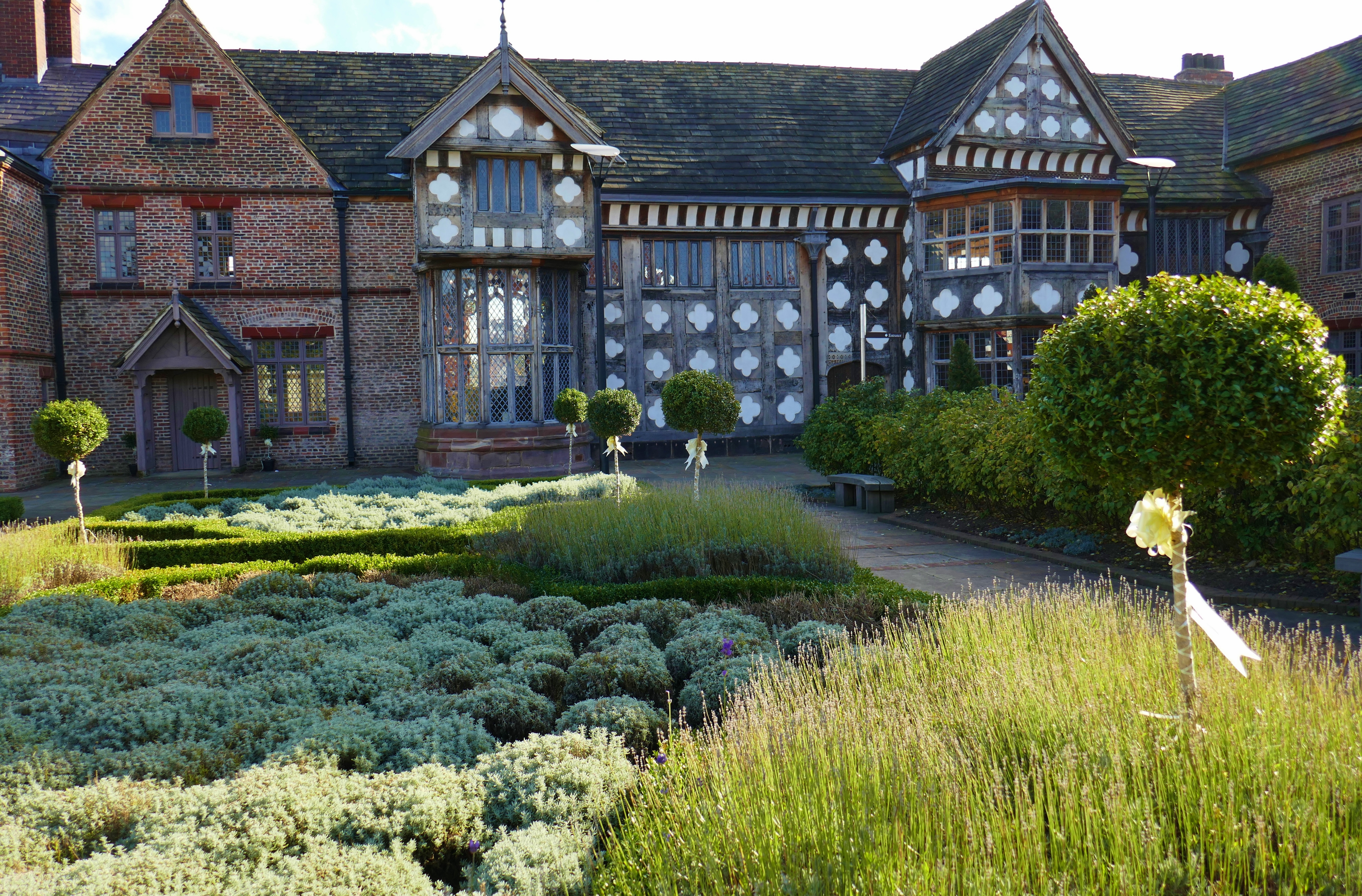
Ordsall Hall dressed for a wedding

So you’ve got an image of Salford.  This might include cobbled streets of terraced houses, the tower blocks and bright lights of Media City and maybe green public parks if you have read all of my #surprisingsalford series, but a beautiful Tudor manor house is probably not featuring in your mind’s eye and yet Salford is where you will find Ordsall Hall.  Today Ordsall Hall is in many ways the jewel in the crown of Salford.  It had fallen in to disrepair and when we arrived in Salford it was covered in scaffolding being refurbished.  Over two years the building was fully restored and re-opened and it is now a place for visitors and as a venue for weddings or meetings.

Ordsall Hall is a Grade 1 listed building that is timber-framed and parts of it date back to the 14th century.  From the outside Ordsall Hall is a handsome combination of brick and timber-frame set in lawns and restored gardens.  Inside the building has many treasures including a Great Hall, medieval stained glass and a rare Italianate plaster ceiling from the 1500s.

With a history spanning over 800 years, Ordsall Hall has seen many dramas and lives and there is talk of ghosts that haunt the building.  The house came in to the ownership of the Radclyffe family in 1335, who made their mark on the building.  By 1380 Sir John Radclyffe had extended the house to include a great hall, five chambers, a chapel, stables and a dovecote.  In the 16th century Sir Alexander Radclyffe became the High Sheriff of Lancashire and he built the current great hall and a brick house on the west end of the house, which is thought to have been the home of the bailiff.  The cost of this extension and the English Civil War left Alexander, a Royalist, in prison and in financial hardship and his son and heir sold Ordsall Hall to Colonel John Birch in 1662.  There is a legend that Guy Fawkes and Robert Catesby plotted to overthrow King James in 1605 at Ordsall Hall.

The house changed ownership many times over the years; from 1872 until 1875 the artist Frederic Shields lived at Ordsall Hall.  He was friends with John Ruskin and in a letter to Ruskin described the house as ‘the happiest refuge I have ever nested in’.  But Salford changed after this period and the fields and woodland that had surrounded Ordsall Hall were replaced with factories and terraced housing, the Hall was on the edge of Manchester Docks and would have been surrounded by noise and bustle.  Amazingly, the hall stayed and was used by Haworth’s Mill, a cotton spinning factory on Ordsall Lane, as a working men’s club with a gym, skittle alley and bowling green.  A men’s social club survived through a major restoration and the building was used as Manchester Theological College until 1940.

Salford Council purchased Ordsall Hall in 1959 and it was opened to the public in 1972 as a house and local history museum before undergoing the renovation and reopening in 2011.  It is now a building Salford is justifiably proud of.


Taking a break from culture & enjoying #vanlife chores

​

I am sure this makes me seem a little bit weird but I have decided to be honest here … although I love exploring new places, learning about new cultures and finding out the history of an area, I also love the days when we stay on a campsite and do the chores; the laundry, clean the ‘van and generally chill out. There is something smuggly satisfying about a line full of laundry drying in the sun, particularly when you have washed it all by hand. I also find that on a long trip away in the camper, when we are travelling for a few months, I need a day every now and then when my brain gets a break from having to absorb new ideas and sights and I can just concentrate on simple things like cleaning, reading and writing.

When we are away for more than a week we need to wash clothes, bedding and towels.  Sometimes we pay to use the campsite washing machine but often we will wash by hand.  All our clothes are ‘technical’ which means they dry in an hour or so.  Our duvet covers and sheets are thin cotton that don’t take too long to dry and we use hamman cotton towels and travel towels rather than heavy towelling.  This all means that laundry is stress-free.  We often wash underwear and t-shirts as we go as they dry so quickly.

So yes it might be just a little weird to enjoy these days but they give me space to process all the new things we have seen on a trip.  One day is enough though.  After a chilled out day I am ready to hit the road and find new places once again.

Chapel Street:#surprisingsalford #10

Chapel Street Feb 2017 (2).JPG
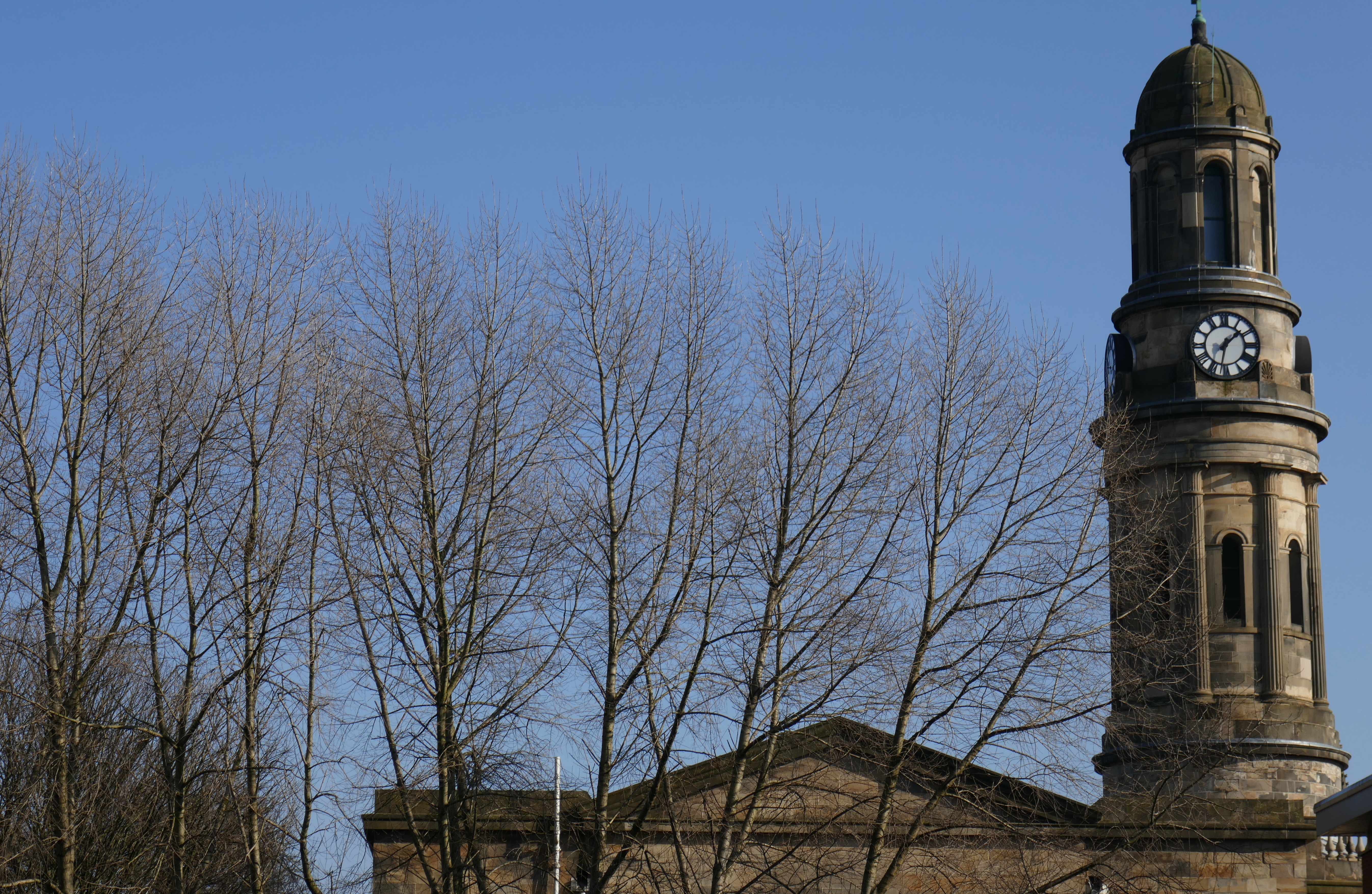
St Phillip’s Church on Chapel Street, Salford

Chapel Street is a truly delightful, as well as an historic part of Salford.  The street runs from Blackfriars Bridge which crosses the river Irwell in to Manchester and cuts across a wide meander in the Irwell until it merges in to The Crescent where it meets the river again at Peel Park.  Chapel Street is packed with historical buildings and has long been an important street for both Salford and the nation, as the street is also part of the A6 London to Glasgow road.  The street runs through what was the heart of Salford in medieval times and back in 1806 it was the first street in the UK to be lit by gas lights.  Walking down Chapel Street there is always something I haven’t spotted before among the religious buildings, pubs, public buildings and relics of Salford’s industrial past.

The name Chapel Street comes from the lovely Sacred Trinity Church surrounded by garden and Salford’s oldest church, its name was formerly chapel.  Lowry painted Sacred Trinity in 1925 along with the Flat Iron Market that was in front of the church until the 1930s.  Further along Chapel Street is St John’s Cathedral and the neo-classical St Phillip’s Church with its semi-circular columned portico and clock and bell tower.

Strolling along the recently improved pavements of Chapel Street you can spot the old Town Hall , the former Gas Works Offices, the old Education Offices and various court buildings, as well as the old Salford Royal Hospital which is now apartments.  It was on Chapel Street that Vimto, that fantastic sweet and fruity cordial that is a treat served hot, was made from 1910 to 1927.

The small tree-lined Bexley Square in front of the old Town Hall is a pretty spot today but it was the site of the Battle of Bexley Square on 1 October 1931 when the National Unemployed Workers’ Movement demonstrated against the cuts in unemployment benefit.  After the crash of 1929 unemployment was out of control in Britain and in austerity measures that mirror those of today, the National Government under Conservative leadership implemented cuts of 10% to unemployment benefit and introduced the means test which put many people in to extreme hardship.  Thousands marched on the Town Hall to have their voice heard.  Walter Greenwood was present at the demonstration and included it in his novel Love on the Dole and Jimmy Miller was involved in organising the demonstration, he later became well known as a folk singer and actor under the name of Ewan MacColl.  The unemployed people marched peacefully but they were obstructed and then brutally attacked by the police.

Chapel Street is pretty good for a Salford pub crawl and some old characterful pubs still survive here.  Good beers are available at The New Oxford, The Kings Arms just off the main drag with comedy nights and music and at the top end of the street nearer to the University is The Crescent, previously called The Red Dragon and reputedly a haunt of Karl Marx and Frederick Engels when they were here.  Salford Council produce a heritage trail of Chapel Street which is fun to follow in between your visits to the pubs and gives more information about the buildings and the history of the street.

Buile Hill Park: #surprisingsalford #9

20170312_114056.jpg
Spring flowers in Buile Hill Park

Salford isn’t all parkland but I couldn’t continue my surprising Salford series for much longer without covering Buile Hill Park.  As the name suggests this large park climbs up the hill to Eccles Old Road in Seedley.  The park is surrounded by houses and is always popular; there are always walkers here whatever time of day or week you visit.  This is also the park where many Salfordians will gather on Bonfire Night for the best firework display.  What we call Buile Hill Park is a combination of spaces that started with Seedley Park; the second public park in Salford, opened after Peel Park in 1876.  In 1903 the park was enlarged when the grounds of Buile Hill House were opened as a park, in 1927 the grounds of Springfield Villa were added and in 1938 the grounds of Hart Hill House were opened to the public.  Of these buildings only Buile Hill House still remains; Salford Council bought this house in 1902 and local people raised money to help with the conversion to a public park.

Buile Hill House was built in 1827 as the home of Sir Thomas Potter, the first Lord Mayor of Manchester, a linen draper and co-founder of the Manchester Guardian and was one of many mansions along Eccles Old Road, known locally as Millionaires Row around 100 years ago when you were more likely to see a Rolls Royce than a dog walker.  Times have changed and these spaces are now for everyone’s use.

Buile Hill House became a mining museum, with a mock mine and pit cage and by the 1990s had a wide collection of mining memorability.  It closed in 2000 and has been boarded up ever since, a cause of much sadness in Salford.

This incremental development makes the park more interesting.  We always start at the ‘bottom’ of the park, in the original Seedley Park that is laid out as traditional parkland with a central avenue.  Walking up the hill, I like to wander through the woodland looking for birds and squirrels before following the paths around the back of Buile Hill House to the large expanses of grassland.  Walking around the hall, the best view south across Greater Manchester can be found from a sunny path below Buile Hill Park Hall and it is always worth pausing here.  As we walk down the hill, if there are no young people around we might have a go on the adventure playground or try out the exercise machines before walking around the allotments to see what is growing.

buile-hill-park-jan-2017-6
Looking down the hill of Buile Hill Park