Premium bonds, are they still worth it?

p1010259

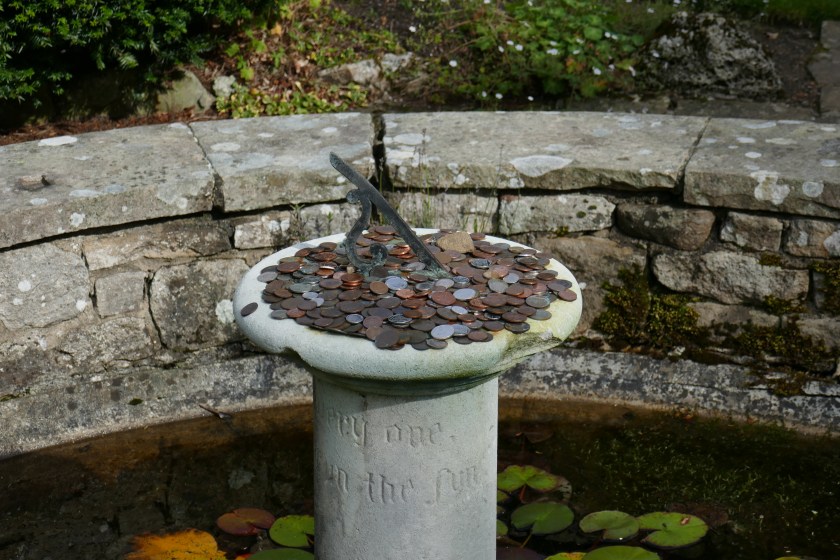
We have a spreadsheet that tracks our savings [of course], where they are and what they are earning.  One strand of our savings is a chunk of premium bonds and what this lovely spreadsheet reveals is that the amount of our winnings from these premium bonds has decreased [okay let’s be honest, it has halved] over the last three years.  In 2014 and 2015 we received a return of around 1.5% from our winnings on the fluctuating amounts of premium bonds we held but last year our return was only 0.75%.

I was bought up in a rural post office and so have always been a little sentimental about premium bonds as before the internet it was the local post office where you bought your premium bonds.  My parents were in a premium bond club, where a handful of neighbours pitched in every week and bought a premium bond for one member of the club, this way they received a premium bond every month or so.  I remember the excitement at home when they occasionally won a few pounds.  I have also long had a soft spot for ERNIE, the Electronic Random Number Indicator Equipment that chooses the winners each month but it seems ERNIE doesn’t have the same loyalty towards me and it might be time to part company.

And yet, we will miss the excitement of the win.  These days we receive an email when one of our premium bonds has been chosen by ERNIE and there is always much heart pounding and nail biting in the BOTRA household until we have checked our account, followed by inevitable disappointment when we find we have not won a life changing amount but just another £25.

In the  Money Saving Expert article from October 2016 premium bond winnings are discussed.  Apparently premium bonds are the number one saving product in the UK, with over 21 million people having at least one, although no doubt many of these people have forgotten all about the one or two bonds they own.  Although any winnings are still tax free, the changes to tax on interest in the UK make this aspect of premium bonds less appealing today.  The article describes much better than I can that, although the annual prize rate is currently 1.25%, this does not represent the winnings you are likely to receive and that with £31,000 saved in premium bonds each month one in 240,000 people will win nothing at all.

Premium bonds are really a lottery [after all there is a chance of winning anything between nothing and a whole shed load of money] but at least it is a lottery where you don’t lose your capital.  Mr BOTRA and I have agreed that sentimentality is not always the best way to decide where to save and despite my childhood memories of premium bonds the numbers are pushing us to reconsider this aspect of our savings.
 

Creating a shared retired life

P1060061
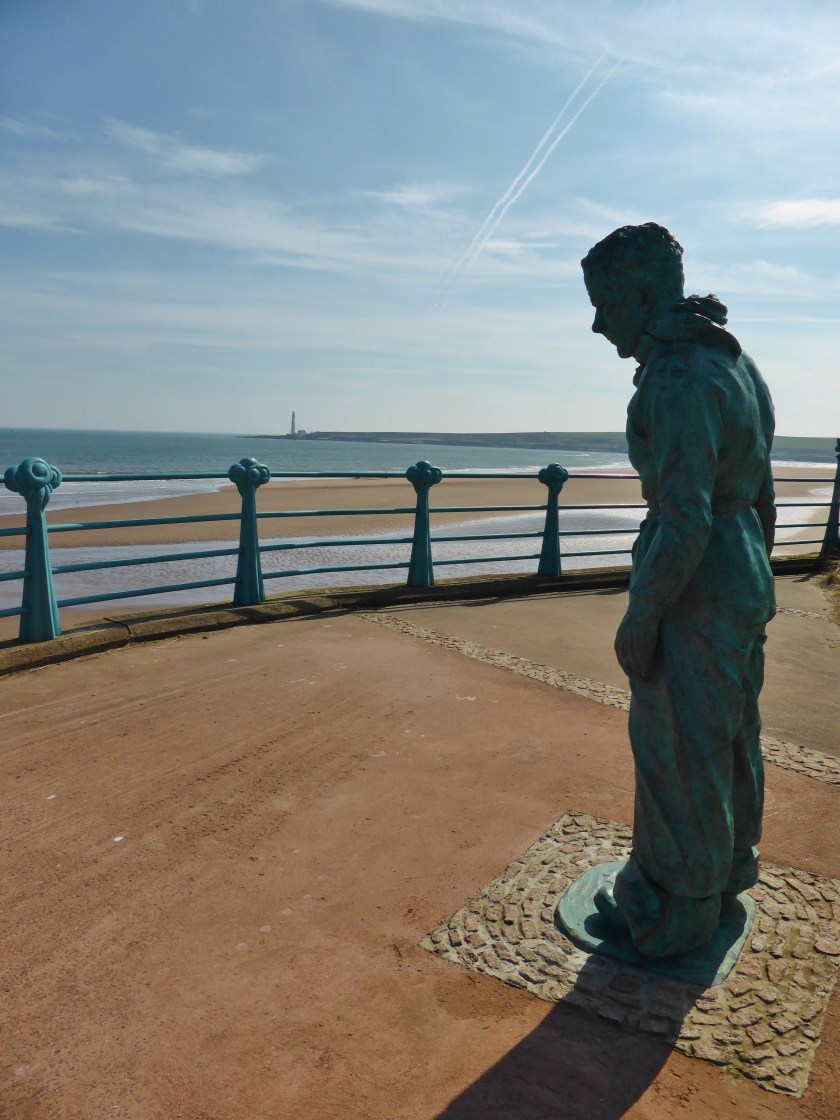
The beautiful beach at Montrose

I am now five weeks in to retirement and I have settled in to the swing of it, the elation hasn’t faded and I am still grinning all the time.  How I spend my day is mostly dictated by the weather but is always very much my choice; I no longer have to spend a sunny day gazing longingly out of an office window.  If it is fine I will get out walking around Salford, exploring new hidden corners and wandering around favourite haunts picking up litter.  If it is damp and dark I stay home and work on a travel article or the blog or plan our spring trip in our campervan or meet a friend for coffee.  I don’t have anything that would resemble a routine and I am loving not having to be anywhere or do anything and the sense of freedom to be flexible and please myself.

I have had time to help and spend time with friends and organisations and that gives me a sense of usefully contributing to the world.  When I have so much, giving my time isn’t much of a gift but it is one that I can now give willingly and generously.

Mr BOTRA chose to continue working until March 2017 and so I have had this period of time to adjust to retirement on my own.  Having faced his fears about retirement Mr BOTRA has now overcome these and is looking forward to retirement with a positive frame of mind.  Everyone in his workplace now knows he is leaving and this has helped him make the adjustment and his focus is shifting from his employment to being an ex-worker and he is looking forward to projects of his own.  He is spending his last few weeks at work winding down, tidying up and finishing off tasks.  He was in high spirits recently when he delivered his last ever health and safety training session.

Although I really appreciate having this work-free period in the gap between retiring and taking our first long-term trip away in our campervan, I am thankful that I won’t be the lone retiree in the house for too long.  I can already see that if this continues for much longer I would have carved out my own way of doing things and got used to my own company, leaving Mr BOTRA to fit in or around this, rather than our adjustment to this next phase of our life being shared.  It is perhaps just as well that by taking ourselves away from home for a few months while we travel in the campervan we will have the chance to settle in to a redrafted retirement.


Let The Day Begin

20161126_144056

Black Rebel Motorcycle Club’s fantastic version of the optimistic tune ‘Let The Day Begin‘ [originally by The Call] was a great way to bring in 2017.  BRMC’s reverberating cover is more to my taste than the original and was included on the Spectre At The Feast album in memory of their singer/guitarists father and band mentor, Michael Been.

Here’s to the babies in a brand new world
Here’s to the beauty of the stars
Here’s to the travellers on the open road
Here’s to the dreamers in the bars

The song reflected my mood of waking up eager for each day to begin.  Mr BOTRA has returned to work for another eleven weeks and so my days are free for me to structure in the way I want to and I am enjoying the liberation of not being tied to the work laptop and phone.  If I waste a day doing nothing there will be no one to tick me off.  Of course, I have articles to write, people to see, trips to plan and litter to pick up but I do these all out of choice and no one will be performance managing me, except myself.

It is January and so it is also time to sum up our finances for 2016.  Mr BOTRA and I had a joint income for 2016 of £36, 747.  We spent this in the following ways [2015 figures in brackets]:

  • Groceries 7% [8%]
  • Concerts, theatre and meals out 7% [6%]
  • Bills for the flat & running the campervan 12% [20%]
  • Holidays & campsites 14% [12%]
  • Everything else [gifts, clothes, stuff, public transport & healthcare] 19% [18%]
  • Savings 41% [36%]

We have made some good savings on our electricity and gas bills by moving provider to Ovo, on our broadband by changing to Hyperoptic [although we got a new customer deal and so this will no doubt be more expensive next year] and we saved on our house insurance through the Caravan Club.  Fortunately, our two year old Renault campervan hasn’t needed any maintenance.

We are happy that we spent £23,603 on our living expenses during the year as this means our budget of £27,000 for our first year of retirement is looking realistic.


In retirement we will have time to slowly linger

p1020146
One of the red squirrels at Formby

I am now winding down from paid regular work and looking forward to the days when I can spend my time watching the red squirrels scampering around the trees, stopping to gaze at every beautiful sunset and chatting to every cat I meet and not feel I should be using my time more effectively.  I am looking forward to being able to sleep until we wake up and spend the day reading a good book if we want or heading off for a walk just because it is a sunny day.  All these things got a bit closer as this week Mr BOTRA (Mr Back On The Road Again) told his boss at work that he will be leaving in March 2017 and now there is no stopping us!  His boss, who clearly knows him better than mine, wasn’t surprised that we were planning an early retirement and more travelling and was only disappointed because she had him in mind for a promotion when a colleague retires.  While a promotion might have been nice it is nothing compared to have the time and space for walking up craggy mountains, sitting on warm sand on a deserted beach or kicking dry leaves along a woodland path and these [and more] are all things we will soon be enjoying.

Of course, we have lots of plans to do all sorts of wonderful and helpful things during our retirement but one that I am really looking forward to is doing very little.  I am looking forward to knowing there is no reason why I can’t spend half-an-hour watching the wren from our dining room window as it potters around the bushes or sit and feel the warmth of the sun on my skin or even [if I want to] just while away the day reading tweets on Twitter!

As one of the workers, my working day has a structure and I am expected to produce things and be available.  This means that evenings and weekends are precious periods of relaxation when I try to cram in all the other good stuff.  I know that our retirement will be more than just evenings and weekends 24-hours a day and it will certainly give us time to improve ourselves in lots of way, by giving our time and learning and exercising and … so on.  But I hope it also gives us the space to have time to slowly linger.


Do we have enough to afford retirement?

P1010172.JPG
Pink sea thrift or armeria maritima

Which suggests around £25,000 – £30,000 a year is enough to retire on and be content and who are we to argue.  Other unspecified experts suggest 2/3rd of your working income is required for a happy retirement.  I have decided to share the details of our retirement income and savings on the blog to help others on a similar journey.  I know our circumstances are peculiar to us and what works for us won’t necessarily apply to you, whatever these online calculators and column writers suggest we are all individuals and what we feel we can live on and have managed to save will be different from anything you can and want to do.  But the information might inspire you or make you re-think your own ideas for financial independence and early retirement.

There are four reasons why early retirement for us has become possible.

Reason number one – downsizing
By 2008 our son was settled with his partner and we were able to sell our family home and down-size to a small flat that was cheap enough to buy mortgage-free [hurrah!] with enough left over to pay for the campervan [double-hurrah!].  The flat is also cheap to heat and run and so contributes to reason number two.

Reason number two – frugal living
Although I am grateful that a company is willing to pay me to give my time and do stuff I have the skills to do, my own income as a travel writer and administrator is below the average in the UK [currently £26,260/year gross].  Jointly we currently receive around £36,000 a year net from our different occupations.  I [honestly] cannot say that we are ‘ultra-frugal’; we have lots of holidays, eat out occasionally, go to gigs and plays, don’t always shop at the cheapest supermarkets and generally enjoy ourselves.  But the main thing is that we spend less than we earn.  Over the past six years [since returning from our ‘gap’ year] our average annual spending has been £24,125 a year [about 2/3rd of our income] and we have saved the rest.

Before we can retire our savings need to be sufficient to cover a period of nine years [see below].  After many modifications and adjustments we have come up with what we hope is a generous budget for retirement of £27,000 a year.  This is more than 2/3rds of our current working income but is near the half-way point of the Which figure above.  Because we have lived fairly frugally over the past six years and we are naturally cautious we wanted to have a bit of expansion room in our early retirement ‘income’.  We have estimated that this amount will be enough for monthly meals out, cultural stuff and [most importantly] travel in the campervan [we are not planning lots of long-haul flights].  It should also be enough to cope with most small household crises [for example buying a new washing machine] and for any larger problems we have a contingency fund of £15,000.

Reason number three – we have pensions
We have saved sufficient to cover our ‘income’ for the years from 2017 to early in 2026.  In this momentous year all of our various pensions [none of them very large] will provide us with an income of a similar amount.

A quick bit about our pensions.  We both have public sector pension that are final salary pensions and often described as ‘gold-plated’ in the media.  I have worked in the NHS for around thirteen years of my working life and for this will receive just over £2,000 a year [not even copper-plated really].  Mr BOTRA will have 30-years service in higher education and so will receive a more useful pension of around £12,000 a year.  In addition I have a couple of small private sector pensions from about eight years in the charity sector that might bring in a few hundred pounds a year but will be dependent on the annuity rates at the time.  I am ashamed to say that for many years I didn’t even save towards a pension but you live and learn.  According to the current forecasts our state pensions will make up the rest of our income.

Reason number four – the inheritance
Inheritance doesn’t sit comfortably with us but there is no doubt that when a close relative died we inherited enough money to bring our retirement forward by about five years.  Some of this inheritance came from selling a house but we also maximised the money by working hard to sell his 170+ paintings, 250+ ornaments and many other collectables.  There was a four-month period in 2014 when we spent our evenings and weekends learning about fine china and collectables, placing detailed adverts on Ebay, packing delicate ornaments and posting them to far-flung destinations.  We dealt with dealers and enthusiasts to make the most of what we had been given.  We are truly grateful for the opportunity this money has given us and as the money came from a relative who enjoyed a long retirement from his mid-50s and spent his money on lots of holidays I like to think he would approve of our choice of how to spend the money.


I am lucky to be able to choose when I finish work

2016-oct-berlin-with-stephen-and-jenny-42

MRS ONL did a thought provoking post recently that highlighted how many people don’t get to retire when they would choose to.  The post was very timely as the small charity I work in has been going through difficult financial times.  I have told you about these problems before but things have become considerably worse since I gave notice of my impending retirement [these things are not related]!  Every week communications are sent out about someone else who is being made redundant; people who are skilled and dedicated workers who have given so much to the charity and each one of them brings me pain; to say that I feel I am leaving a sinking ship is to understate how fragile this organisation feels at the moment.

Mr BOTRA commented that if I could have hung on a month or more I might have been made redundant too and he is right, I am sure they will move on to the lower grade post when they have finished getting rid of the management tier.  And yet I feel pleased that I got in first, not only to save the charity I work for having to find the few weeks salary they would be obliged to pay me as redundancy pay but also for my own dignity; everyone knows that I am leaving to retire and it is my choice; I haven’t had the stress of ‘consultation’ interviews and competing for the one remaining post.  Other colleagues have not been so fortunate, are not leaving out of their own volition and will be going straight in to job seeking, a particularly tough activity during the festive period.

I don’t want to criticise the work of the charity, the services it delivers are extremely high quality but unfortunately the higher management took the somewhat reckless decision to grow and spend beyond the secured income a few years ago and individuals are now paying the price for that over-stretching.  The new management is taking control of the situation but many good people are being thrown out in the process.

This all really brings home how important having some back-up savings are for those times when employment let’s you down.  I feel privileged to be choosing when I can retire and I am very sad that I have colleagues with an insecure future.  I don’t intend to sound self-pitying, as I realise how fortunate I am, but leaving a despondent and bruised organisation means that certainly none of them will have any interest in joining my retirement party and there will be no one left to care enough about buying me a retirement present.  I will be able to slip away quietly and I think that is most appropriate in the circumstances.


I can’t wait to start spending those savings

2016-oct-berlin-with-stephen-and-jenny-66

You might expect that as someone who has been saving for some years, firstly for a gap year and more recently for early retirement I am approaching the period when I have to start spending all that money with some trepidation and reluctance.  Instead I find that I am eager to start spending those savings.  I think this is for two reasons; firstly I think that money is only there to spend and I am somewhat uncomfortable earning more money than I need and so having spare money to save; I will be happy when we have just enough. Secondly, of course, the spending period of this early retirement project is the whole point; for me saving isn’t what defines me and money is only saved to be spent in the future.

Looking back I have only ever successfully saved for something when I have a clear goal in mind.  Since the early years of our marriage when the washing machine broke and we didn’t have enough money to buy a new one, we have always aimed to have at least £300 [for that washing machine] in a savings account.  We have prioritised saving for holidays [even when we had very little] for many years, we saved to buy our first campervan and we saved energetically to have our gap year in 2009.  Since returning from this gap year we have worked hard to put money aside to retire.  But apart from these periods of active saving I have generally been a spender and I am looking forward to returning to being that person.

This isn’t to say I want to throw money away or spend money on unnecessary stuff, I have never really been one of the world’s best consumers.  Although I certainly can’t reach the minimalist goal of owning just 33 items of clothing I don’t like owning surplus stuff and I am happier finding second-hand bargains than buying new.

I don’t feel that saving [or spending] money should define me.  I am keen for us to become a none-paid-work couple who have just enough money for our needs and no more [with a little in a contingency fund for that washing machine] and we can work our way through the savings, watching them dwindling as each year passes.  To me, this situation has a harmony; we will be financially secure but not rolling in it and we will be time-rich.  I think it is possible I might get a bit of a thrill if we are super-frugal and finish a year a few hundred pounds below our annual budget … but then if we do manage to do that I will want to celebrate by spending it on throwing a party!


I hope my retired self doesn’t forget the workers

p1010839
A dripping Scottish spiders web

One of my concerns about being retired is becoming one of those people [and I have met a few] who tell you about the one thing they have done in a day and then make out they are leading really busy lives.  They will tell you this in all seriousness and genuinely seem to have forgotten what life is like for the working population.  These retirees are oblivious to how the workers have to fit in dentist appointments, buying stuff on Ebay and getting the car fixed and all around the nine-to-five job.  And that these wage slaves still have to find time to get home and clean the bathroom … and yet all these retirees were these people once.  I hope that when I am retired I remember what it was like to feel that the days are running away with you and there is so much to cram in and I also hope I will be the retired person who offers to help out our working friends with tasks to make their life less stressful.

This isn’t that I won’t sometimes revel in the opportunity retirement will offer to just do not very much in a day, to not feel the need to fill my time and to be a one-task-a-day type of person.  This is one of the many benefits of retirement and I can’t wait to relax in to this state of being time-rich.  I will be able to sweep up the leaves and chat to the neighbours and then spend the rest of the day taking a walk, watching the wren out of the window, practicing some tai chi or curling up in an armchair reading.  What I want to avoid doing is telling anyone who will listen about how busy I have been to my working friends, and I hope I never say, ‘I don’t know how I had time to go to work’ just because I had to go for a blood test or I took the time to water the neighbours plants.  I hope I remember how lucky I am to be retired and I hope I do not feel the need to justify my existence by pretending I have a lot on my plate.

I will try hard not to become so relaxed that I forget the stresses of pre-retirement days but I hope that all my friends [real and virtual] will please tell me if I become that person!

We are wondering, how long will our retirement last for?

2016-oct-berlin-with-stephen-and-jenny-26
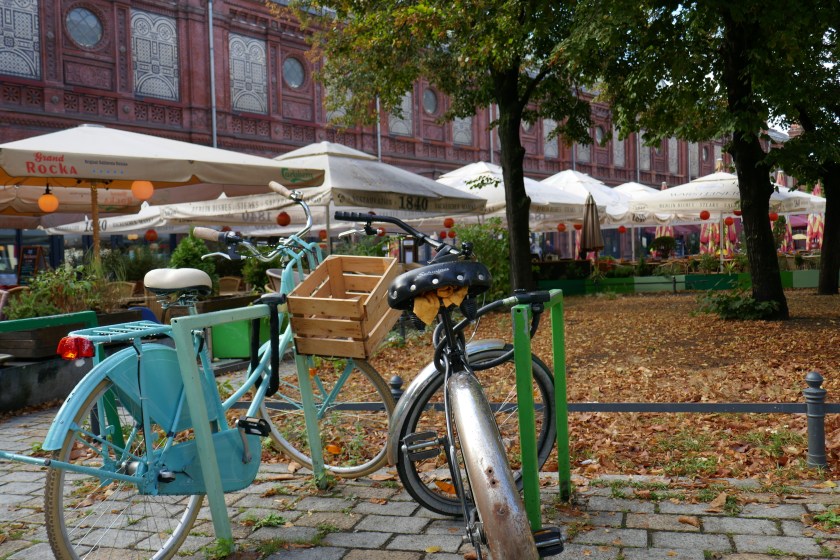
Berlin is heaven for cyclists

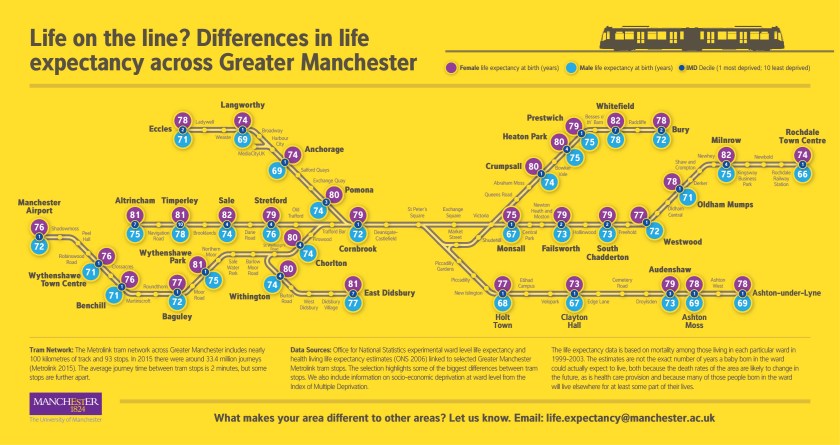
A recently published map of life expectancy in Greater Manchester had a bigger impact on Mr BOTRA than it did on me.  Whereas I have long had a sense of my own mortality and tried to live every day as if it might be my last, this hasn’t really rubbed off on Mr BOTRA.  It took these figures from the University of Manchester for the short time we might have left to hit home.  The pictorial depiction of life expectancy using the Greater Manchester Metro tram map is a good way to demonstrate how deprivation affects life expectancy.  Our nearest tram stop is Anchorage and the map suggests that while I might survive until the grand old age of 74 years, Mr BOTRA will pop his clogs when he is just 69.

Of course, as a scientist, he understands that life expectancy is an average and includes all those who die shortly after birth or as young adults and the figures do not actually represent the life span he can expect to achieve.  This map and the figures are useful for public health campaigners but it doesn’t really help us plan for retirement and if we really expected to die at 74 and 69 we would have retired long ago!

As a non-smoker, cyclist and hill walker and certainly not poor, Mr BOTRA can expect to live longer than those who live a less privileged life and yet how these lifestyle choices and genes interact to decide a life-span is complex.  These thoughts of mortality got us thinking about how the urban area we live in where the air quality is poor might affect our health.  We love the vibrancy of living in the city and just hope that our regular forays to the hills and the countryside mitigate this air pollution.  Of course, we might be misguided, only time will tell.

What is a tragedy is that in England the wealthy continue to have considerably better health outcomes than the poor, as the map below shows:

Men and women aged 65 years in Manchester have the lowest life expectancy compared to other areas of the UK – men 15.9 years; women 18.8 years. This compares to 21.6 years for men in Kensington and Chelsea and 24.6 years for women in Camden. Healthy life expectancy (years of life in good health) can be as low as 54.4 years old for women in Manchester, compared to 72.2 years in Richmond upon Thames.

tram.jpg


Alice asked the Cheshire Cat … ‘What road do I take?’

1412-near-balerma-almeria-005
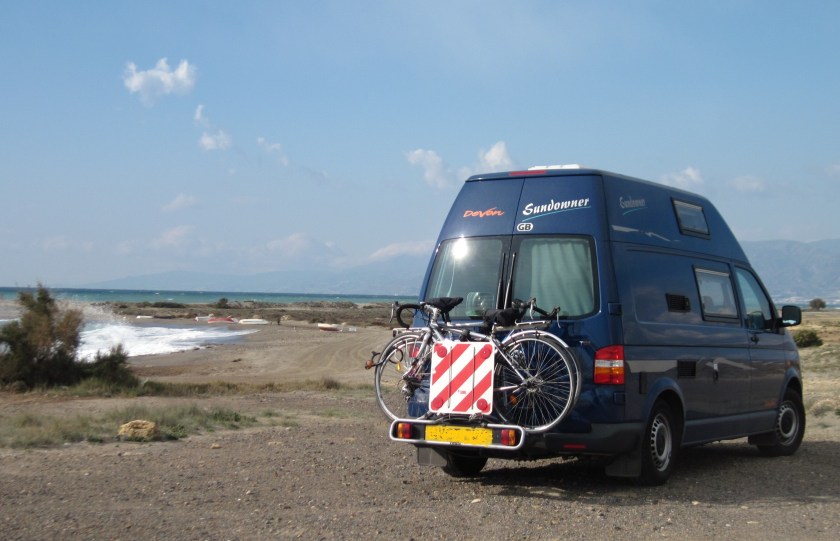
The Blue Bus by the Spanish coast

Sometimes it comes up in conversation and I tell people we had a gap year, living in our campervan for twelve months and travelling around the southern parts of Europe.  Most people’s reaction is, ‘I would love to do that’ with a dreamy look in their eyes and I don’t deny that it was a fantastic experience.  I have noticed that lots of people buy in to the romantic idea of the freedom of the road in a campervan and want to be part of that.  I don’t wish to trample on anyone’s dreams but if our conversation continues I often add that although I understand that everyone has specific circumstances that might explain why they can’t drive off in to the sunset, if we can do it then lots of other people can.

If the gap-year enthusiast is still with me I might mention that the trip was at least three years in the planning, that we saved a lot of money, sold everything we didn’t need, downsized the house and gave up secure jobs to do it and that fortunately Mr BOTRA and I love each other very much and so don’t find sharing the [lack of] space in a small campervan a problem.  At this point many people start to lose enthusiasm and reconsider, realising they don’t really want to go to that much trouble just to travel around in a tin box.  If they stay with me I might refer to how much we missed our son and daughter-in-law and friends while we were away and a few more fall by the wayside.  The final nail in this conversation can be when I explain the amount of effort we had to put in to find new jobs when we returned.  Of course, lots of other people do get organised and plan and execute a similar / longer / more adventurous trip and I am happy to share any useful experience I have with these folk; they are not just dreamers but are people who make things happen.

No matter what personality test I take I have always come out as a doer.  I used to co-run workshops for community groups and organisations where we took them through a visioning exercise, thinking about their community or organisation in five or ten years time, mapping that vision and then supporting them in planning the multitude of steps required to make that dream a reality.  To me this sort of planning is second nature but it became clear that some people were good at the vision but hopeless with the planning and even more struggled to get beyond the first couple of steps on the path to their dream.  Staying true to an idea through the tiny steps of the planning stage can be a struggle and needs perseverance and strength, an ability to pick yourself up when you get knocked down and a willingness to be adaptable when circumstances change along the way.

There are as many different dreams out there as there are individuals and I would love to be able to congratulate everyone who has ever had a plan and made it real.  The Financial Independence and Early Retirement community is not dissimilar to the [later life] gap year in a campervan community; they are people who have a dream or a vision of a different life and make it happen, even though the planning and saving to achieve this dream might take many years.

Although when travelling I like to see where the road takes me, in terms of life I like to have a plan and so my favourite life quote is from the great story teller Lewis Carroll in Alice in Wonderland, when Alice met the Cheshire Cat:

“Alice asked the Cheshire Cat, who was sitting in a tree, “What road do I take?”
The cat asked, “Where do you want to go?”
“I don’t know,” Alice answered.
“Then,” said the cat, “it really doesn’t matter, does it?”