Ordsall Hall: #surprisingsalford #11

Ordsall autumn 2016 (13).JPG
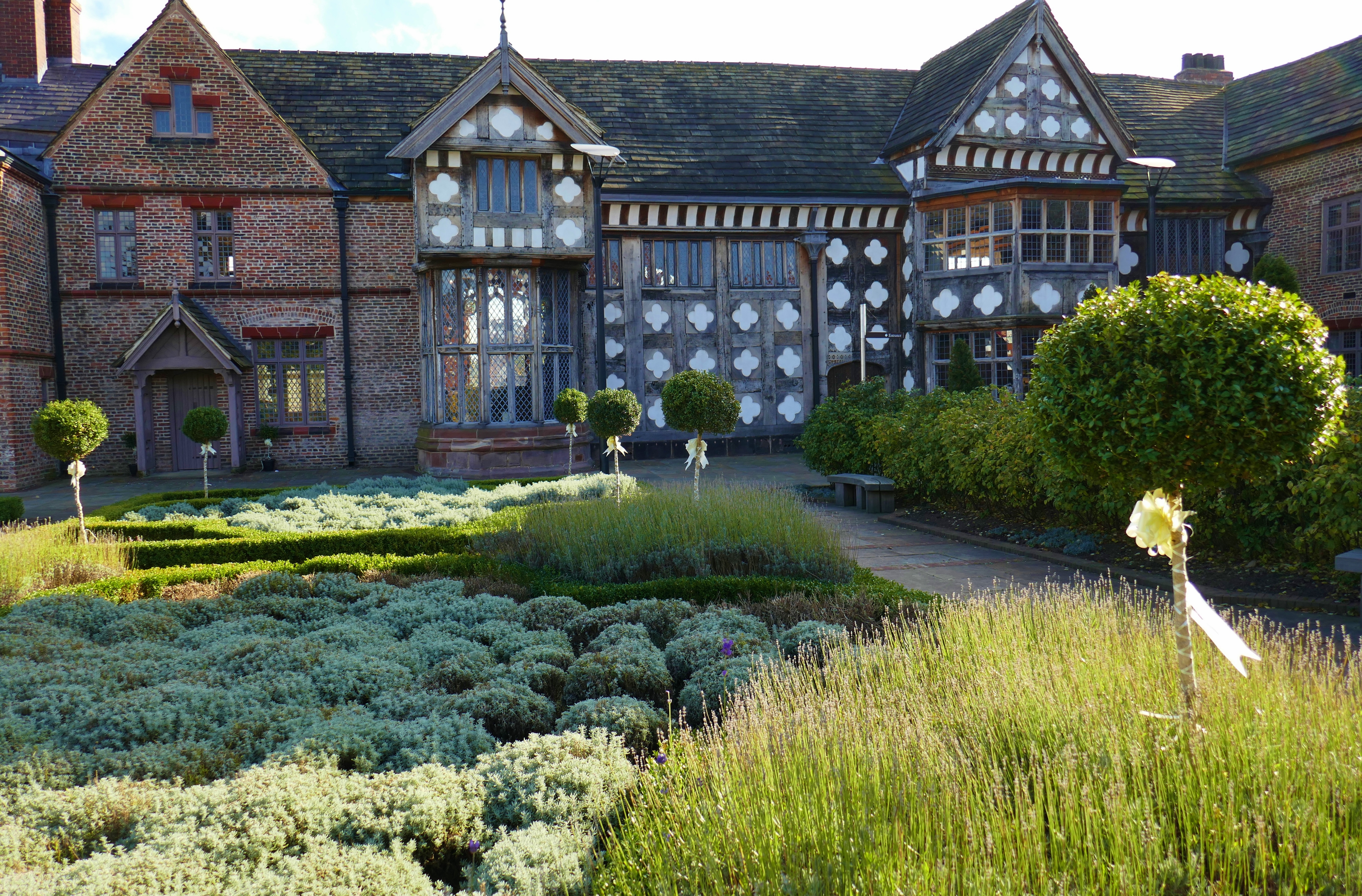
Ordsall Hall dressed for a wedding

So you’ve got an image of Salford.  This might include cobbled streets of terraced houses, the tower blocks and bright lights of Media City and maybe green public parks if you have read all of my #surprisingsalford series, but a beautiful Tudor manor house is probably not featuring in your mind’s eye and yet Salford is where you will find Ordsall Hall.  Today Ordsall Hall is in many ways the jewel in the crown of Salford.  It had fallen in to disrepair and when we arrived in Salford it was covered in scaffolding being refurbished.  Over two years the building was fully restored and re-opened and it is now a place for visitors and as a venue for weddings or meetings.

Ordsall Hall is a Grade 1 listed building that is timber-framed and parts of it date back to the 14th century.  From the outside Ordsall Hall is a handsome combination of brick and timber-frame set in lawns and restored gardens.  Inside the building has many treasures including a Great Hall, medieval stained glass and a rare Italianate plaster ceiling from the 1500s.

With a history spanning over 800 years, Ordsall Hall has seen many dramas and lives and there is talk of ghosts that haunt the building.  The house came in to the ownership of the Radclyffe family in 1335, who made their mark on the building.  By 1380 Sir John Radclyffe had extended the house to include a great hall, five chambers, a chapel, stables and a dovecote.  In the 16th century Sir Alexander Radclyffe became the High Sheriff of Lancashire and he built the current great hall and a brick house on the west end of the house, which is thought to have been the home of the bailiff.  The cost of this extension and the English Civil War left Alexander, a Royalist, in prison and in financial hardship and his son and heir sold Ordsall Hall to Colonel John Birch in 1662.  There is a legend that Guy Fawkes and Robert Catesby plotted to overthrow King James in 1605 at Ordsall Hall.

The house changed ownership many times over the years; from 1872 until 1875 the artist Frederic Shields lived at Ordsall Hall.  He was friends with John Ruskin and in a letter to Ruskin described the house as ‘the happiest refuge I have ever nested in’.  But Salford changed after this period and the fields and woodland that had surrounded Ordsall Hall were replaced with factories and terraced housing, the Hall was on the edge of Manchester Docks and would have been surrounded by noise and bustle.  Amazingly, the hall stayed and was used by Haworth’s Mill, a cotton spinning factory on Ordsall Lane, as a working men’s club with a gym, skittle alley and bowling green.  A men’s social club survived through a major restoration and the building was used as Manchester Theological College until 1940.

Salford Council purchased Ordsall Hall in 1959 and it was opened to the public in 1972 as a house and local history museum before undergoing the renovation and reopening in 2011.  It is now a building Salford is justifiably proud of.


Taking a break from culture & enjoying #vanlife chores

I am sure this makes me seem a little bit weird but I have decided to be honest here … although I love exploring new places, learning about new cultures and finding out the history of an area, I also love the days when we stay on a campsite and do the chores; the laundry, clean the ‘van and generally chill out. There is something smuggly satisfying about a line full of laundry drying in the sun, particularly when you have washed it all by hand. I also find that on a long trip away in the camper, when we are travelling for a few months, I need a day every now and then when my brain gets a break from having to absorb new ideas and sights and I can just concentrate on simple things like cleaning, reading and writing.

When we are away for more than a week we need to wash clothes, bedding and towels.  Sometimes we pay to use the campsite washing machine but often we will wash by hand.  All our clothes are ‘technical’ which means they dry in an hour or so.  Our duvet covers and sheets are thin cotton that don’t take too long to dry and we use hamman cotton towels and travel towels rather than heavy towelling.  This all means that laundry is stress-free.  We often wash underwear and t-shirts as we go as they dry so quickly.

So yes it might be just a little weird to enjoy these days but they give me space to process all the new things we have seen on a trip.  One day is enough though.  After a chilled out day I am ready to hit the road and find new places once again.

Chapel Street:#surprisingsalford #10

Chapel Street Feb 2017 (2).JPG
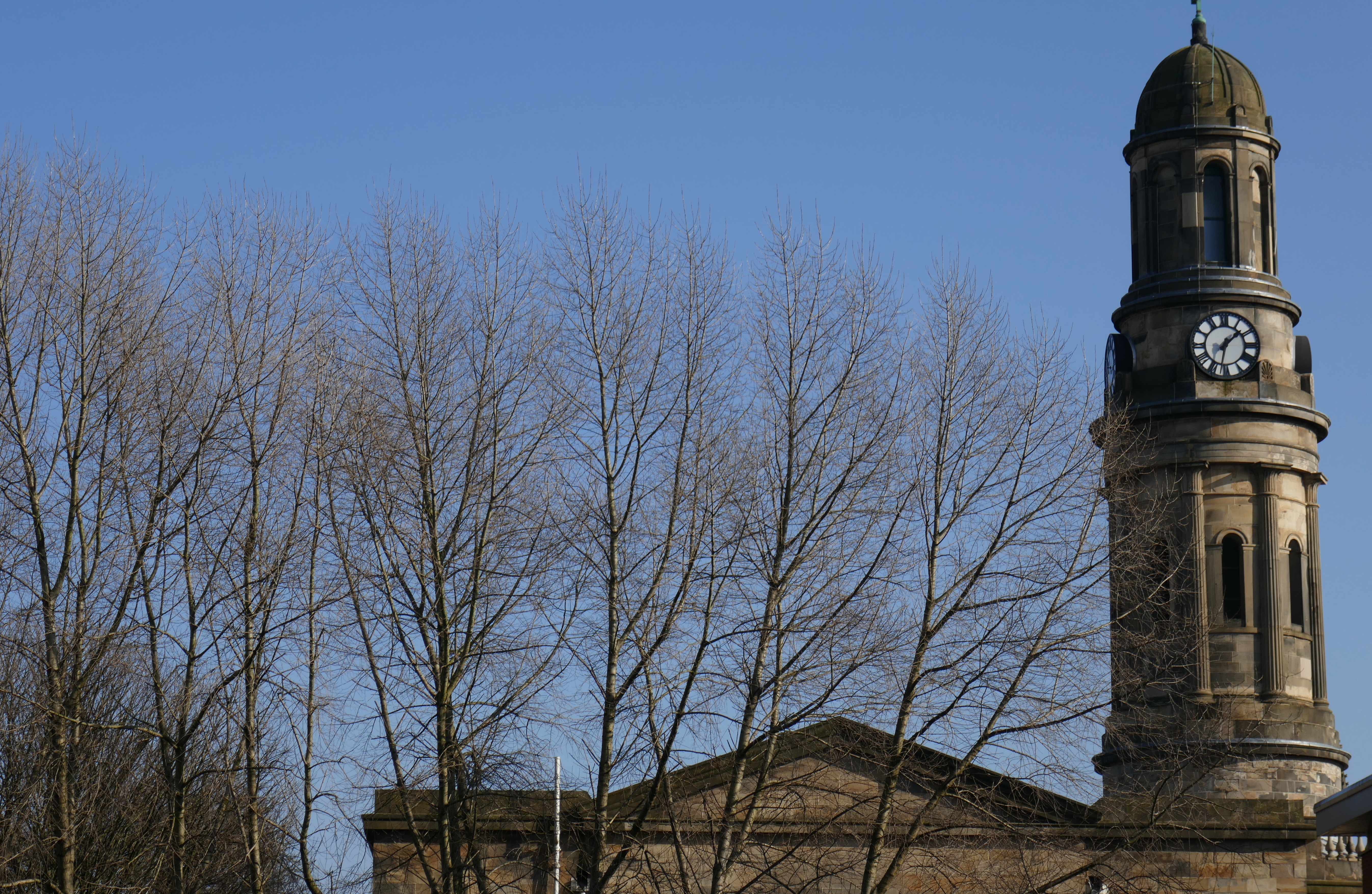
St Phillip’s Church on Chapel Street, Salford

Chapel Street is a truly delightful, as well as an historic part of Salford.  The street runs from Blackfriars Bridge which crosses the river Irwell in to Manchester and cuts across a wide meander in the Irwell until it merges in to The Crescent where it meets the river again at Peel Park.  Chapel Street is packed with historical buildings and has long been an important street for both Salford and the nation, as the street is also part of the A6 London to Glasgow road.  The street runs through what was the heart of Salford in medieval times and back in 1806 it was the first street in the UK to be lit by gas lights.  Walking down Chapel Street there is always something I haven’t spotted before among the religious buildings, pubs, public buildings and relics of Salford’s industrial past.

The name Chapel Street comes from the lovely Sacred Trinity Church surrounded by garden and Salford’s oldest church, its name was formerly chapel.  Lowry painted Sacred Trinity in 1925 along with the Flat Iron Market that was in front of the church until the 1930s.  Further along Chapel Street is St John’s Cathedral and the neo-classical St Phillip’s Church with its semi-circular columned portico and clock and bell tower.

Strolling along the recently improved pavements of Chapel Street you can spot the old Town Hall , the former Gas Works Offices, the old Education Offices and various court buildings, as well as the old Salford Royal Hospital which is now apartments.  It was on Chapel Street that Vimto, that fantastic sweet and fruity cordial that is a treat served hot, was made from 1910 to 1927.

The small tree-lined Bexley Square in front of the old Town Hall is a pretty spot today but it was the site of the Battle of Bexley Square on 1 October 1931 when the National Unemployed Workers’ Movement demonstrated against the cuts in unemployment benefit.  After the crash of 1929 unemployment was out of control in Britain and in austerity measures that mirror those of today, the National Government under Conservative leadership implemented cuts of 10% to unemployment benefit and introduced the means test which put many people in to extreme hardship.  Thousands marched on the Town Hall to have their voice heard.  Walter Greenwood was present at the demonstration and included it in his novel Love on the Dole and Jimmy Miller was involved in organising the demonstration, he later became well known as a folk singer and actor under the name of Ewan MacColl.  The unemployed people marched peacefully but they were obstructed and then brutally attacked by the police.

Chapel Street is pretty good for a Salford pub crawl and some old characterful pubs still survive here.  Good beers are available at The New Oxford, The Kings Arms just off the main drag with comedy nights and music and at the top end of the street nearer to the University is The Crescent, previously called The Red Dragon and reputedly a haunt of Karl Marx and Frederick Engels when they were here.  Salford Council produce a heritage trail of Chapel Street which is fun to follow in between your visits to the pubs and gives more information about the buildings and the history of the street.

Buile Hill Park: #surprisingsalford #9

20170312_114056.jpg
Spring flowers in Buile Hill Park

Salford isn’t all parkland but I couldn’t continue my surprising Salford series for much longer without covering Buile Hill Park.  As the name suggests this large park climbs up the hill to Eccles Old Road in Seedley.  The park is surrounded by houses and is always popular; there are always walkers here whatever time of day or week you visit.  This is also the park where many Salfordians will gather on Bonfire Night for the best firework display.  What we call Buile Hill Park is a combination of spaces that started with Seedley Park; the second public park in Salford, opened after Peel Park in 1876.  In 1903 the park was enlarged when the grounds of Buile Hill House were opened as a park, in 1927 the grounds of Springfield Villa were added and in 1938 the grounds of Hart Hill House were opened to the public.  Of these buildings only Buile Hill House still remains; Salford Council bought this house in 1902 and local people raised money to help with the conversion to a public park.

Buile Hill House was built in 1827 as the home of Sir Thomas Potter, the first Lord Mayor of Manchester, a linen draper and co-founder of the Manchester Guardian and was one of many mansions along Eccles Old Road, known locally as Millionaires Row around 100 years ago when you were more likely to see a Rolls Royce than a dog walker.  Times have changed and these spaces are now for everyone’s use.

Buile Hill House became a mining museum, with a mock mine and pit cage and by the 1990s had a wide collection of mining memorability.  It closed in 2000 and has been boarded up ever since, a cause of much sadness in Salford.

This incremental development makes the park more interesting.  We always start at the ‘bottom’ of the park, in the original Seedley Park that is laid out as traditional parkland with a central avenue.  Walking up the hill, I like to wander through the woodland looking for birds and squirrels before following the paths around the back of Buile Hill House to the large expanses of grassland.  Walking around the hall, the best view south across Greater Manchester can be found from a sunny path below Buile Hill Park Hall and it is always worth pausing here.  As we walk down the hill, if there are no young people around we might have a go on the adventure playground or try out the exercise machines before walking around the allotments to see what is growing.

buile-hill-park-jan-2017-6
Looking down the hill of Buile Hill Park

Peel Park: #surprisingsalford #8

Peel Park Jan 2017 (8).JPG
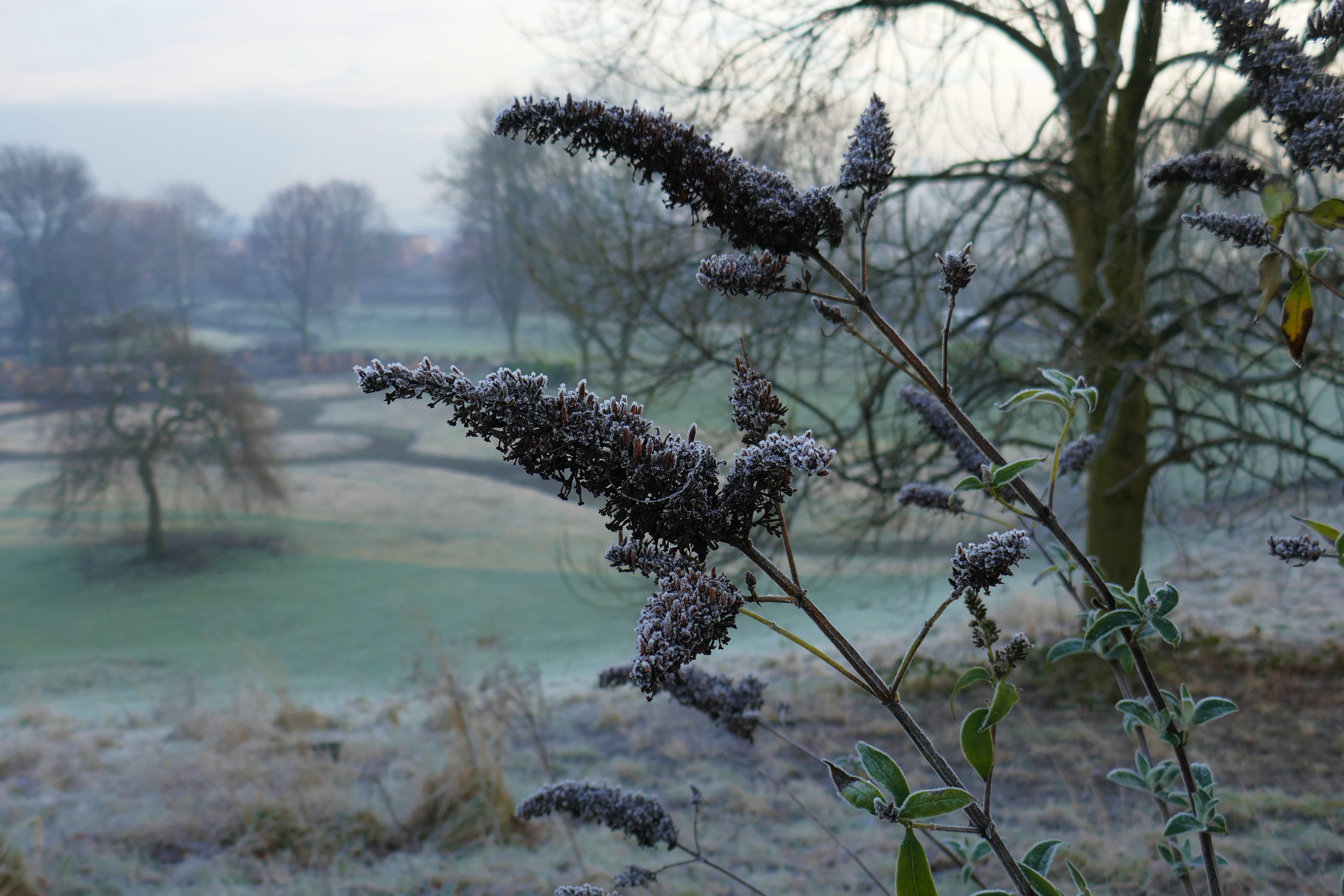
A wintery scene across Peel Park

Peel Park is undergoing a transformation.  Once the city park of Salford this was the place to stroll by flower beds, watch the fountains, play quoits, listen to a band and watch the ducks on the river while the children frolicked on the playground.  Named in honour of Robert Peel, the prime minister who died in 1850, the year before Queen Victoria visited Salford and Manchester and Peel Park was at the centre of the celebrations.  It is reported that 80,000 Sunday School children sang the national anthem for the royal visitors.  The park was paid for by public subscription and was the first of three parks to be opened on 22 August 1846, the other two were opened later that day in Manchester.  Peel Park was built on the gardens of the former Lark Hill Villa, which overlooked the park and later became a public library and is now the Museum and Art Gallery.  Lark Hill Villa was built in the 1790s high above the river to make the most of the then rural view.  The year after Peel Park opened, in 1847, 30,000 people visited the park in one week, in 1901 there were 29,385 bowlers using the greens.  Salford was proud of its park and over the years improved and modified the original design and LS Lowry painted Peel Park a number of times in the early 20th century.

Being alongside the River Irwell and in the river’s floodplain Peel Park has flooded a number of times, the first of these in 1866 and again in 1870.  Most recently the park flooded in the Boxing Day floods of 2015.

The University of Salford buildings now hide Peel Park from the traffic of the A6 and visitors have to make their way through the campus to find the park.  When we moved to Salford we sought out Peel Park and found a neglected green space which despite this was still pleasant to walk through following the path by the River Irwell.  Heritage Lottery funding now means that this summer a refurbished Peel Park will open and will once more be a park that Salford can be proud of.

Wales: surprising and delightful

2017 March Gladstone Library (5).JPG
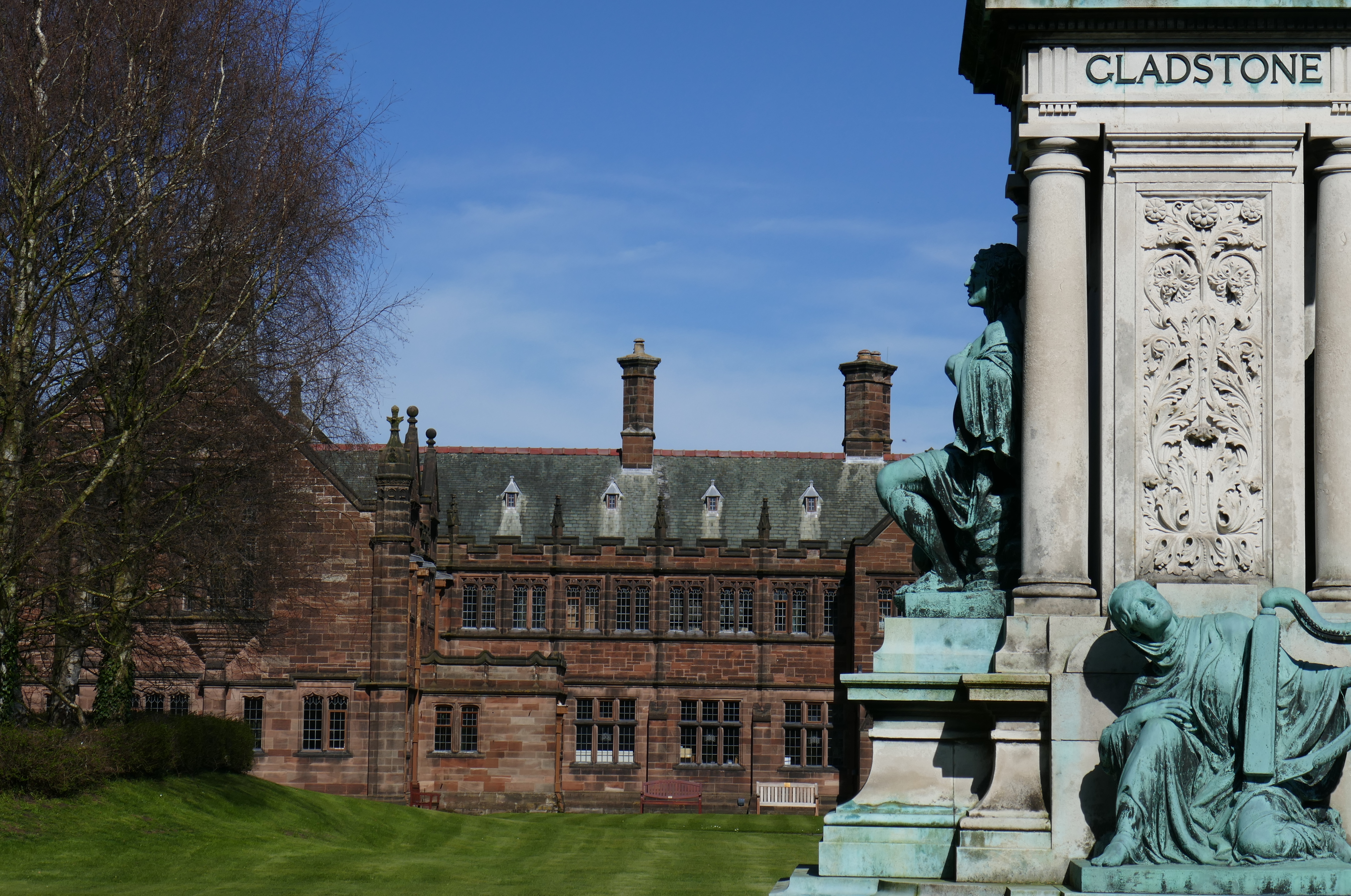
The Gladstone Library in Hawarden

Finding an unexpected gem is one of the lovely things about travelling and it can happen even near to home.  The Gladstone Library in Hawarden just over the Welsh border beyond Chester was one of those moments.  We were walking through the beautiful Hawarden countryside, watching early butterflies on the verges and stopping to examine the first signs of Spring.  In the village we sought out a tea shop for refreshments and found much more.  The grand stone 19th century building in the photograph is The Gladstone Library.  This building holds over 150,000 items in its library and has a reading room where many writers have toiled.  The magnificent building also runs a variety of residential events and courses; you can learn languages or brush up on your local history or theology.  Alongside this, anyone can pop in and enjoy the atmosphere and comfort of the building as visitors to the tea room, and sitting in the elegant dining room with excellent afternoon tea and a view over the well-tended gardens is hard to beat.

It became a weekend of memorable cafe stops, as the one we found the next day made a good attempt to rival the Gladstone Library.  Having stayed near to Llanrwst we walked in more sunshine to Grey Mares Tale waterfall and through the woodland and old mine workings emerging over the hill to a panoramic view of the Snowdonia hills across the trees.   We stopped for a picnic lunch at Llyn Geirionydd, watching red kites soar across the blue sky.  At the remote Llyn Grafnant you wouldn’t expect to find any facilities but here we stumbled upon another fantastic Welsh cafe on the banks of the lake.  The cafe was being run by two people who sparred in an amiable fashion over the cakes and teapots in the converted Welsh stone barn, entertaining us as we chose which cakes to try.  We sat on a bench in the garden with home-made cake on china plates, lazily watching kayaks on the lake and making friends with the ginger tom cat that stopped by, it was blissful.

It seems that even places just an hour or so from home are still waiting to be explored.  It is just as well we are retired and have the chance to find more hidden gems.


Recognising the pattern of our day will be different in retirement

2016 March Wigglesworth Cottage (19).JPG

For as long as I can remember Mr BOTRA and I have generally spent the first half an hour or so after work in what I think of as our evening debrief.  Once we are both home from work we will put the kettle on for that essential pot of tea and then sit down and share our news from the day or talk through something we need to sort out.  We might chew over a tough problem, making use of the each others insights to find a solution, we might share something we have learnt or blow off steam about something annoying.  This dedicated time has always given us chance to catch up with each other, transition from work to home and it allows us to then leave work behind for the evening.

When the weather is warm enough we will take our mugs of tea outside and sit in the garden for this debrief.  As our garden is now a shared space this can sometimes mean that we meet neighbours and catch up with them too.  Our garden is in a sheltered quadrangle and has benches that catch the evening sun making it a perfect spot to relax at the end of the day.

When it is cooler or wet we will stay in the flat and sit on the sofa, hands hugging our hot tea gratefully after cycling or walking from work.  There will be no radio or TV on and we just focus on talking to each other for a short while.

Retirement will mean we will mostly be together during the day and this will change the pattern of our days.  The daily debrief will become redundant and I know that I will miss that time.  Will we need to build in dedicated time during the day for talking through ideas and issues or, will our relaxed and retired selves find time to chat to each other naturally throughout the day?  We shall see.

Happy in Arnside whatever the weather

2017 March Silverdale (6).JPG
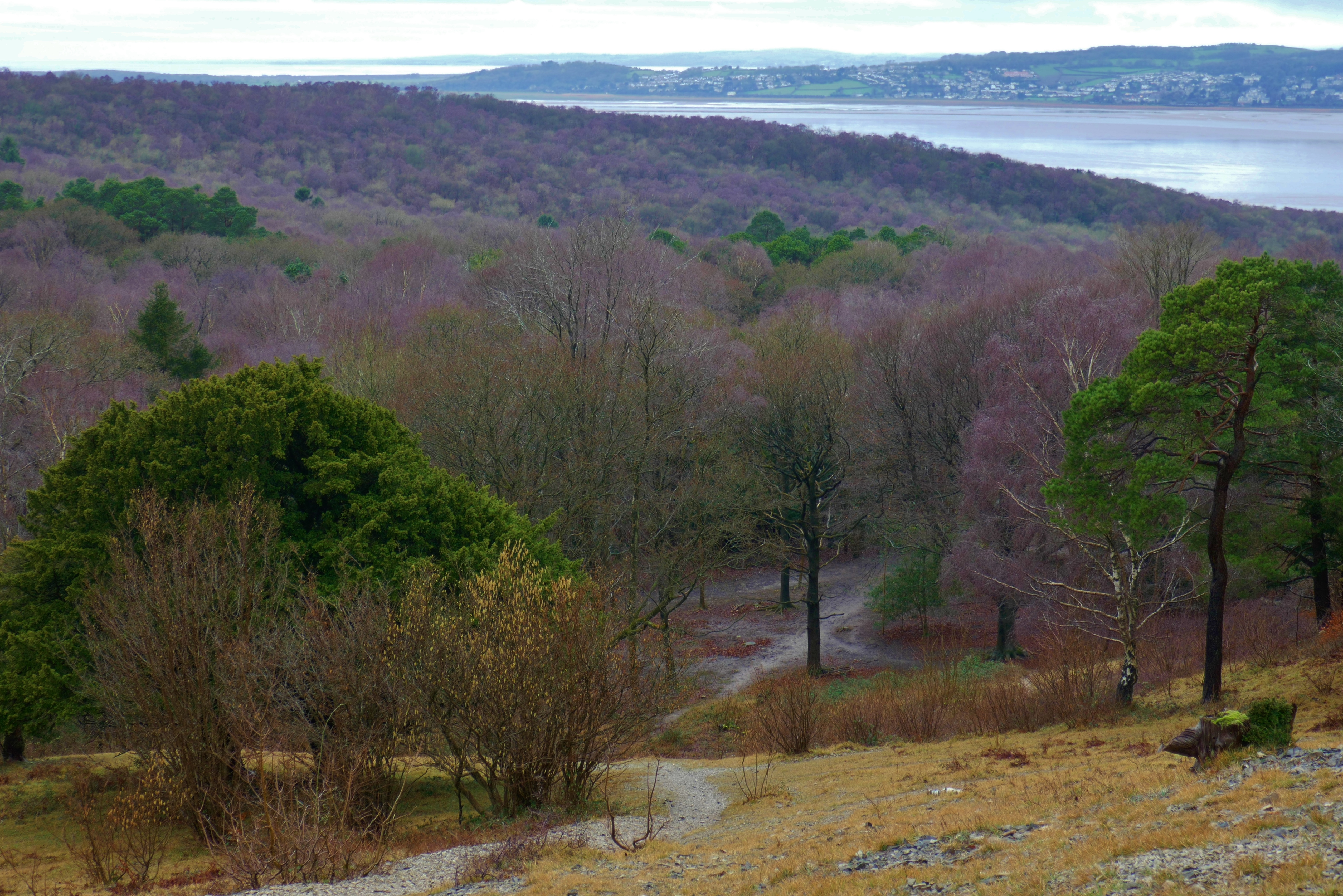
Looking towards Grange-over-Sands from Arnside Knott

Very soon we won’t be constrained by the weekend for our camping trips, we will be able to take off as soon as the sun peeps through and come home when it is damp and cold.  And yet, we do appreciate the variety of weather and seasons we get in the UK and perhaps we will still purposefully take some rainy trips out in the campervan.  We are just back from a few days in Silverdale and Arnside, one of England’s most beautiful areas whatever the weather.  The Area of Outstanding Natural Beauty has everything for a perfect holiday; atmospheric woodland, quiet bays, good tea shops, lots of wildlife and good campsites.  We climbed up Arnside Knott, which is criss-crossed with footpaths and looked down on the river Kent and a moody and magnificent Morecambe Bay from the top.  After a cafe stop in Arnside we explored the chasm of Middlebarrow Quarry, a huge disused quarry, and walked through the lovely Eaves Wood back to the campsite.

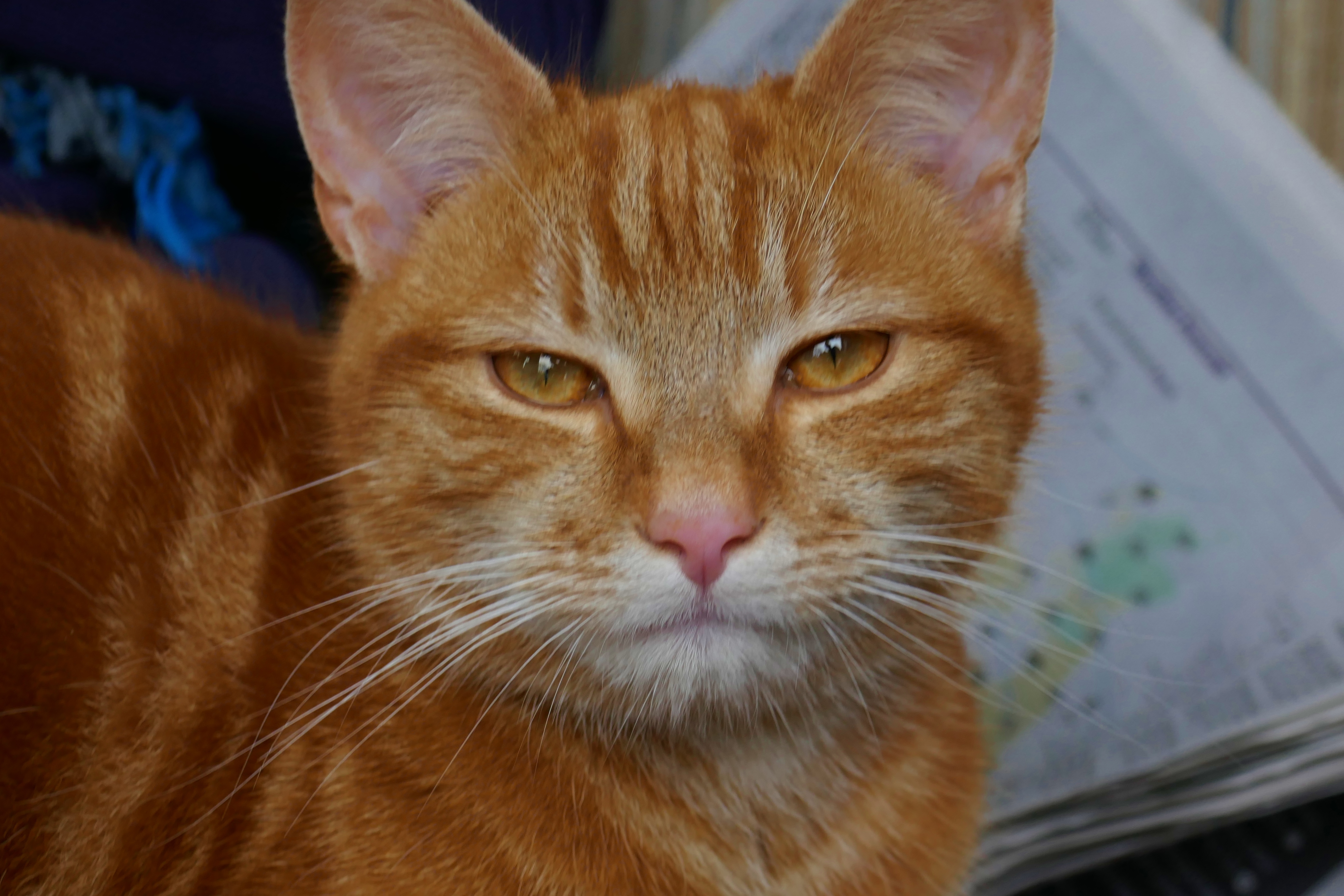
Returning to the ‘van we put our feet up with a brew and read the paper, leaving the big sliding door open as it had stopped raining and the weather was fairly mild.  We were joined by this gorgeous ginger tom with kitten soft fur and deep amber eyes.  He came in cautiously at first but after exploring all the corners of the’van curled up on my lap and purred loudly.  In the ‘van with a brew, the paper and a purring cat – I was in heaven!

2017 March Silverdale (25)
A furry visitor joined us in the ‘van


The variety and extent of our footpaths

2016 August Great Langdale weekend (22)

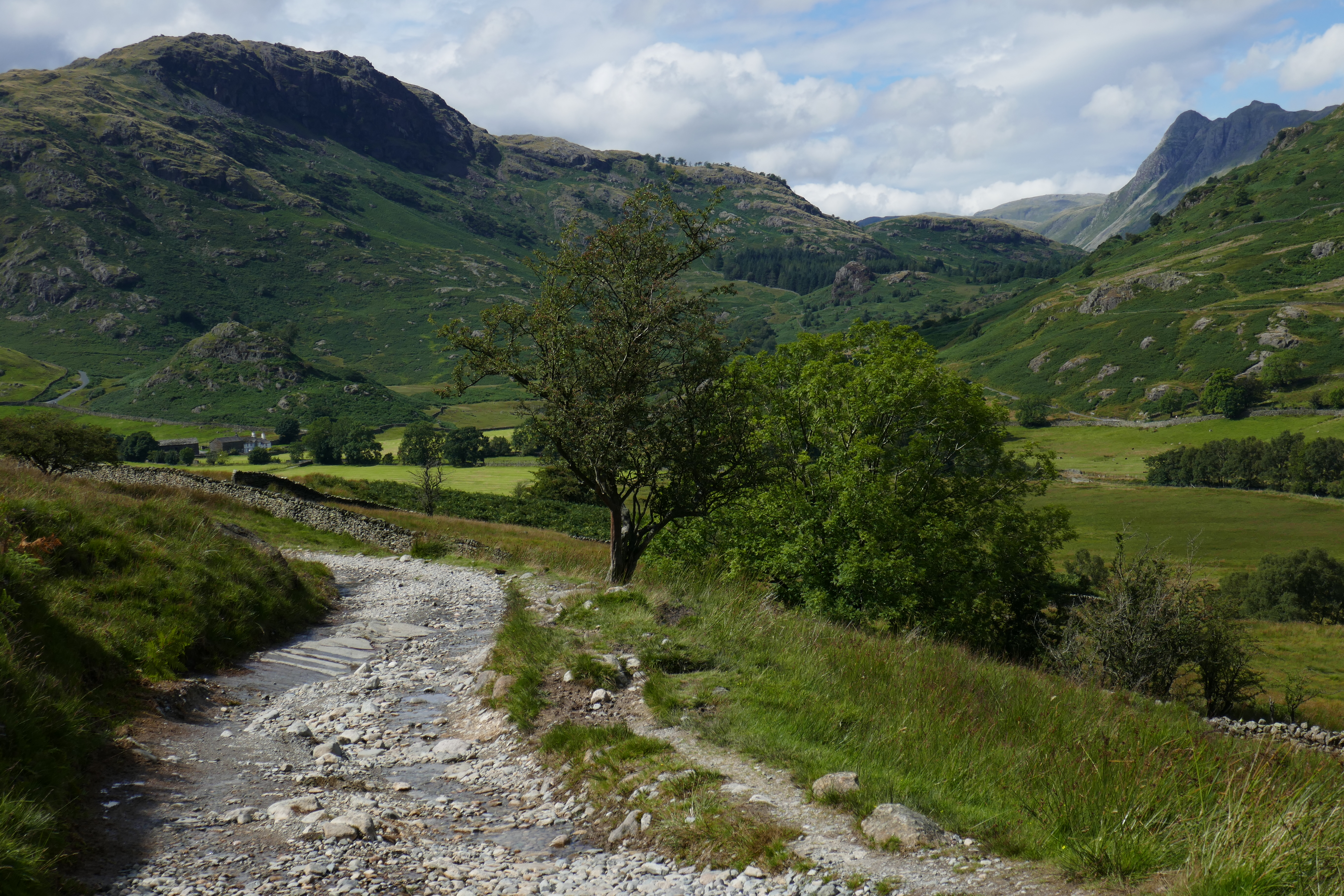
In England and Wales we are lucky enough to have around 140,000 miles of footpath or rights of way to explore.  This is more than the 111,000 miles [180,000 kms] in France [a bigger country].  These footpath, bridal ways and tracks may have been used by Neolithic ancestors, such as the Ridgeway or might be a medieval corpse route or coffin route, linking outlying villages with the burial ground, like the beautiful route from Grasmere in the Lake District.  As well as shorter routes between settlements there are numerous long distance paths; even urban Salford has one.

This network of paths is something we easily take for granted.  We accept that from anywhere in England and Wales you can walk out of your front door and very soon be on a footpath, devoid of cars.  We can browse the relevant excellent Ordnance Survey map and put together a walk of the length and difficulty that suits us that particular day.  We moan when a landowner tries to block a path with some barbed wire or does not maintain the gate but these things can usually be overcome.  It seems in other countries this network of rights of way does not exist.  In the USA there are many excellent trails and paths but these are in specific areas such as national parks that often have to be driven to.  Here in the UK land ownership may come with the obligation to maintain a right of way, a wonderful example of the privilege being required to work for the public good.  Since the 2000 Countryside and Rights of Way Act we also now have open access land, this is uncultivated land where everyone has the right to roam at will, that is away from footpaths.  This land is generally mountains or moorland and may also be privately owned.

Of course, while not all landowners and farmers take care of their footpaths to ensure good access, not all walkers are well behaved either and both sides clash in conflicts from time to time.  Through spring, as lambs begin to appear in our fields I am always horrified to read the usual batch of stories of dog owners who do not maintain control of their dogs within a flock of sheep appear.  The National Sheep Association gives clear advice for dog owners that should be common sense.  The incident last year when 116 sheep died due to being chased by dogs was unusual for the scale but losing even one sheep can be devastating for a farmer.

Walking is great exercise, affordable and good for our mental health.  Taking a walk gives me a chance to think and it is when my brain is most creative.  There are plenty of websites and blogs giving details of the benefits of walking and ideas for routes.  We are lucky to have this network of footpaths to be able to get out and enjoy traffic-free routes and we should fight to keep them when they are under threat.


Losing face over tyre valves

P1080760
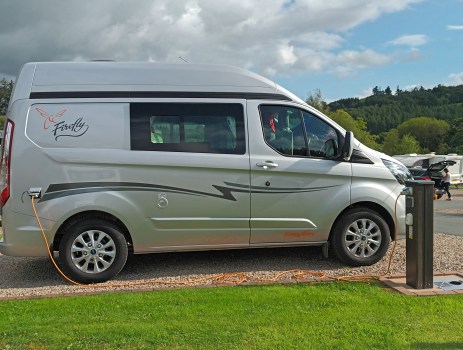
Our campervan in the lovely coastal village of Burghead

I not only write travel articles for MMM I also read it from cover-to-cover.  Consequently, when I read the advice from Terry Acreman regarding fitting high-pressure tyre valves to your motorhome (August 2016), I marked the page and promised to do something about it when we had time.   The weeks passed by and the valves remained on the list, until we eventually had time to tackle this.  I contacted Tyresave, as recommended, and purchase five high-pressure tyre valves [one for the spare] and then booked our Renault Master in to National Tyres in Manchester for the fitting.  The appointed day was sunny and as Manchester city centre is just a 15 minute stroll along the canal from National Tyres we thought we would combine the valve-fitting with a leisurely coffee and a visit to a photography exhibition we wanted to see.

We hadn’t even licked the cappuccino froth from our lips when the phone rang; it was National Tyres to say they couldn’t find the wheel brace.  This wasn’t surprising as it is under the bed; feeling it was too complicated to explain, Mr BOTRA volunteered to walk back while I made a start on the exhibition.  About 20 minutes later, while I was unhurriedly admiring the photographs, my phone rang again.  Having arrived and retrieved the wheel brace, Mr BOTRA was on his way back to the exhibition and the tyre fitter was now ringing to say that the first tyre was off and he could see our ‘van was already fitted with good quality high-pressure tyre valves!

Re-united we both returned along the [now very familiar] canal to pick up the ‘van feeling somewhat shame-faced that we hadn’t realised what sort of valves Renault fit on their ‘vans.  The National Tyre’s fitter was very cheery about the whole thing and, to make us feel better, explained that they had only recently started seeing vans fitted with these valves.  National Tyres didn’t charge us anything and Tyresave took the valves back with a generous refund so only our self-respect was lost.