13 ferries in 2 months: What did our campervan trip to Scotland cost & how does it compare with mainland Europe?

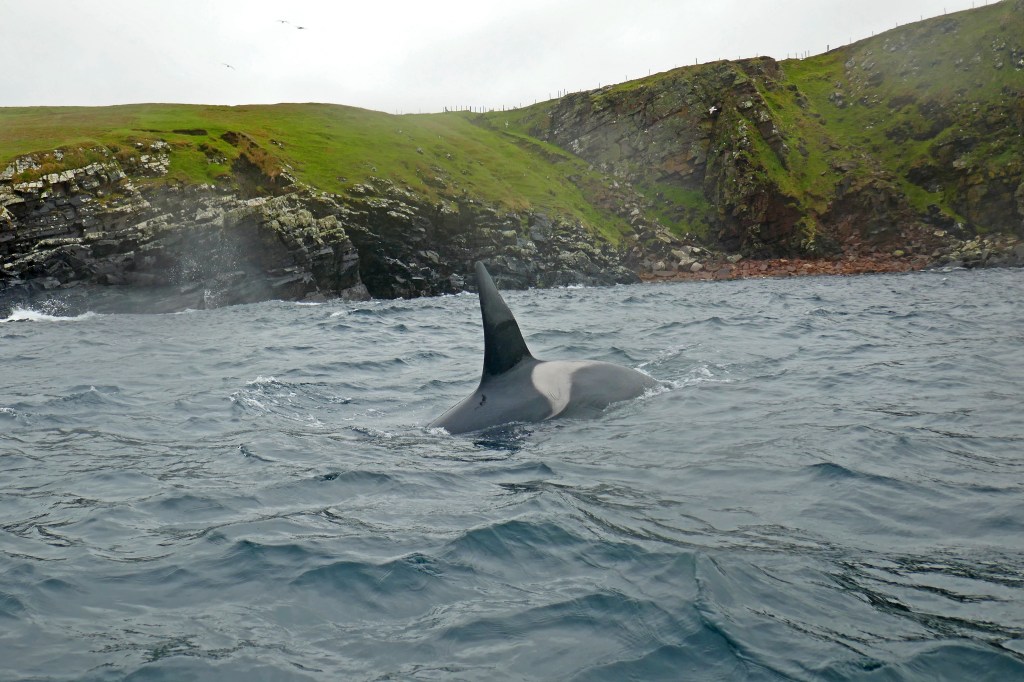
From April to June we were touring around Scotland, from Loch Lomond to Shetland, we spent two months pottering around this beautiful country.  In previous years we have visited mainland Europe in the spring … it was orcas that drew me to Shetland.  I thought it would be interesting to compare what it cost on our campervan trip in Scotland with our previous holidays around mainland Europe.  Of course, every trip is different but I’ve had a go at looking at the costs across different spending lines, comparing it with our trip to Croatia, Italy and France for the same length of time last spring and a slightly shorter trip to Spain last autumn.  How did Scotland stack up?

Diesel – UK higher

We travelled 2,520 miles and spent £460.   [Diesel is cheaper in Europe so although our Scottish mileage is similar to our mileage in Spain last year that trip cost £389 for diesel.  If we take the Blue Bus to the southern areas of Europe the mileage is higher and the cost more].

Food for two hungry vegetarians – UK lower

In Scotland we spent £719.15 in supermarkets.  [In Croatia, Italy and France last spring we spent £958 in supermarkets, despite the wine being cheaper!]

Cafes and restaurants – UK higher

It is hard to compare like-for-like for this spending.  Sometimes in Scotland there is no tea shop for miles and when you are out walking for the day on a mountain there is no chance for a coffee, whereas in Spain and Italy we would often stop for coffee as it is good and cheap.  In Scotland we spent £527.56 during the trip.  [Eating out is often cheaper in Europe.  In Croatia, Italy and France last spring we spent £467 in cafes and restaurants]

Campsites – UK lower

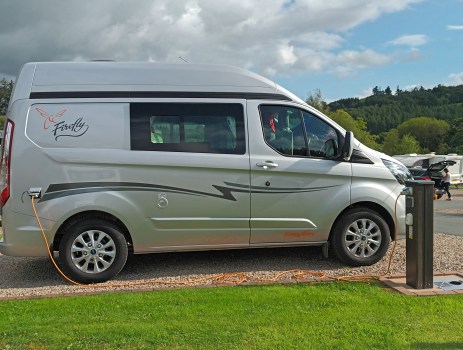
We stayed on campsites for 47 of the 67 nights of our Scotland trip, the cost per night ranged from £5 to £28 – we spent £778.40 .  On Shetland we didn’t wild camp as much as we expected because a) it was cold and we wanted EHU for the heating as there is no LPG available on the island b) we like to support the community and all but one campsite we used was community run and reasonably priced, it would have been rude not to stay on these sites.  [We tend to think UK campsites are expensive but we spent £983 on campsites for the same number of nights away last year, staying mostly in Croatia, Italy and France and using our ACSI card.  Camping in Spain and Portugal is much cheaper.]

Ferries and parking – UK lower

We spent a total of £644.13 on ferries and parking – £525 of this is the return ferry to Shetland, most of the rest is Shetland inter-island ferries and ferries to Bute and Kintyre.  [The Hull to Zeebrugge ferry was £489 last year plus we spent £218 on tolls and parking]

Entrance charges and attractions – UK somewhat lower

In Scotland we spent £234.50, this included two boat trips on Shetland and a pine marten watching trip.  [Last spring we spent £279 on the same budget line]

Other spending £173.57 [includes £25 for a deep tissue massage after Ben Nevis, washing machines, maps, gifts for friends and a pair of warm trousers].

The bottom line – £3,012.10 spent in Scotland [We spent the equivalent of £4,240 [£1,228 more!] on a holiday of the same length last spring that took us to Croatia, Italy and France with a higher mileage and consequently £610 spent on diesel]

For 67 days away our average spending was £44.96 a day in Scotland.

This total isn’t much more than our average in Spain last year of £42.93 / day and the ferry to Shetland was much cheaper than Portsmouth to Bilbao.  Of course, the weather is warmer in Spain!

Our trip to Croatia, Italy and France last spring was considerably more expensive and averaged £61/day due to the longer distances, high prices of Italian campsites and supermarket shopping costing more.

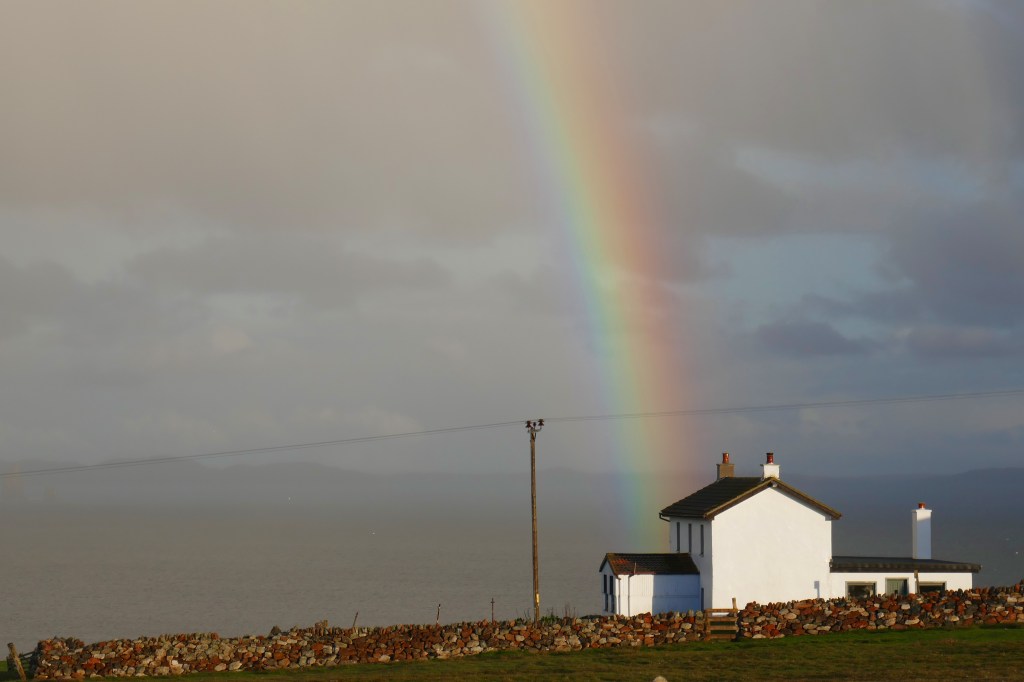
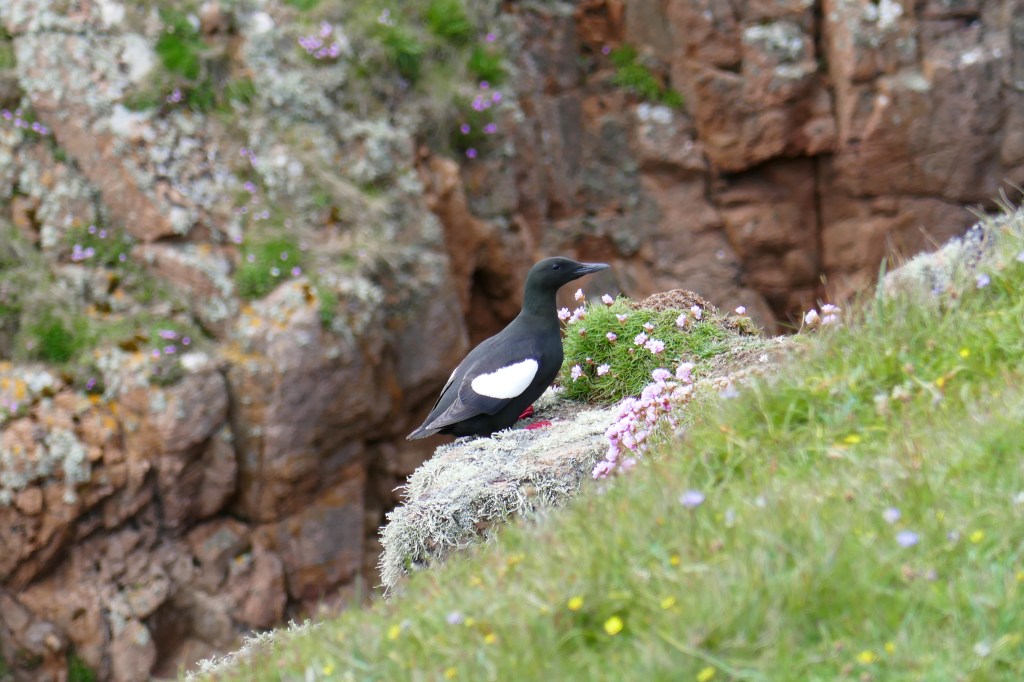
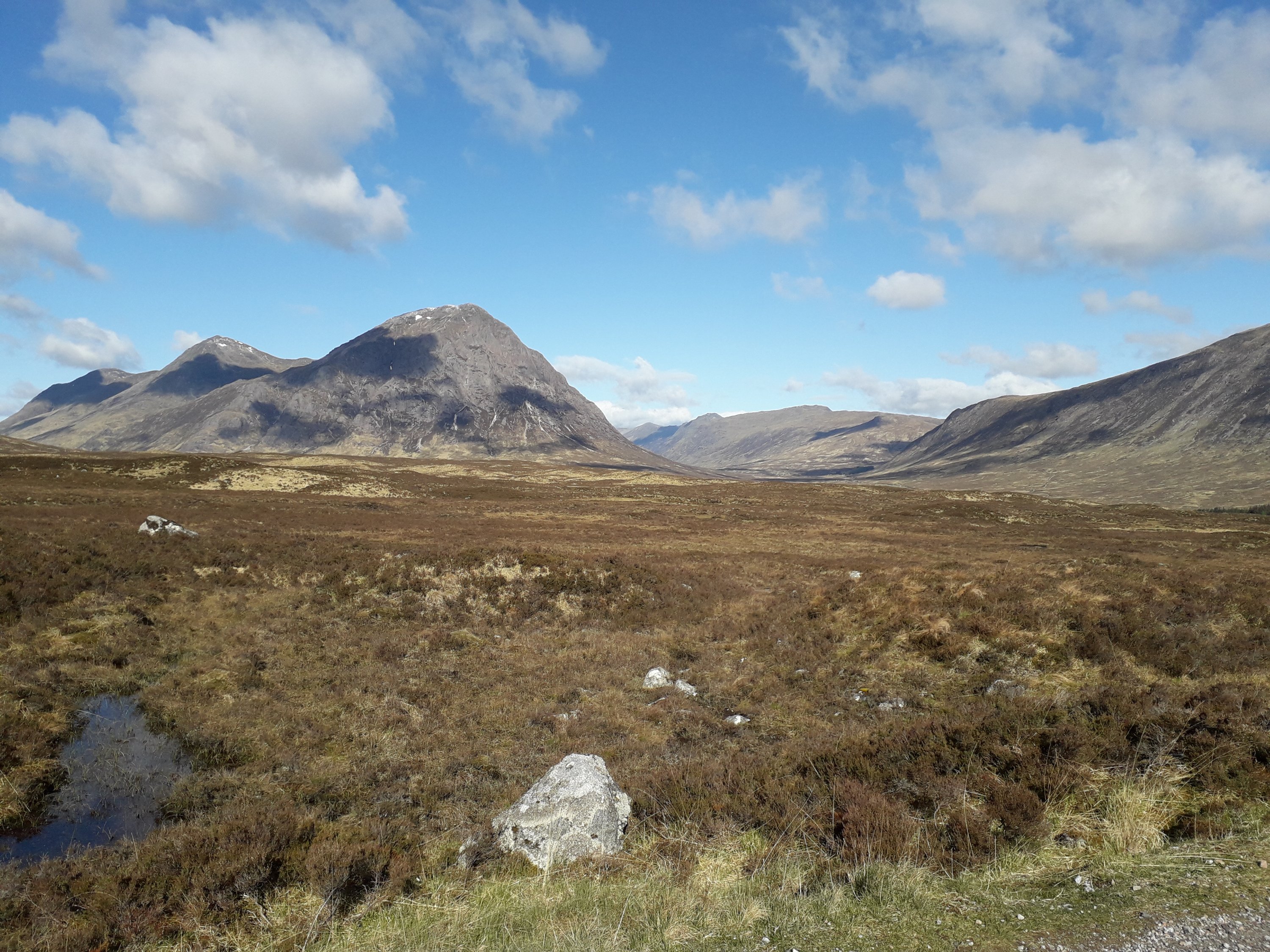
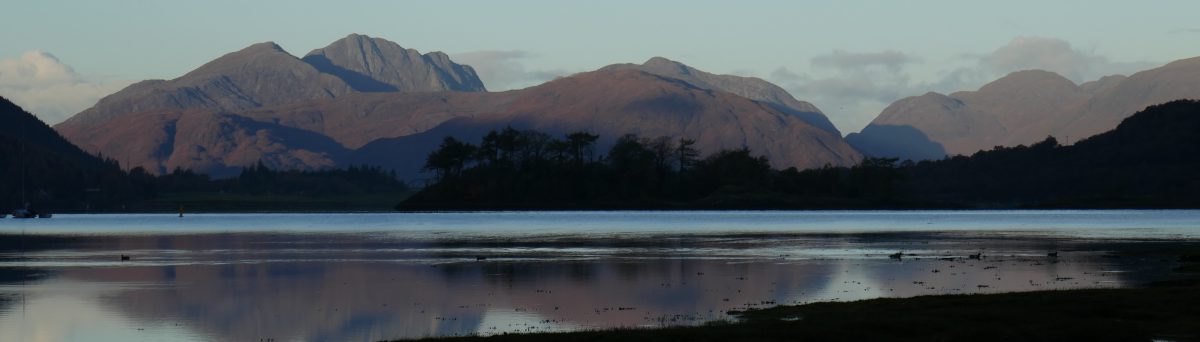
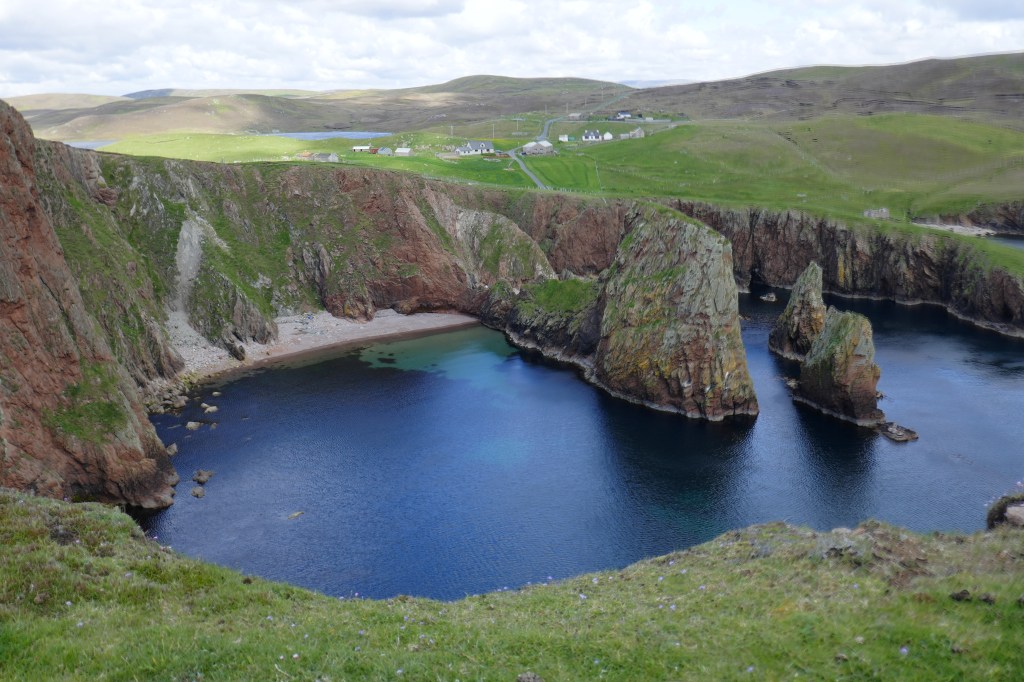
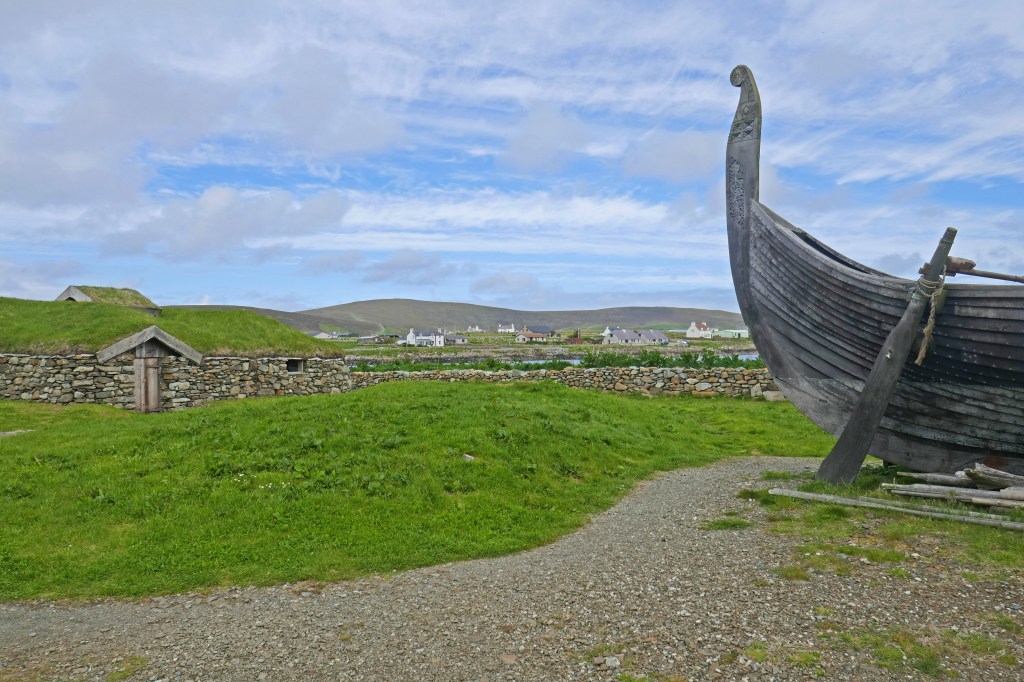
If we hadn’t taken the ferry to Shetland [and missed all the wonderful sights in these photographs – I don’t think so] we would have been quids in … but Shetland’s wonderful campsites were certainly the cheapest.
 

Top tips for a campervan trip to Kintyre, Scotland

Kintyre
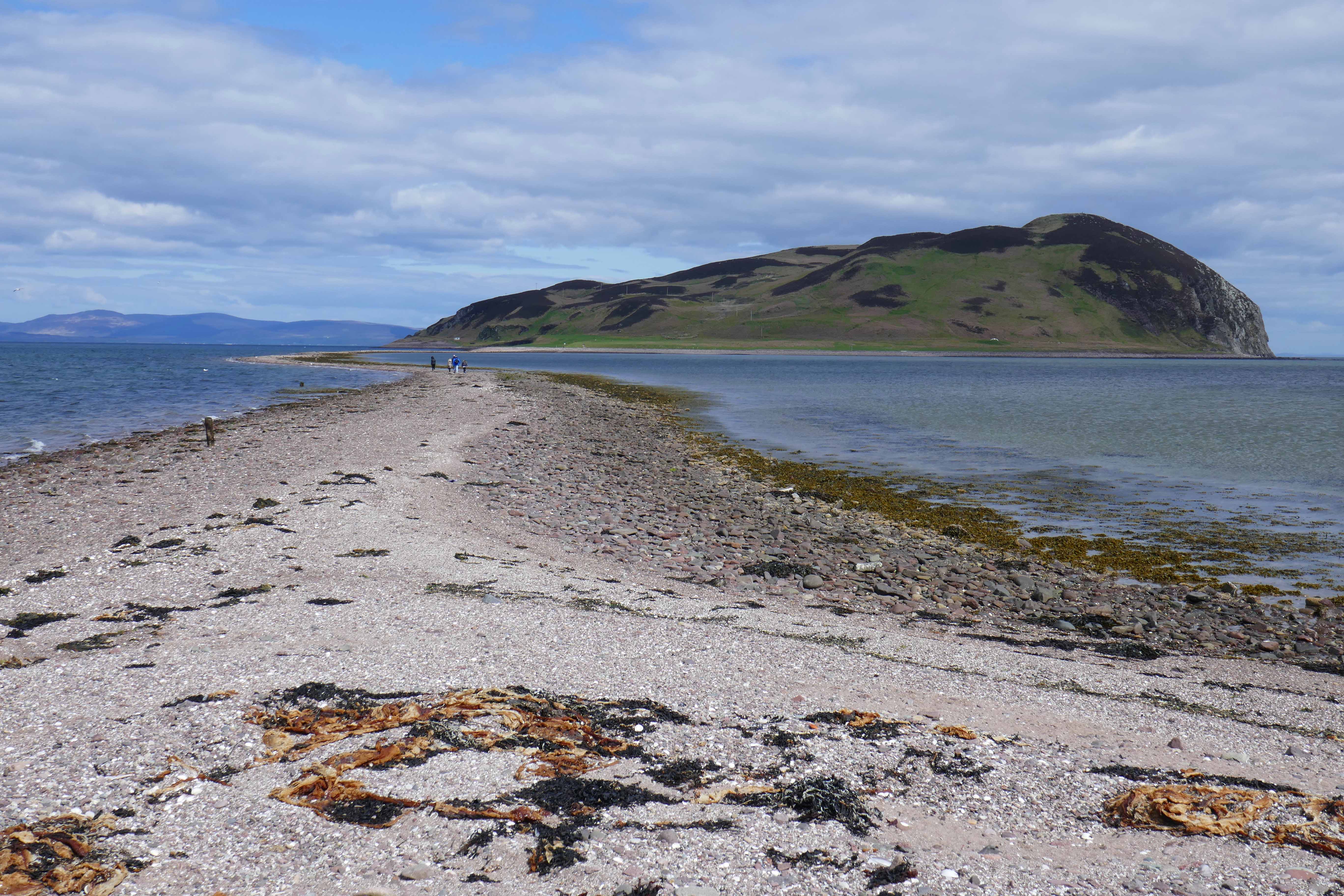
The causeway to Davaar Island

The long finger of the Kintyre Peninsula, on the west coast of Scotland feels almost like an island as the sea is never far away and when you arrive you feel truly off the beaten track.  This scenic and historic area is well worth exploring for a few days.  With quiet roads and different views around every corner it is perfect for a campervan trip.

We took the ferry to Tarbert and arriving by boat in this pretty port felt like the best way to start our tour.  We explored the town that has a pleasant buoyant atmosphere, climbing up to the castle and visited the Loch Fyne Gallery overlooking the quay.  Here among the quirky and beautiful items I found perfect gifts for friends.

Not far from Tarbert, walk through the ornate gateway to find the impressive ruins of Skipness Castle.  Built in the 13th century you can still climb a staircase for the view out to sea and to the tiny chapel at Skipness Point.

Not to missed is Big Jessie’s Tearoom.  Park up and enjoy a friendly welcome and homemade cake or lunch or breakfast with a good cup of tea and a sea view.  Campervans and motorhomes are welcome to stay overnight in the field next to the ferry car park.  You can use the ferry car park too but this can get busy.

Gigha, a community-owned island off the coast of Kintyre, is the perfect size for cycling, being around 10 km long and also happens to be a stunning and friendly place to visit.  We took our bikes on the ferry and cycled the one road from top to bottom.  The spring colour of rhododendrons and camellias and the woodland and walled garden at Achamore Gardens are dazzling.  Like us, you will probably have the bays on the northern tip of Gigha to yourself and enjoy good food, coffee and cakes along with a view at The Boathouse.

After exploring Campbeltown, check the tide times and walk out to the tidal Davaar Island.  It is safe to walk along the causeway three hours either side of low tide and you will have so much fun you need to give yourself plenty of time to get back.  The walk across the stony causeway with the sea on either side has a marvellous airy feel with fantastic views.  On the island scramble around the cliffs on the south side to find the hidden cave painting of the Crucifixion.  This was painted in 1887 by a local artist, Archibald MacKinnon.

On the fresh Atlantic coast of Kintyre is Machrihanish Bay, a beautiful sweep of sand that is three miles long.  The sky is big here and watching the sun set into the sea here is a real treat.  Find a comfy rock to sit on and take in the views of the Paps of Jura and Islay on the horizon and you will hopefully spot seals and maybe an otter.

Follow the narrow and winding road on the east coast and you come to the tiny hamlet of Saddell.  Here you can stroll around the atmospheric Saddell Bay with Saddell Castle, a 16th century tower house that is available to rent through the Landmark Trust.  Inland we found the remains of the Abbey and remarkable medieval grave slabs with effigies of the people buried there.

The Kintyre Way weaves for 161 km around this wonderful and varied peninsular.  We walked a short and easy to follow section of this trail from Carradale to Cnoc nan Gabhar for wide views over Carradale Bay and beyond to Arran.

Overnights

Big Jessie’s Tea Room, Gigha Ferry Terminal – free overnight if you don’t count the homemade cake

Machrihanish Holiday Park a great value campsite that feels spacious and has wide open views and great separate bathrooms, near to a village with a pub.

Carradale Bay Caravan Site –  a popular site on a lovely bay.


Is hitch hiking dead?

A glorious day in Glencoe

When did you last see a hitch hiker?  And if you do see one do you stop and give them a lift?  We recently tried our hand at hitch hiking for the first time for many years.  We had perfect weather while we were in Glencoe, sunny with pretty much wall-to-wall blue skies. We were camping at The Glencoe Mountain Resort and I was keen to walk the section of the West Highland Way from Kingshouse to Kinlochleven that goes over the dramatically named Devil’s Staircase.  This is a steep section of one of General Wade’s military roads and it was the soldiers who built it who gave the path this dark name. This was continued by the workers from Blackwater Dam who used it to reach the hotel at Kingshouse for a pay-day drink and unfortunately some of them never made it back.

We planned a linear walk, starting from our campsite, we suffered no mishaps and enjoyed a fantastic 16 km walk up Devil’s Staircase and along the high path that rewards walkers with tremendous mountain views. We could see Ben Nevis in the distance and looked down on the expanse of Blackwater Reservoir, built for Kinlochleven’s aluminium smelter.

In Kinlochleven we had time for drinks in the climbing centre before catching the bus to Glencoe. We then had a four hour wait for a bus to take us back the 20 km to our campervan. Unbelievably there is no regular bus service through Glencoe, one of Scotland’s most popular walking areas.  Linear walkers just have to wait for one of the infrequent buses linking Skye and Fort William with Glasgow.

We considered sitting the wait out in The Glencoe Inn (not a dreadful way to spend a few hours) or ringing for a taxi but decided to firstly try the frugal option and stuck out our thumbs without much hope of success. ‘No one hitch hikes these days and anyway who would pick up two folk loaded up with rucksacks and walking poles,’ I said as another car sped by.  Then, a miracle happened, after just 15 minutes of hitching a car slowed down and pulled in.

As every hitch hiker knows chatting to people on the road is a big part of the enjoyment of hitch hiking. Our knight in shining armour was on a solo road trip and welcomed some company.  He not only took us right up to our van, he also told us all about his plans to plant thousands of trees on the farm land that had belonged to his parents, shared his thoughts on the short comings of tourism services in Scotland (Glencoe’s lack of bus service giving us a good starting point for that topic) and told us about the ailing aunt in the south he was on his way to visit.

Of course, there were two of us and we felt safe. As a teenager with little money I did hitch hike alone and without a thought.  These days although the risk is low I would think carefully before hitching on my own. We do pick up hitch hikers when we can, although only having one travel seat in our campervan limits us.  Every time we have picked up a hitch hiker we have met interesting people with a story to share.

I’m pleased to report that hitch hiking isn’t quite dead in the UK, although since our own experience in Glencoe we’ve not seen another hitch hiker to have the chance to help keep frugal travelling alive.

A week of stunning hill walking around Arrochar & Loch Lomond in Scotland

The Cobbler

A week of good weather in Scotland in April was such a gift. One that gave us plenty of opportunity for some great hill walking around the Loch Lomond and Arrochar areas just north of Glasgow.

We started off with a mountain that was once a Munro (A Scottish mountain that is over 3,000 foot / 917 m) but it was demoted when more accurate surveys found it to be just short of the magic number. That doesn’t mean Beinn an Lochain is an easy walk and for our first day out on the hills it felt like tough going. The accent is steep and relentless with sections more of a scramble than a walk but the reward is great views. We set off and returned to the lay-by after the Rest and be Thankful summit on the A83. The path fades away in places and there are false summits to dent the motivation of tired walkers like me but it was a great start to the week.

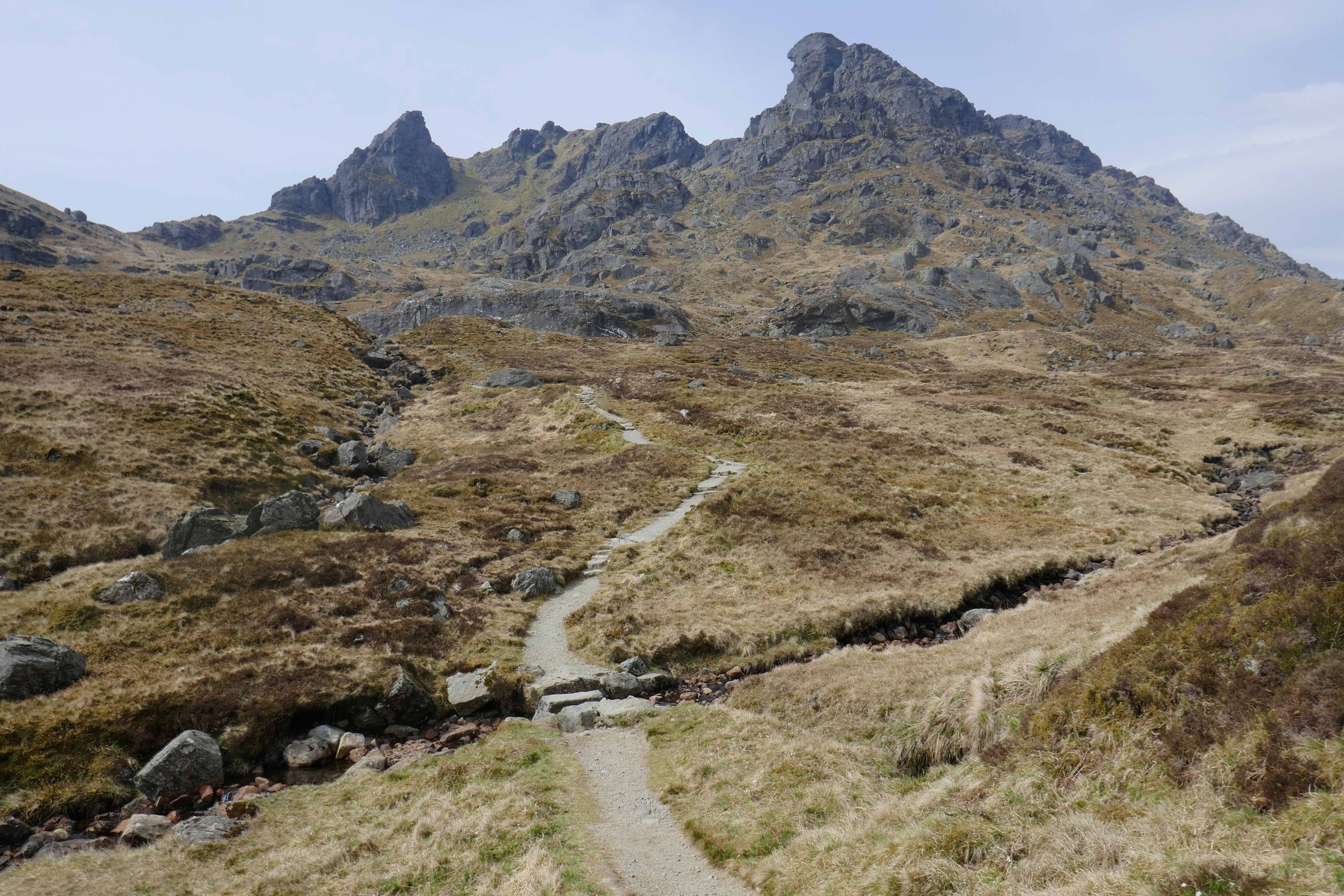
A couple of days later we set off up The Cobbler or Ben Arthur. At only 884 m high this doesn’t make it to Munro status either but you start walking at sea level so gain more height than you do for many a Munro. The Cobbler is a distinctive hill that is full of character and justifiably popular. It was busy on the sunny day we walked up it but we didn’t see anyone climb the final pinnacle to the true summit. Instead we watched plenty of people having fun clambering through the gap in the rock to pose for a dramatic photograph. After scrambling up the front we descended around the back to the path that goes to Beinn Ime meeting a young woman heading for Beinn Ime. She was concerned about her mum who was somewhere behind and planned to descend alone. Her mum passed us as we stopped for a rest later and smiled when we revealed how her daughter had shared her concern with strangers.

Ben Vorlich above Loch Lomond was our final mountain of the week. For some reason this 943 m peak isn’t a popular hill and we had it to ourselves. It is another steep ascent and despite it being a fine day the summit caught the wind and we huddled below the ridge wrapped in all our layers to eat our picnic lunch. That said the views over Loch Lomond and Loch Sloy were worth the slog up. We went up and down Ben Vorlich from Ardlui on the banks of Loch Lomond.

In between the hills we enjoyed ‘rest days’ with some peaceful walking in and around Glen Fruin, a lovely glen above Helensburgh. There are military buildings here, some dating back to World War Two and a memorial to the 17 th century Battle of Glen Fruin. We walked some of the Three Lochs Way along the ‘Yankee Road’ built by Americans and another legacy of the Second World War. The views to Gare Loch far below and the Faslane Naval Base from this high road are stunning.

A Communal Hiking Lost & Found Box

‘I think winter wear is communal. You get some gloves and a scarf from a lost-and-found box, wash them, wear them for a while until you lose them. Then somebody else does the same thing.’ Adrian Grenier, actor

I share Adrian Grenier’s ideas about winter wear and I am pretty much working towards never buying hats, gloves or scarves again.  Certainly a frugal win!  It seems you can’t walk far in the British countryside these days before you find a piece of walking gear that someone has dropped and lost.  We found we were picking up so many pieces of gear that we started to wonder if it would be possible to kit yourself out entirely from found items, particularly if you didn’t mind wearing un-matched gloves.

On a recent trip to the Lake District we returned home with the following list of found items.  A micro-towel, one hardly used dhb cycling glove, one Sealskinz padded glove and a Montane beanie, at least £50 worth of gear!  I was already wearing a hat and a fleecy scarf that were both finds from different days out walking over the years.  At home we have a collection of hats and scarves we have picked up.  We had tended to throw odd gloves away but these have now been added to the lost and found box until they can be matched with another one of a similar style.  This collection doesn’t really fit in with my de-cluttering aim but I do hate to waste good quality gear.

Please understand that we don’t pick up items of clothing if we think they have been dropped that day and the owner might return in the opposite direction and be reunited with his or her lost piece of clothing later.  But if something has clearly been there for more than a day then it is really just litter and we always pick up litter!  The wellingtons in the photograph above were one of the few things I dithered over.  They were my size but we left them where we found them as we were sure someone would return to collect a pair of wellingtons.  Yet we were back in the same car park a few days later and the wellingtons still stood in the same place, waiting to be claimed.

I am not fussy about what I wear, but there are some things we find that neither of us is willing to add to our wardrobe.  We give these items to a charity shop or to our local homeless shelter.  In winter homeless shelters are often looking for warm clothing.

When we find something new I think about things that we have lost.  I like to think that items of clothing we have mislaid have been picked up by someone else and they are out there somewhere enjoying wearing them.  On a memorable day out walking to celebrate my partner’s 50th birthday, it was such a windy day we lost firstly a hat that blew off Mr BOTRA’s head on the summit of Pike of Blisco [more alarmingly taking one of his hearing aids with it].  Later while struggling to put my waterproof overtrousers on the wind smartly whipped them away and they disappeared down the steep hillside.  We gave chase but the wind was so strong they were quickly gone.  This was a hugely expensive day on the hills for us but I like to think that someone thought it was their lucky day finding a pair of Karrimor waterproof trousers!


A Nostril of Sunshine in the Lake District

P1160437
On Nanny Lane

‘Did I see a nostril of sunshine out there?’ the shop assistant asked as he deftly wrapped three packs of Grasmere Gingerbread up for me.  This was our second visit to this tiny and charming shop alongside Grasmere church is just a few days.  A cross between a biscuit and a cake, Grasmere Gingerbread is one of the best things produced in the UK but it does taste better fresh and is only available from Grasmere [or by mail order] hence the multiple visits.  I had never come across the expression ‘a nostril of sunshine’ before and smiled at the use of it.  Imaging it meant a gap in the clouds I nodded and agreed that yes there was a bit of blue sky out there just at the moment.  Perhaps this is a local saying, although when I tried searching for it on the internet I was only offered information about blocked noses!

The heavenly nose had been clear and wide open for us during our week in the Lake District.  We had enjoyed fine days that were just perfect for walking.  After the family outing from Haweswater we took the youngsters up to Orton Scar for a breezy walk among the limestone pavement and to see the view from the Queen Victoria Jubilee Monument.  We had lunch at Kennedy’s in Orton looking through the windows into their chocolate factory then waved as the son and daughter-in-law returned home.

On our first visit to Grasmere we walked up the steep grassy slopes of Heron Pike from Greenhead Gill, returning by the pretty Alcock Tarn, Grasmere lying below us.  Our final visit to Grasmere was on foot from Ambleside, always a favourite walk that takes you around Loughrigg and Rydal Water and back along the old coffin route.

In between these Grasmere visits we hiked up Wansfell Pike from Troutbeck and followed the undulating walled ridge to Baystones.  We chose the route up Nanny Lane, an old track that I thought was a more enjoyable and interesting ascent than from Ambleside.  Nanny Lane is well maintained and we put a small donation into the honesty tin at the gate in Troutbeck for its upkeep; heavy rain can do severe damage to these steep hill tracks and I like to see this lovely lane cared for.  The views from Wansfell Pike and Baystones are hard to beat.  We could make out the remote Kirkstone Pass Inn tucked in between the mountains, the blue length of Windermere shimmered in the sunshine and bustling Ambleside lay in the green valley below.  I can’t help but love the Lake District!


On my own on a family walk: Kidsty Pike, High Street & Mardale Ill Bell

P1160405
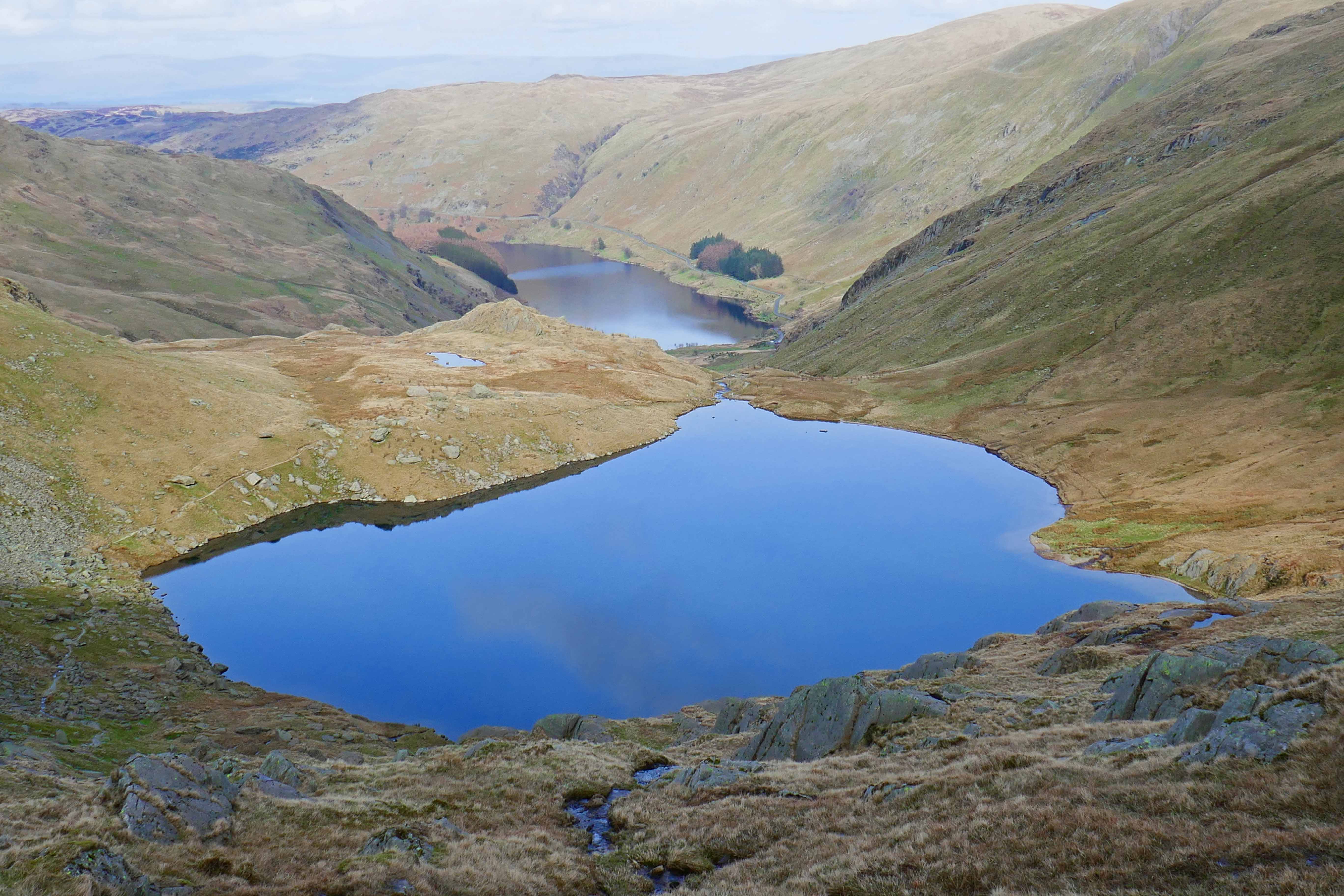
Small Water below Nan Bield Pass

We had planned this weekend in a Lake District cottage with our son and daughter-in-law some time ago.  In my head we would spend time together and enjoy a couple of days good walking that I hoped would become part of our treasured family memories.  So why did I find myself walking on a Lake District mountain all on my own?  The day had started off so well; the weather forecast was perfect, we had shared a leisurely breakfast in the comfy cottage we were staying in and we had managed to find a parking space at the end of Haweswater Reservoir.  Boots on, all four of us had strode out around Haweswater Reservoir to the top of Kidsty Pike.  We sat on the summit eating our lunch while we watched the deer in Riggindale, the u-shaped valley below us.  The eagled-eyed in our group also made out a fox sidling across the hillside around the group of deer.  The day was set up to be a flawless and delightful.

There were three Wainwright baggers on this walk, these are people who are trying to walk up all of the 214 Lake District hills described by Alfred Wainwright in his pictorial guides and I was not one of them.  Our son and daughter-in-law were the first to leave Kidsty Pike to ascend High Raise, just off the main route and already bagged by Mr BOTRA some years ago.  We agreed we would all meet again on High Street, the broad-backed hill that was on our planned route.  What could go wrong?  As they headed up the hill we realised we had forgotten to remind the youngsters that we would be detouring by The Knott, a small nobble of a hill that Wainwright had decided to include in his list and needed ticking off!

We also forgot how fast the two younger family members are when they don’t have to wait for us.  We firstly dawdled over setting off and then stopped to chat to another walker about the local wildlife for quite a few minutes, getting engrossed when she told us she had recently seen otters on the River Greta.  Tearing ourselves away from a chat, we left the main path for The Knott but becoming concerned about missing the others, I turned back hoping to meet up with them as I headed towards High Street.  I was now on my own, Mr BOTRA was somewhere behind me rushing up and down a small hill.  In front of me I saw that our son and daughter-in-law were already heading up the slopes of High Street.  Some family walk this was turning out to be!

Rejoined by my partner we pounded up High Street as fast as my short legs can take me, waving every now and then in the hope that the two of them would look back.  At no point was our pace any match for two people 30 years younger.  They were apparently surprised not to meet us on the summit of High Street and decided that we must be in front of them!  They rushed on without even stopping to look at the view and never once looked back.  We followed behind, occasionally catching glimpses of them as they strode over Mardale Ill Bell.  They chose to use their descent from Nan Bield Pass as good practice in fell running for the National Three Peaks Challenge they hope to complete this summer.  We gave up any hope of catching them and sat down to rest and enjoy home made fruit cake and the spectacular views before tackling the tricky rocky descent.

In the end we were an hour behind the two of them.  On the positive side, we all did get the opportunity to tackle the mountain at our own level and the weather forecast was right, it was a glorious day.  It wasn’t quite the family together time I had planned but it will be a day we remember!


Any flying is good flying in Eastbourne?

Eastbourne

‘Any flying is good flying,’ the paraglider pilot told me when we both stopped to talk about his sport.  He had landed below Beachy Head and was wrestling with ballooning fabric to fold away his kit, a task that looked trickier than packing away a tent or an awning.  Jumping off Beachy Head, even with a paraglider strapped to your back looked terrifying to me as I peered cautiously over the 550-foot high chalk cliffs.

It was the hottest February day on record and really a perfect day for my first visit to Beachy Head.  We had walked up the cliffs from Eastbourne, a town that turned out to be much nicer than I had been led to believe.  On the seafront we had chosen All Decked Out cafe, after walking by a couple of seafront cafes that only provided disposable cups; nothing spoils a mug of coffee as much as that plastic taste!  The friendly owner at All Decked Out not only had china cups but good coffee and delicious cakes and we sat enjoying these with a sea view over the shingle beach from their outdoor terrace.  It was an idyllic start to a splendid day and hard to believe it was February.

We walked along the tidy sea front to Holywell, passing the Martello Tower on the way.  Called The Wish Tower  we learnt that this is number 73 of 74 Martello Towers on the south coast built in the early 1800s to defend the country against Napoleon.  We also read information boards about the devastation of the bombing of Eastbourne during the Second World War.  From Holywell we were soon in the countryside and the South Downs National Park.  Climbing and contouring around the cliffs through yellow flowering gorse bushes and holm oak trees on paths through the cropped grass we met the happy paraglider.   Every time we stopped to rest I could enjoy the stunning views back to Eastbourne with its shining white pier in the brilliant blue sea.

We found the sobering memorial to Bomber Command that reminded us how dangerous it was to be part of the crew in a plane during the Second World War.  The memorial, unveiled in 2012, is dedicated to the 55,573 airmen who lost their lives.

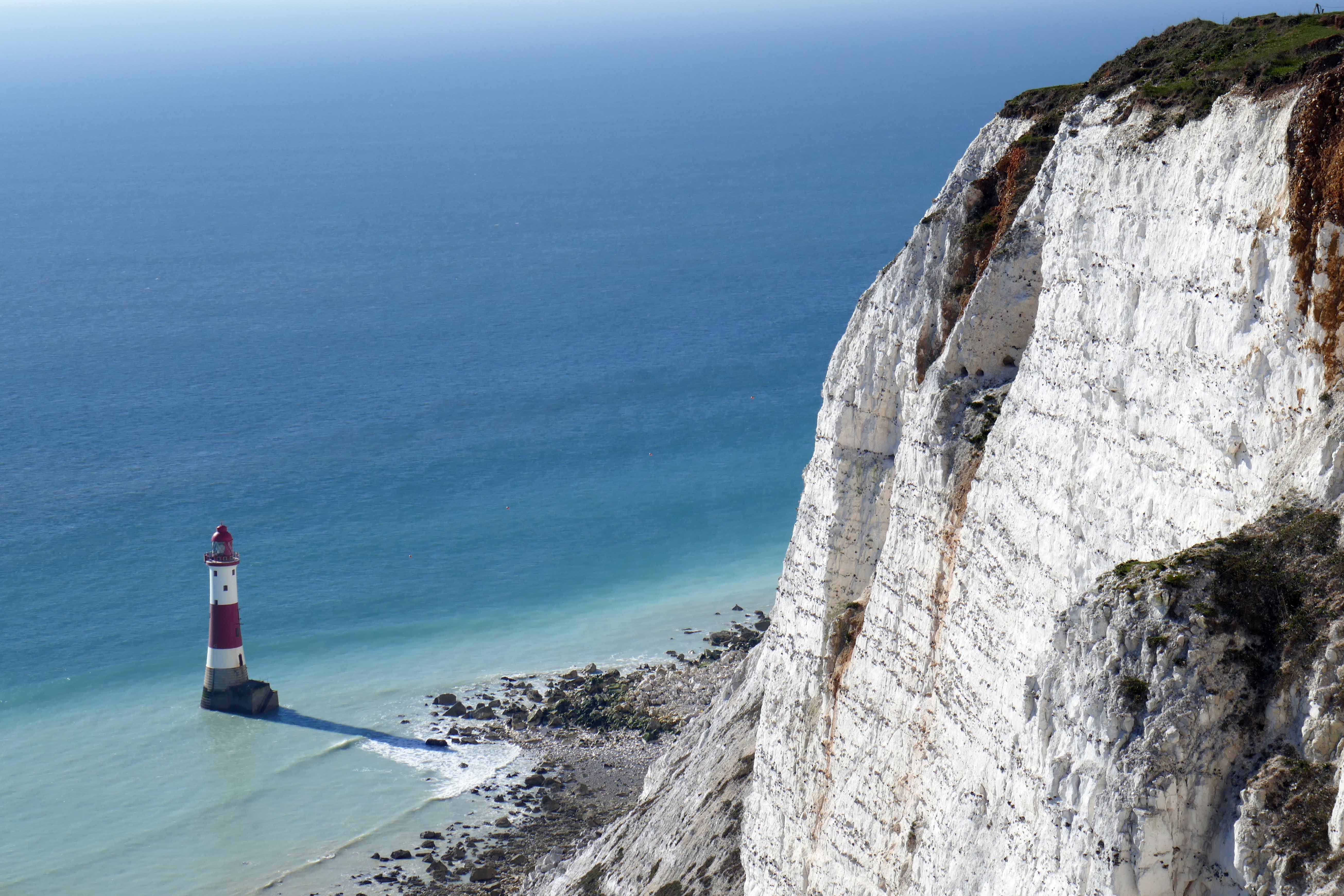
At Beachy Head we could see west to Seven Sisters and the red and white striped lighthouse was far below us.  The ideal spot to take your photograph on the edge of the cliffs was eroded, this is such a popular spot.  We were not only lucky with the weather, we also had a close encounter with a peregrine while we had our picnic lunch.

Heading inland on the footpath towards East Dean, with views to Birling Gap.  We turned right too soon, having misread the map, and so lengthened our walk by a mile or so as we had to retrace our steps.  No one else had chosen this route and we were accompanied only by sheep in the green fields; this wasn’t the crowded south of England that I had imagined.

Back in All Decked Out the friendly member of staff remembered us as she served us ice-cream and we chatted about how good the walking is from the heart of Eastbourne.  What a memorable day!


Worth One’s Saltaire: A day out in Yorkshire & a trip down memory lane

Saltaire
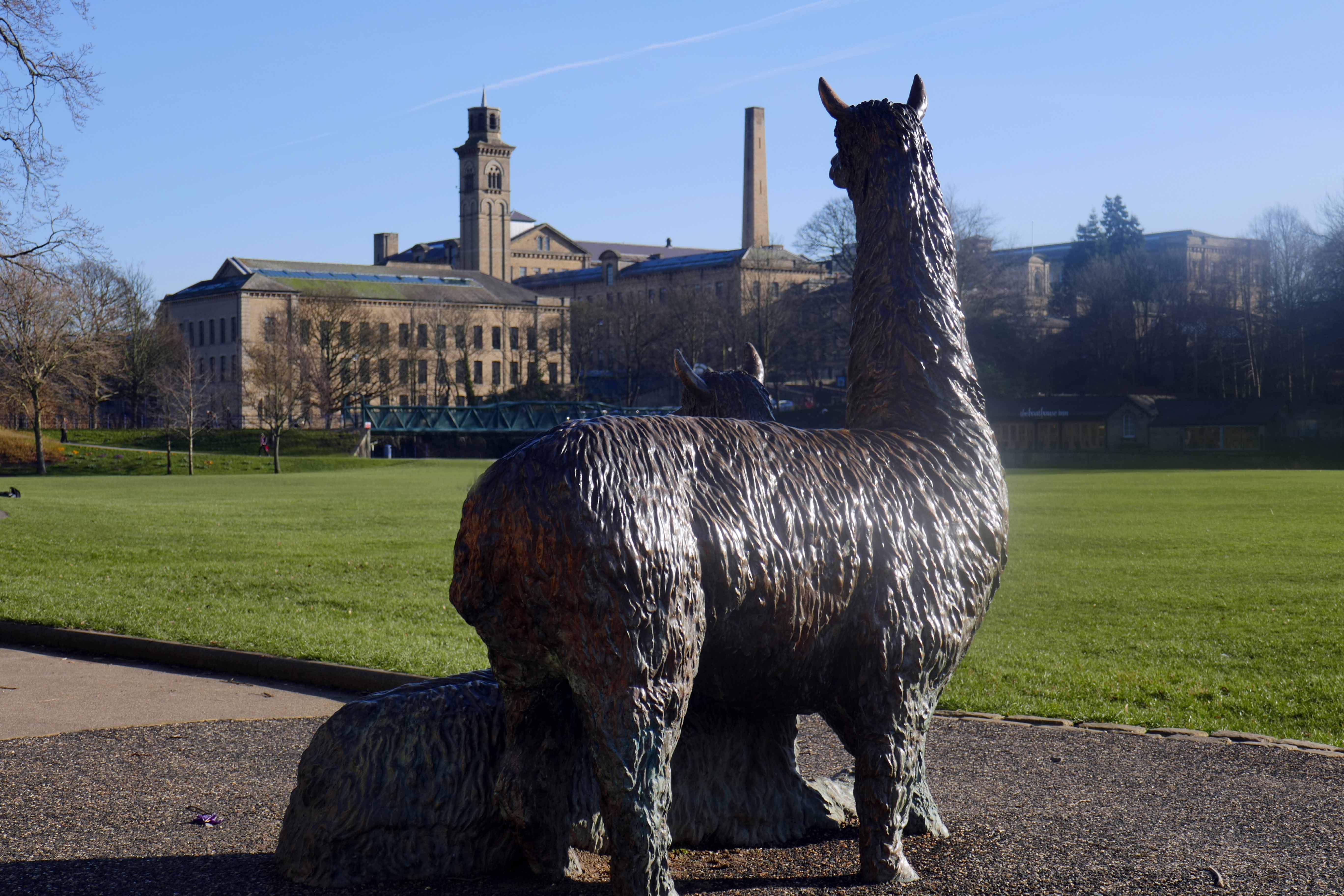
The alpaca statue looks across the park to Saltaire

Walk through the grid of terraced streets in the Yorkshire village of Saltaire and you will pause frequently to admire a decorative window, catch the rhythm of the rows of houses, appreciate a well-tended front garden or just chat to a friendly cat.  Certainly, every now and then you will stop when a glimpse of the impressive Italianate Salt’s Mill appears between the houses, takes you by surprise and makes you gasp.

Saltaire is a fascinating purpose built village and textile mill.  Built on the outskirts of Bradford in the middle of the 19th century and set on the river Aire, the name Saltaire comes from the river and the mill owner, Titus Salt.  The huge mill is a masterpiece and the neat rows of terraced houses were a cut above other worker’s housing, having fresh water and sanitation.  The self-contained village was furnished with a hospital, alms houses, an institute, church and shops.

I first visited Saltaire in the 1990s, not long after the abandoned mill had been bought and renovated by a local entrepreneur, Jonathan Silver.  Jonathan Silver was successful in saving and reinventing this beautiful building, creating a retail, cultural and commercial complex that continues to be run by his family and to thrive.  Today Saltaire is a World Heritage Site and is a popular destination for visitors as well as somewhere people live and work.

In 1995, as a geography student, I was fascinated by Saltaire and keen to use this urban landscape in an assignment but struggled to get a handle on a narrative focus for the essay.  On a February day I took the train to Bradford and decided to walk the six kilometres or so to Saltaire, thinking this would give me a chance to visit Titus Salt’s statue in Lister Park and maybe find inspiration.  As I was photographing the Victorian statue on the edge of the park it began to snow, huge flakes that were soon covering the roads and pavements.  My feet were soaked and I was cold to my bones by the time I reached Shipley but my best ideas come when I am walking.  Chancing upon the view looking down on the mill and the village I had an epiphany.  Even though I had visited before at that moment the scale and the grace of Salt’s Mill blew me away.  Seeing the mill facing the rows of terraced streets and the moorland beyond, its position in the landscape fell into place and I knew what I was going to write.  If you want to read my undergraduate ideas about the two contrasting authors of the landscape of Saltaire, I have shared my essay here  but please remember I was a young 35-year old and this was written early in my writing journey.

Last week we decided to recreate what had become for me a legendary trip in better weather.  After catching the Leeds train from Victoria railway station in Manchester we were soon walking between the grandiose Victorian buildings of Bradford in the sunshine.  Lister Park was full of people enjoying the unseasonable weather.  When we reached the viewpoint where I had experienced my inspiration I stopped and thought about the younger me and how important that moment had been.  Despite quite a build up the view over Saltaire was even more amazing than I remembered.

Much has changed in Saltaire since the 1990s but what hasn’t altered is the quality of the sticky toffee pudding in Salt’s Diner, an interesting and charming cafe inside the mill.  On that cold snowy day I warmed up in the Diner with a bowl of this wonderful sweet pudding in a pool of toffee sauce and for old time’s sake I did the same again last week.  Today diners can admire David Hockney prints while they eat from crockery that depicts a David Hockney sketch.  Just eating at Salt’s Mill is an experience!  After tea and cake we browsed the books in the bookshop, had a look in the gallery and merely admired the expensive home ware.

Keen to get out and enjoy the sun, we explored the rows of terraced streets, walked by the canal and through the tidy Robert’s Park colourful with crocuses.  I stopped to take a photograph of the noble alpaca statue looking back to the mill and the village.  Titus Salt has alpaca wool to thank for his enormous wealth; he used it to weave fine cloth for luxury clothing.  By deciding to create an industrial community in Saltaire, rather than spending his wealth on an estate with a mansion, Titus Salt ensured he is remembered as a Victorian philanthropist.  Although he was foremost a successful and wealthy businessman who may have seen the mill and village as a way of maintaining paternalistic control, he certainly also had a sense of duty that led him to build an infrastructure that would help workers and their families to thrive.

Victoria station
Lovely tiling at Victoria Station in Manchester


How to make the most of a few winter days on the peaceful part of the Lancashire coast

Boats on the marina at Glasson Dock
Boats at Glasson Dock

All we could hear was the honking of geese from the nearby fields, the occasional cry of a curlew and the breath of the wind at Near Moss Farm Touring Caravan Park.  We had hoped for a couple of days of peace and quiet and this site certainly delivered.

Near Moss Farm is on The Fylde, the west Lancashire coastal plain between the Ribble and Lune estuaries.  The Fylde is best known for the seaside resorts of Blackpool, Lytham and Fleetwood but the northern coast is more farming than funfairs and is a different world to the bright lights of the towns.

Near Moss Farm is a Certified Location for Caravan Club members and a touring park; parts of the site are exclusively for adults.  The pitches are all hard-standing and this tidy and well-kept site has a heated sanitary block.  You will get a warm welcome from the friendly owners who also manage a fishing lake and three self-catering cottages.

The Fylde is pancake-flat with big skies and long views; this makes it perfect for cycling, so long as the prevailing westerly wind is behind you.  A relaxing round trip of about 16 miles takes you from Near Moss Farm along sleepy lanes to the charming village of Knott End-on-Sea and back.  In summer a small ferry crosses the Wyre estuary from Knott End-on-Sea to the delights of Fleetwood.

We were here in winter and so it was not ideal cycling weather.  Instead we walked along the nearby coastal dykes looking over the salt marshes criss-crossed with channels,.  The Irish Sea was to one side and farmland on the other and we spotted egrets, handsome shelducks, as well as swans and geese.

We also drove the short distance to Glasson Dock on the Lune estuary, still a working harbour and marina that was built as a port for Lancaster.  Both the marina and Conder Green car parks have height barriers but there is plenty of road parking in and around the village, including on Tithe Barn Hill with views over the estuary.   Once you have explored the lock and swing bridge, admired the boats in the marina and found the Port of Lancaster Smokehouse you might want to stretch your legs.  We followed National Cycle Route Six, a popular and flat off-road route to Lancaster, and enjoyed more bird spotting along the river Lune.

Driving to Morecambe before we headed home we took a breezy walk along the sea front that put colour in my cheeks.  Coffee in the magnificent grade two listed Art Deco Midland Hotel made this a pretty much a perfect walk.  Built in 1933 I first visited the Midland Hotel in the 1990s; in those days this gorgeous hotel was memorable for its faded glamour.  Today it is fully restored and once again a stunning bit of luxury.