2023 Spending Reviewed: The Only Way is Up!

It is that time of the year when once again I share the expenditure of a couple living in the northwest of England and reveal our spending in all its individualism and flaws.

Given current inflation, it isn’t a headline grabber to reveal that during 2023 our spending increased. When we retired in 2017 our budget was £27,000 a year or less and although we budgeted for inflation we mostly spent less than £27,000 until 2023. Last year I watched our spending increase by a whopping 8% on 2022!

Below you can read the details of this spending. This year I have highlighted how our attempts to live a more environmentally-friendly life both costs us and saves us money.

The big change for us in 2023 was an increase in our regular income. Hooray! My small NHS pension [it doesn’t even pay our supermarket bills] and my irregular and diminishing travel writer income and interest on our savings are now joined by my fellow frugalista’s local government pension. Successfully getting this money out of Lancashire County Council is a long and sorry tale of out-sourcing mayhem that I won’t bore you with but it did involve the helpful people of Fort William Library as we got to grips with their ancient flatbed scanner during our Scottish holiday. Our income is now about 70% of our spending and we are starting to feel just a little secure.

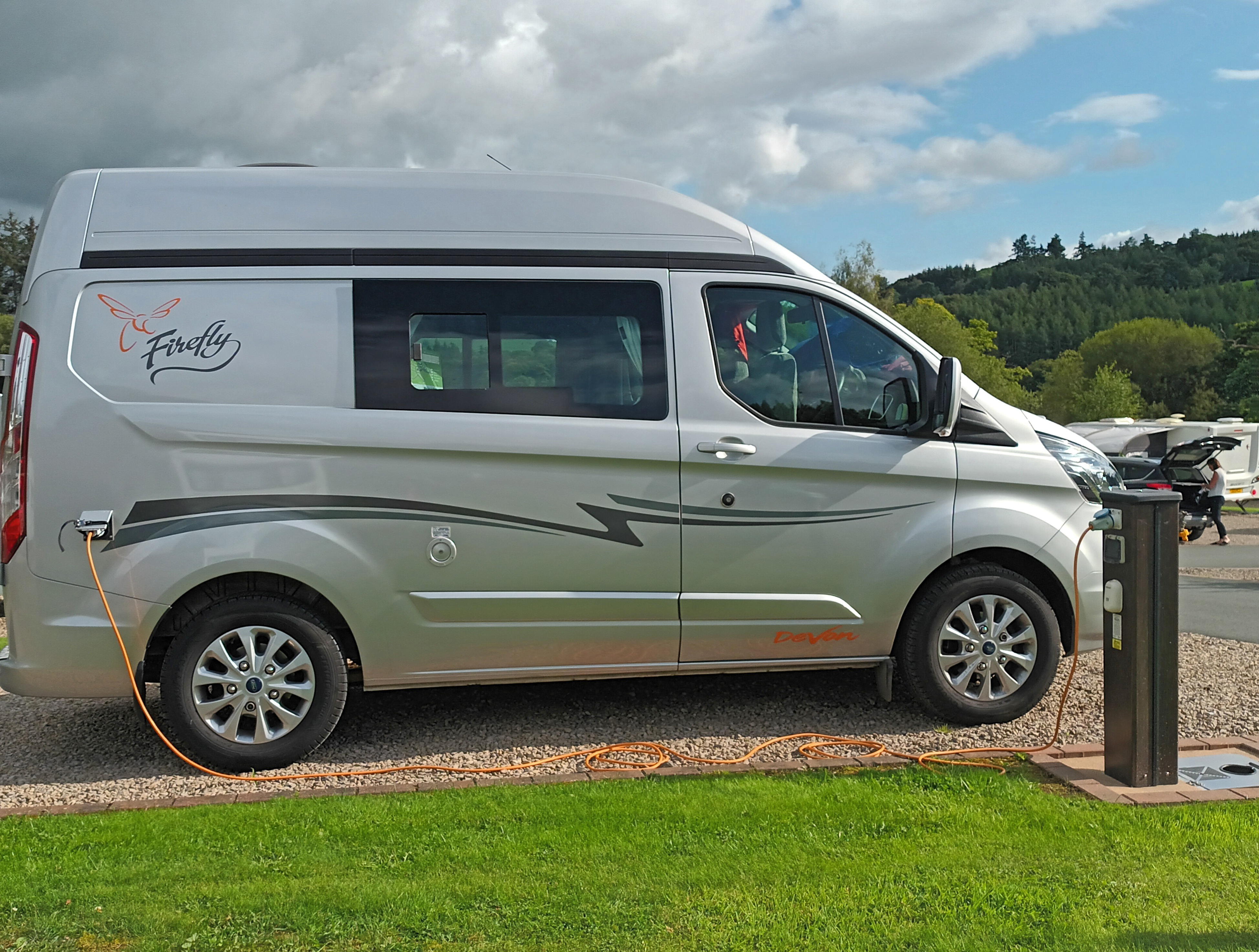
Our other big expense in 2023 was trading in our much loved blue Renault Master campervan for a younger and smaller Ford Transit in a shade of silver that looks almost blue in the right light! We received a good trade-in for our Renault but still reduced our savings by a chunk to make this purchase. The only big home improvement expenditure was flooring in our kitchen that was reassuringly expensive enough to surely outlive both of us! 

Here is how our budget breaks down into my different categories:

Essentials – total £8,418 [30% of total spending] [2022 £8,941 / 33%]

Food – £4,535 [2022 £4,074] – Averaging £377/month, it isn’t surprising we spent more on food and alcohol in 2023 as we have all witnessed the supermarket price rises. We continue to both be vegetarian but in 2023 we leaned closer to being vegan motivated by health issues. As well as being healthier, a vegan diet is generally a cheaper way to eat. I always say I couldn’t give up cheese and I haven’t, but we’re limiting our dairy consumption to some mature Gouda in the Friday night risotto and I find I’m not missing it through the week. Butter on my toast, in contrast, is a tough sacrifice. Our shopping habits are mostly a win for the environment and our pocket.

Utilities, insurance & phones for a 2-bed 57.2 sq mtrs [615.7 sq feet] bungalow – £3,584 [2022 £4.031] – By contrast I am suprised that the cost of our bills has reduced. In 2023 we managed to save money on our water bills by using less and we found cheaper contracts for our mobiles and broadband. Our gas and electric only increased by £26 in 2023 and the biggest increase was our council tax. Saving water is a win for the environment and our pockets

Our health – £299 [2022 £836] – 2023 has been the year of teeth! We still have a NHS dentist and constantly count our good fortune as the tooth is [groan] this budget line would have been considerably more if we were paying private prices!

The money we spend on the essentials above are, in theory, the minimum we need to survive, if nothing goes wrong or wears out and we didn’t own a campervan and never went anywhere!

Stuff (electronics, books, newspapers and other kit) – £5,832 [21% of total spending] [2022 £4,719 / 18%]

Household spending [everything from glue, newspapers and books to bird food, gardening stuff and parts for the bikes] – £4,979 [ 2022 £4,076] I thought 2022 had been the year of stuff and hoped to reduce this budget line in 2023 but it wasn’t to be! Instead we flashed the credit card to purchase two handsome new armchairs from John Lewis that make me happy every time I curl up in one to read a book. We also spent money on the garden, creating a new hedge with wildlife in mind and replacing plants lost in the frosts of December 2022. The PC we use for TV viewing began to fail and we spent £470 updating the components while re-using the existing case. Fortunately my partner is able to carry out all the labour for this sort of work. In the autumn a storm wrecked a garden arch that we replaced and one of our mobile phones was long overdue being replaced. There is always something! With the exception of the wildlife friendly garden plants this is an environmental and spending thumbs down.

Clothes & accessories – £853 [2022 £643] – Until the last few months of the year I was hopeful we were keeping this category in check as all we had purchased were a few replacement t-shirts from charity shops and new cycling helmets. Then suddenly a new padded jacket, a fleece and hiking shoes could wait no longer. We still have a one-in-one-out policy with clothes as the space we have hasn’t increased. Again an environmental and spending thumbs down.

Experiences – £13,619 [47% of total spending] [2022 £11,805 / 46%]

Holidays [still our favourite spending line] – £4,481 [2022 £4,096] – Our spring holiday to France in our campervan was wonderful and it was where we made the decision to downsize our ‘van. This decision was made for many reasons and one was an urge to have other sorts of holidays that didn’t involve a campervan. So, this total also reflects a week in a holiday cottage and a few days in a hotel in Glasgow [travelling by train] as well as those [getting more expensive] campsites.

Restaurants & cafes – £2,687 [2022 £2,311] – In 2023 we made a conscious effort to particularly support our local veggie and vegan restaurants. We are lucky to have The Whale Tale, Pure Vegan and The Herbarium nearby in Lancaster and they all serve fantastic food and we don’t want to see any of them close.

Running the campervan [servicing & insurance etc] – £3,475 [2022 £2,058] – With perfect timing we traded in the Blue Bus beautifully kitted out with four six-month old tyres. We didn’t think our two-year-old Ford Transit with around 18,000 miles on the clock would need new tyres immediately. However, when we gave its tyres an up-close-and-personal check up they looked as if the previous owner had spent all those 18,000 miles off-road! Life is precarious enough without risking being on the road with cracked, pitted and battered tyres and we replaced them. Our much-loved Renault also developed an electrical fault in the spring that required a replacement leisure battery and needed a new bathroom tap. The new-to-us Ford had a minor dent, a small patch of rust on the rear doors and the sliding door needed adjustment. Ford require owners to pay a few quid for an annual bodywork inspection to keep any warranty valid and as the previous off-roading owners hadn’t done this [goodness knows why not!] these cost us £600. A campervan is neither positive for the environment or our pockets!

Diesel for the above ‘van – £1,210 [2022 £1,905 ] – We can’t save the planet single-handed but we can try and one way is to use our campervan [our only vehicle] less. In addition we are getting more miles to the gallon of diesel from the Ford Transit and it is Euro 6 compliant. There is a tiny environmental win here.

Tickets for concerts, football & attractions – £696 [2022 £744] – In 2023 we re-discovered our love of cinema, something that had taken a bit of a knock during Covid-19. The Dukes in Lancaster shows some fantastic films as well as theatre and the highlight of the year for me was Carol Morley’s Typist Artist Pirate King, a moving and funny road trip film. Look out for it on TV if you missed it in 2023.

Public transport costs – £1,070 [2022 £691] – A consequence of using our own vehicle less is using public transport more. We have a Disabled Rail Card to reduce the cost of our train fares and a return to Manchester is around £30 for the two of us, although unreliability is frustrating. While the trains continue to cause us more drama than you want from public transport, the £2 bus fares have transformed our local travel plans and we hop on and off buses with abandon. In 2024 my older partner will get his bus pass and we can’t wait! Using public transport is a tick for the environment but using the train is often more expensive than driving.

Giving – £704 [2% of total spending] [2022 £940 / 6%]

Gifts & donations – £940 [2021 £1,352] – In 2023 we supported Morecambe’s Food Bank, charities campaigning against climate change and Ukraine once again. I wish we didn’t have to support any of these charities but the need continues. Gifts to family and friends, it seems, have become more frugal and none of them have complained!

TOTAL SPENDING FOR 2023 – £28,573

2023 has been our highest spending year iin retirement. Over my seven years of retirement we have spent an average of £24,988 a year. With inflation remaining high we are now budgetting around £30,000 for 2024 and we’ll see how that pans out. 

In 2024 our income increases as Anthony reaches state pension age. It is now only two years until I will be 66 years old too and our income will [hopefully] be sufficient for our lifestyle.

Here’s to 2024 when we hope to continue to live the life we want to lead and have the resilience to survive whatever 2024 brings us.

Let me know in the comments below how your budget matched your spending in 2023 and your hopes for 2024.

Don’t let anyone else ruin your day. It is your day, ruin it yourself!

One of the sculptures at Les Lapidiales near Port-d’Envaux in France

We think we want things to be real, but does anyone really want to read about an anxious travel writer? I’m not sure they do and so recently I haven’t actually lied, as one segment of my head adores our campervan travels, but there is a dark wedge of my brain I have kept to myself.

It was during our last trip to France that I noticed how contradictory I was feeling. While relishing exploring the beautiful country in our campervan I was also secretly doom-mongering. Anything that could go wrong [and probably wouldn’t] spun around and around in my head, driving my anxiety levels through the roof. My brain convinced itself it knew the future and it was bleak!

At first I tried ignoring my anxious feelings thinking that would make them go away. This didn’t work! Changing tack, I gave my anxiety some attention. This helped me see how my fears were familiar from our trip to Germany last year. I had muddled along then but this time my anxiety levels were higher and overwhelming and going home seemed the only answer!

Anxiety can sound trivial but it multiplies, feeding on itself. It starts in my brain but very quickly affects my whole body. Always the writer, my notes from the time describe the physical symptoms of a tight chest, nausea and fast and shallow breathing. And all because my head was busy imagining the worst things that might never happen.

Healing begins with sharing

I struggled to understand why I would be anxious when I was living the dream and travelling with my partner in our campervan. I felt guilty and stupid for having these negative feelings. I did not want to let anxiety about tomorrow spoil our trip and I thought the best thing was to keep my anxiety to myself, keep calm and carry on.

It took a few weeks to admit to my partner in campervanning how I was feeling. He is a caring individual and didn’t tell me I was being ridiculous. Being open about my anxious feelings shone a light on them, revealing the deceit they wallowed in. Saying them out loud helped me see how my anxiety was so clever it could fool me into thinking my imagined threats were real. It helped me to engage the rational side of my brain, calm my adrenaline-fuelled body and see that these worst-case-scenarios were fantasies. To even imagine I could predict the future was an illusion!

His caring approach didn’t make the anxiety go away but it helped. He recognised how difficult it was for me to admit that something in my brain was broken. There were no visible wounds to soothe but he gave me the love and patience I needed. Sympathy and talking were positive but no cure, so together we came up with a few strategies to ease my anxiety and be able to continue our holiday.

Small Steps

Firstly, we slowed down our tour, staying in one place for longer so that I could settle in, feel at ease and work at re-booting my brain. We travelled short distances on the days that we moved too and this relaxed approach to our trip worked well for us both.

As well as driving less, I lived at a slower pace. We had no deadlines and were footloose and it wasn’t necessary to rush to see a particular attraction or place. We adopted a calm approach to our days, taking a leisurely breakfast, lunch and evening meal when we would talk and laugh together. We stayed away from large towns and cities, choosing countryside locations where we were surrounded by nature.

Daily exercise has always been important for my wellbeing and the French countryside is perfect for the active holidays we enjoy. We walked or cycled, taking time to stop to watch wildlife, identify flowers or read about the local history of the village we were in. I focussed on joyful things that made me smile.

Strange as it seems, I also made time to fret, allowing an early evening worry-time slot. I used this to write down all the things I was anxious about and how I was feeling. I practiced some controlled breathing and worked at being more accepting of uncertainty. I was mindful of my anxious and racing thoughts and the accompanying rush of adrenaline and allowed them to have their moment without a fight. I used the My Possible Self app to give some structure to this time.

After a few days I would recognise the doom-laden thoughts as soon as they popped into my head. I would acknowledge these thoughts and sing, ‘Hello darkness my old friend, I’ve come to talk to you again.’ Sometimes this enabled me to see the dishonesty of my fears and stop the out-of-control downward spiral in its tracks. Whether cycling, cooking or pottering around the campsite, The Sound of Silence became my holiday tune!

I worked at being nice to myself and tried to accept that everyone has something that is hard to do. I occasionally felt positive that I would once again be an anxious-free traveller.

Letting in the light

This anxiety has crept up on me since the Covid-19 lockdowns. Covid-19 proved to all us naysayers that bad things can be just around the corner. The pandemic led to many changes and for me having to stay at home and worry about catching a potentially deadly bug was enough to trigger anxiety.

Although I am pleased that we are much more open about mental health issues in the UK than we used to, I am not convinced anyone wants to open their motorhome or campervan magazine and read travel articles peppered with mental health worries. So my articles dwell on the light, rather than the daily grind. Sharing in this blog post is a big step, so please be kind.

I don’t want to be the person that is ruining my own day, I know how few I have left! I do want to reduce my anxiety levels and become ME again and I am hopeful I can do that … so watch this space.

A quick note on resources: As well as the My Possible Self app I have worked through Joshua Feltcher’s book Anxiety: Practical About Panic and I signed up for his Anxiety Josh newsletters, the NHS Every Mind Matters emails and The Friendly Mind.

Walks from Red Kite Touring Park in Llanidloes

Red Kite Touring Park in Llanidloes in mid-Wales is an adult-only high quality campsite. Staying there had been on our wishlist for a while and this year we got the chance to enjoy the excellent facilities it offers for three nights.

If you don’t know the campsite, it sits above the small town of Llanidloes and has hard-standing pitches with views down the valley. The facilities are modern and excellent and the welcome is friendly.

We like to leave our campervan on our pitch and walk and a quick look at the map suggested there would be no shortage of options and this was true. The campsite is well-run and reception keep a folder of walks from short strolls to long hikes. There are multiple copies of each walk so you can take away the instructions, pack a picnic and set off into the Welsh countryside.

Llyn Clywedog & Old Lead Mines (approx 13 km / 8 miles)

Red Kite Touring Park sits on the hillside above the Afon Clywedog that flows into the River Severn. From the campsite dog walk we picked up a lane that follows the Afon Clywedog away from Llanidloes. The lane climbed steadily through woodland to a farmhouse where we turned right and joined the Glyndŵr’s Way. This is a 217 Km long-distance path that meanders from Knighton to Welshpool. It is named after Owain Glyndŵr who was a Welsh prince and leader who led a rebellion against Henry IV in 1400.

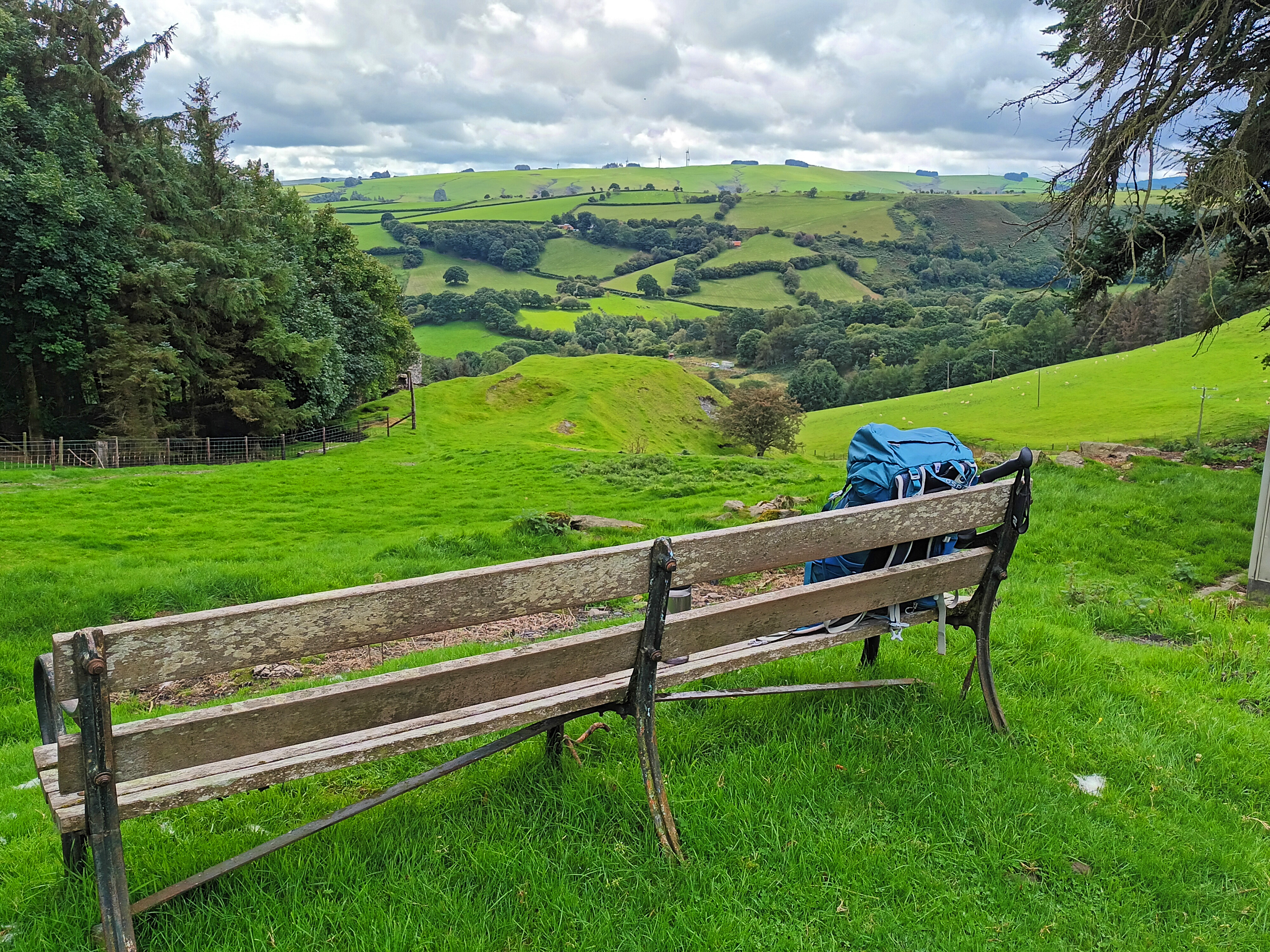
The section of this path by Bryntail, passing a former outdoor centre, had open views across the valley and was so enjoyable we stopped for lunch on the bench in the photograph above.

Dropping down the hillside we could see the massive dam holding back the waters of Llyn Clywedog. We explored the buildings of the old lead mine and appreciated the information boards that explained the grimy processes that were carried out in this industrial site.

We chose to take a path around the head of a small valley to Cwm Deildre. The first section of this path traversed the steep-sided valley and was tough going as we fought our way through flourishing bracken. This was so arduous we were relieved to reach the head of valley and an easier-going track. At Cwm Deildre we joined lanes that took us to paths back to the wooded banks of the Afon Clywedog which we crossed the bridge back to the campsite.

This walk had plenty of interest and big views and I would recommend it.

Llanidloes, the Severn Way & Glynbrochan (approx 16 km / 10 miles)

From Red Kite Touring Park you can either walk into Llanidloes the pretty way, crossing Afon Clywedog and skirting the valley side through woodland. This is about 2.5 km (1.5 miles) or you can walk along the pavement by the road which is slightly shorter. We followed the campsite instructions for the pretty route and after looking around some of Llanidloes elegant and interesting buildings we sought out a coffee shop. The Wild Oak Cafe was an excellent choice for the range of food, good coffee and comfortable atmosphere.

We left Llanidloes on the minor road that follows the River Severn, turning left to cross the river on the quiet lane towards Glynbrochan. Leaving the tarmac we picked up paths on the hillside to our right and became just a little lost until we realised which side of a hedge we should be on! Eventually we scrambled down a steep path through trees to reach the dam of a small reservoir where we had our picnic lunch.

The path from the reservoir to the farm was boggy and we were glad to reach the tracks without our feet getting soaked. A farm track took us downhill back towards the River Severn where we joined a lane that led back to the bridge where we had crossed the river earlier and we were soon back in Llanidloes and climbing the hill back to the campsite on the road route.

Apart from Llanidloes, which is worth a visit, this walk only had the reservoir as a focus for our interest but we stretched our legs and felt we had deserved tea and cake later!

From Gallic Tempest to Flashy Firefly: Our Third Devon Conversions Campervan

We started the conversation during our campervan trip around France. Was it time to change our campervan? We adored our Devon Conversions Tempest on a chic blue Renault, it had everything we needed. After eight-and-a-half years, over 900 nights and around 80,000 miles it had been the workhorse campervan you expect from a Renault Master. Sitting in the French sun with a bottle of wine we mulled over options. Not owning a campervan at all was one we needed to consider but my tears at even the thought answered that question! We are a good team and generally get the best solutions when we put our two heads together and eventually we realised that what we wanted was a smaller ‘van.

When we bought our Devon Tempest we were keen to try the luxury of a travelling with a bathroom and didn’t want the faff of turning the front seats around. We had enjoyed what we think of as our enormous 5.4 metre long Blue Bus but both now felt ready to return to a simpler way of camping. We also felt uncomfortable owning a diesel ‘van with a Euro Five engine, we wanted something less polluting.

The research began with electric ‘vans but it soon became apparent that although there are a few out there they are still a rare beast and would cost almost as much as our Lancashire bungalow! A second-hand but newer campervan with a Euro Six engine was a cleaner option that wouldn’t leave us destitute. Visiting campervan dealers it quickly became clear that what we wanted was difficult to find. Campervans have become so popular they fly off the forecourt and those on offer were unsuitable in so many ways.

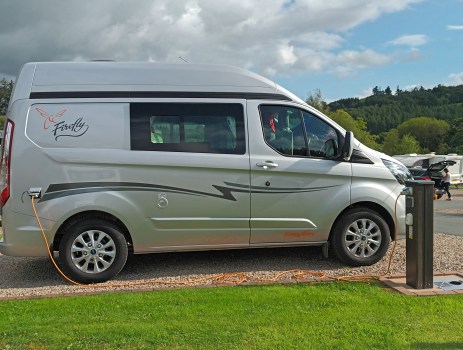
Then we had a piece of luck. A chance conversation alerted us to a short wheel base Devon Firefly on a Ford Custom Transit coming up for sale. We like the Devon Conversions campervans and had owned two previously so we were beyond excited while we waited. The Firefly is a similar layout to our previous Devon Conversions campervan, the Sundowner, although that was on a VW. It was a layout we prefered as it includes a toilet tucked away at the back, so we could downsize without losing all the facilities we had been used to.

Seeing the Firefly, the only thing wrong with it was its colour! Our first three campervans have all been blue and we were looking at a silver campervan. I quietly started to wonder how much a re-spray would cost! Eventually I came to accept that silver is on the blue scale and we were buying a ‘van that identifies as blue!

Buying second-hand is so different from buying new. As well as not being able to pick the colour we couldn’t pick and choose from the menu of expensive extras and the ‘van came with someone else’s choices. We had the electric water heater they had fitted taken out, as it took up space and, with no shower, was no more use than a kettle. We also had a diesel heater fitted. I am mystified to know why someone wouldn’t put a heater in their campervan as in the UK this really only leaves about three months of the year when you can comfortably go camping. This was also our first experience of owning a conversion with a compression fridge rather than a three-way fridge.

Emptying our Tempest took a week as we considered each item, trying to decide what was essential and what wasn’t ready for down-sizing. The essentials still seemed a very large pile to fit into a small five-metre-long campervan. At the dealers I said a tearful goodbye to our Blue Bus and wished it a happy second life. Back home we thankfully found a place for all our stuff in the Firefly and set off on our first camping trip to Small Batch campsite near Church Stretton in Shropshire.

Our shakedown trip only had a few mishaps. After so many years with our Tempest and knowing all its quirks and corners, we felt like beginner campers again with this new machine. Most embarrasingly and publicly, we were that ‘van that set off the alarm at bed time, disturbing the whole campsite! We had never had an alarm before and some learning was required. The compression fridge had more space than our previous fridge and I had packed it with food, including garlic bread for our evening meal, forgetting we no longer had an oven! Fortunately, we were away with friends with a larger ‘van and an oven so we didn’t have to try cooking garlic bread in the RidgeMonkey. We learnt to switch the compression fridge off during the night as it is very noisy! And we got back into the habit of turning those front seats. After six nights away we were settling down and getting used to living in a campervan that was just underfive metres long. We also had a long list of modifications we wanted to make.

A kind friend, watching us struggling to figure out locking the Firefly so that the alarm wouldn’t go off, suggested that changing ‘vans was good for our brain health as we were having to re-learn so many things. I hung on to her positivity as we muddled through all the new-ness of the Firefly.

It seems that our Tempest has sold to new owners so we hope we meet it on the road one day and that whoever purchased it has lots of fun travels and enjoys all that space.

The Aerative Clothes and Boot Drier

Updated April 2024

We don’t buy gadgets! But this one has been so useful in our campervan I had to share it with you. Wet clothes and shoes draped around our small campervan make me stressed. They get in the way and make the ‘van feel damp. Some ‘vans have luxurious bathrooms with heating and you can hang up clothes there, shut the door and forget about it but this isn’t an option for us. Now, providing we have a hook up, the Aerative shoe and clothes drier takes the strain out of rainy days and laundry.

At £69 this has to be good, so what do get for your money? The Aerative comes in a draw string bag and takes up about the space of a small pair of shoes. Folded up it sits in your shoes but the drier also has a hook that unfastens so you can easily hang it up. It then opens out into a coat hanger shape, with air ducts along the arms. You simply plug it in and press go. It also comes with pegs for items that don’t hang up so easily, such as socks. Another advantage is that it only uses around one amp so won’t blow the campsite electric system or cost you a fortune if you’re on a meter.

To dry a shirt we hang the Aerative from a hook or from a cupboard door handle near to a plug, open the Aerative out fully, hang the shirt on the Aerative and switch on. It does dry fast but this will depend on the fabric of your shirt. We find that often the very bottom of a shirt remains damp and we will turn it upside down and peg it around the hanger to finish it off.

Drying boots and shoes is easy and there is no need to extend the arms into a hanger. In the folded position shown in the photograph above you can place each ‘arm’ in a shoe and switch it on. It takes a long time to completely dry a pair of soaked through boots but this and air drying overnight should mean you have dry boots the next day which is luxury.

The only downside to this useful piece of kit is the noise. It hums like a low-powered hair dryer so is fine while we are sitting reading or cooking but you wouldn’t want it on all the time. If you have a bathroom and can pop it in there and shut the door this will be less of an issue.

Twelve months on, I wouldn’t be without this piece of kit. It still fits in our downsized campervan and feels essential for drying wet gear and washing. If more campsites had a drying room [or it never rained] we probably wouldn’t need an aerative but in the real world …

I haven’t been paid to write this review or received a free piece of kit I merely wanted to share with readers something we have found that has made our camping experiences better.

Crossing the Forest of Bowland in a Mini Adventure

Occasionally we have a holiday without our campervan [honest] [And we always miss the Blue Bus when we leave it behind]. Our latest short break hardly took us out of Lancashire. Here is the story of our mini adventure over a couple of days when we hiked across the Forest of Bowland.

The walk of around 40 kilometres is best done over two days with an overnight in Slaidburn. You have some options on the route and you may vary it depending on the weather, time of year and how much time you have available. The hike features in the Cicerone Walking in Lancashire book as a 45 kilometres (28 miles) walk and if you want a detailed description this would be worth purchasing.

We put the walk on our wish list recently and for the last six weeks I had been keeping a close eye on the weather forecast but July just got wetter and wetter. This wasn’t the weather I wanted for hiking across empty moorland and I had to wait until early August for a break in the rain and a window of sunshine. Excited, I rang the Hark to Bounty Inn in Slaidburn to book our overnight accommodation and we packed the rucksacks with essentials.

We caught the early bus from Lancaster towards Kirkby Lonsdale, getting off in the village of Wray. From here, if you have time you can take the paths up the wooded Roeburn valley but we headed straight up the lane to High Salter, reducing the walk by two kilometres. This lane was quiet and enjoyable with panoramic views over the Lune valley and to Ingleborough, Pen-y-Ghent and Whernside, the Yorkshire Three Peaks. We passed some rustic wooden sculptures and a well-kept memorial bench surrounded by flower beds.

At High Salter we left the last of the farms and reached the gravel track of Salter Fell Road that crosses the moorland to Slaidburn. At first the track climbs steadily up to the watershed, the River Roeburn tumbling below us. From the summit the streams no longer flowed into the River Lune but were heading towards the River Ribble. In this treeless high land the views across the moorland were wide open with the stony track snaking across the landscape. There isn’t much obvious wildlife on these grouse shooting moors but a lizard scuttled away from our feet and a couple of kestrels hovered over the slopes. A herd of belted galloway cows ambled towards us on both verges of the track, forming a moving guard of honour. These calm cows are nevertheless bulky and we walked between them quickly but cautiously.

We stopped on a rocky outcrop near the watershed for lunch taking in the view across purple flowering heather. The track is used by off-road bikers and cyclists and a group of scramblers dented the peace and our solitude as they bounced by.

Walking with a heavier than usual rucksack was tiring and we stopped again in the mid-afternoon for cake and I lay back on the heather gazing up at the wispy clouds in the blue sky, waking up a short while later! Up to now route finding had been easy but this changed as we left the Salters Fell Road for Croasdale House on a soggy and overgrown path. Negotiating nettles, farms, stiles, cattle and dogs we eventually reached a lane into Slaidburn. Staying on the track and lanes into Slaidburn would have been easier going and a similar distance although it was harvest time and the narrow country lanes were busy with farm vehicles.

We reached the Hark to Bounty just after they opened at 17.30 and were grateful for a room to rest in with a hot shower and a kettle for tea. The Hark to Bounty is an old inn that is full of character and has a heart of the community feel. The bedrooms are comfortable and individual but not ultra-modern. That evening we ate hearty food in the bar and slept the deep sleep of backpackers. [The Hark to Bounty closed in October 2024, although new tenants are being sought.]

Slaidburn is an unusual village. At first glance it looks timeless and this is in part because it is owned by one family. Sitting in agricultural Lancashire Slaidburn has no modern buildings and is not wall-to-wall holiday lets. The 17th century cottages and farms are rented, the school remains viable and there is still a village shop and pub. Slaidburn also has a handmade chocolate shop, a cafe and a youth hostel available for sole use.

There had been some rain showers overnight but the next morning was fine and after breakfast we once again heaved our rucksacks onto our backs and set off along the River Hodder to Stocks Reservoir and Gisburn Forest. Built in the 1930s, Stocks Reservoir get its name from Stocks-in-Bowland, the village that was flooded.

Gisburn Forest is vast, apparently almost 3,000 acres vast, so it was no surprise that it took us most of the morning to cross it. As is often the way when we can’t see the route for the trees, we got lost more than once and without GPS we would probably still be wandering around the forest! All Gisburn’s acres have plenty of variety and from the shores of Stocks Reservoir we walked through magical vivid-green treescapes, alongside sunny verges where peacock butterflies were thriving and, of course, through dark pine forests. Eventually we emerged with some relief at the highest point, Whelp Stone Crag, and stopped for lunch looking across the farmland towards Yorkshire and our walks end.

The relief was short lived as we still had some kilometres to walk and a bus to catch. We tried to choose the best route from the many lanes and footpaths on the map but twice ended up on an overgrown walled lane that no one had tramped along for some time. Both of these were thick with nettles and brambles and, wearing shorts we emerged with legs covered in scratches and stings. I always react badly to nettle stings and my tingling legs were soon attractively covered in swollen red lumps that only antihistamines can deal with. Anthony doesn’t suffer in the same way but did collect a tick.

After more encounters with young bullocks that herded and trotted curiously behind us, way too close for comfort. We tried to stay calm and walk rather than giving way to the urge to run! A hare bounding over a wall delighted us and we climbed gates that were tied shut with string despite being on a right of way and heaved ourselves and our rucksacks over so many stiles we lost count until we reached the A65 and the bus stop by The Craven Arms in Giggleswick. There is a railway station here but we caught the cheaper bus home, changing in Ingleton.

There is something satisfying about completing a linear walk while carrying your kit and we enjoyed our short trip. The warm weather meant we weren’t laden with lots of extra clothing but we did carry plenty of water as well as spare food [apart from Slaidburn there were no shops or cafes on our route] and our emergency first aid kit.

Some Fabulous Affordable French Campsites

In May and June this year [2023] we travelled through France for around just over six weeks. We moved around the west [Atlantic] coast in a fairly adhoc way, deciding where to go next as we went along and booking nothing. To help anyone planning their own trip to France I have listed where we stayed by departments below, rather than in the order we visited them.

Every campsite we stayed on was offering a discount with an ACSI card. In France this discount is generally available out of season until the beginning of July and again from the end of August or the beginning of September. The amount we saved varied from just a couple of Euros a night to more and we recovered the cost of the card in around a week. Over a six week trip the ACSI card more than paid for itself.

With a couple of exceptions, the sites all had unisex facilities, most provided toilet paper but not all of them and some provided soap at the sinks in the sanitary blocks. Many of the sites had swimming pools too. We also always paid a tourist tax of around €1/night each. We were often only travelling short distances between campsites and sometimes we arrived before the 12.00 lunch break and this was never a problem.

Loire-Atlantique & Maine-et-Loire

These are the regions around Nantes and Angers. Maine-et-Loire is inland from Nantes around the River Loire and the Loire-Atlantique is the coastal area north and south of the Loire estuary.

Camping Paradis La Promenade, Montjean-sur-Loire This large site on the banks of the Loire has good-sized marked pitches, some open views and indoor and outdoor pools. The facilities are fine, although the showers were warm rather than hot. There was no bread available early in the season but there is a fantastic bakery 700m away in the village that baked their own rich brioche. The village also has a corner shop. We cycled on pleasant off-road paths and quiet lanes by the Loire. ACSI price €17.00/night.

Camping  La Guichardière (Flower Campings), La Plaine-sur-Mer – Just a five minute walk from the sea, this slightly sloping site has good-sized hedged pitches with some shade. The pitches are separate from but surrounded by bungalows. The facilities are very smart with good hot showers in roomy cubicles that also have a sink. The site has an indoor and outdoor pool and a pleasant snack bar. We could order bread for the morning. The coast is rugged here with sandy coves and we walked and cycled on the coastal path and inland agricultural tracks. The ACSI price €19.00/night.

Camping Les Paludiers (Flowers Campings), Batz sur Mer – This sandy undulating site has very little shade and some uneven pitches. The facilities are dated and really need a refurbishment. The showers are roomy but not adjustable and only just warm. You were lucky if there is one hook in the shower! We have stayed here before as we have friends who live nearby. It is close to the beach, a pretty town and an area of salt pans. ACSI price €19.00/night.

The Vendée & Deux-Sèvres

These areas are south of the River Loire. The Vendée has a popular Atlantic coastline of sandy beaches but inland is mostly agricultural. La Roche-sur-Yon is the place to go for out-of-town shopping. Deux-Sèvres is also rural, growing cereals and potatoes and apples. The idyllic Marais Poitevin, an area of marshland crisscrossed by picturesque canals and drainage ditches, is in this area too.

RCN la Ferme du Latois, near Coex – This large site has clearly marked grassy pitches around ponds in peaceful countryside. There are four facility blocks and three of these were open when we visited in May. The showers were good and hot with adjustable temperature control and the facilities clean. RCN is a Dutch organisation that runs campsites in the Netherlands and France. They use the profits to provide holidays for people who otherwise would not have the opportunity. The site is north of Lac du Jaunay and we walked there and around half of the reservoir and cycled a local route. ACSI price €17.00/night.

Camping Le Martin-Pêcheur, Magné – On the edge of the Marais Poitevin and near to Niort, this small site suited us very well. The pitches are generous, the facilities are modern and clean with the best showers we had all holiday. There was toilet paper and soap too. They didn’t have morning bread but I enjoyed my five minute cycle ride to the smart bakery in the pretty village before breakfast. There is a supermarket in the village too. The site is handy for picking up the cycle route along the canal to Coulon and there are buses too. We cycled on different lanes and paths through the woodland and fields and fell in love with this picturesque area. ACSI price €19.00/night.

Camping Paradis La Bretonnière, St Julien des Landes – A grassy site with some hedged pitches and touring pitches separate from bungalows. The site is in peaceful countryside south of Lac du Jaunay and has a pool. The showers and toilets are open to the outdoors and this is fine in warm weather and there was plenty of hot water. The village is 2kms away and this has a convenience shop and a cafe. We cycled to Lac du Jaunay and around the quiet countryside. ACSI price €15.00/night.

Charente-Maritime & Charente

The beautiful River Charente runs through these two departments. La Rochelle and the Ile de Ré are in the north of the Charente-Maritime and this coast is popular with tourists. Inland, Charente is quieter and has a tradition of producing cognac and pineau, an aperitif of wine and cognac.

Camping La Tour des Prises, Ile de Ré – This is a popular campsite but well positioned in the centre of the island, allowing us to cycle to either end of the island. The site is walled and the pitches are not enourmous but many of them have solid hedges giving privacy. There are two facilities blocks which are clean and the showers are good with temperature adjustment. There is a pool and morning bread is available. We were given a cycling map when we arrived so we could explore the island. Despite being easy to access and cycle from, the campsite is peaceful. It is about 10 minutes cycle ride to a small supermarket about 2.5kms away. ACSI price €21.00/night.

Camping de Cognac, Cognac – This grassy and shady site by the river is about a 30 minute walk [or a quicker cycle ride] into the city of Cognac. The site has some road noise from the surprisingly busy road that crosses the river. The male and female facilities were roomy and the shower temperature is adjustable. There was no morning bread out of season. La Flow Vélo, a long distance cycle route passes the campsite and you can cycle by the river in either direction. ACSI price €17.00/night.

L’Ile Madame Camping, Jarnac – This level and prettily laid out grassy site is on the edge of Jarnac and a short and attractive walk into the town centre. Jarnac is a lovely place with a small shopping area, an indoor market, an edge of town supermarket and some Cognac houses. The campsite facilities are fine, with good hot showers, although the washing up sinks are outdoors. Campers have to walk to the bakery. Off road cycle routes by the river go in either direction as part of La Flow Vélo. ACSI price €19.00/night.

Camping des Ribieres, Confolens – This popular site has a riverside setting and is near to the tourist town of Confolens that has restaurants, shops, some charming buildings and a 13th century arched bridge. The site has two kayaks you can take onto the River Vienne and you can rent huts and ready-erected tents. Unusually, we found that campers are allocated a pitch even out of season. The facilities are fine, the showers warm but somewhat cramped. The road alongside the campsite is busy and there is some road noise but if you are nearer the river this is negligible. There is a snack van that does a roaring trade. ACSI price €15.00/night.

Dordogne

The large rural Dordogne Department in southwest France is mostly north of the River Dordogne. We spent a few weeks in the Périgord area in the north of the Department. This historical region is sparsely populated and has abundant woodlands and meadows of cattle and crops, cut through by winding steep-sided river valleys.

Camping Chateau le Verdoyer, Champs Romain – In the Périgord countryside this campsite is in the grounds of a traditional-style chateau. Many of the pitches have open views over meadows and woodland and they are marked and some have hedges. There are also pitches with private bathrooms on your pitch but not for the ACSI price! The showers are timed for five and a half minutes and are warm rather than hot but kept clean. The washing up sinks that were available when we stayed here had no roof but others do. There is an indoor and outdoor pool and reception has a small shop, snack bar and morning bread is available. Good evening meals are available in the chateau and they have a vegetarian option. We purchased a local walking map for a few Euros and hiked on the waymarked paths over a few days. The village is about 30 minutes walk away and has a cafe, a corner shop and a free weighbridge. ACSI price €19.00/night.

Camping Brantôme Peyrelevade, Brantôme – This is a large riverside site with plenty of pitches with shade and three sanitary blocks, although they were not open fully when we were there out of season. The pitches are marked out. The facilities are okay and the showers hot. The site is well run and close to the busy tourist town of Brantôme which has an abbey and gardens to visit. There is a good network of local waymarked walks in the woodland and meadows from the site. ACSI price €17.00/night.

Camping La Chatonnière, Jumilhac-le-Grand – This terraced campsite was a big hit with us. It is family-run and friendly, our shady pitch overlooked the river and it was peaceful and tidy. The three facilities blocks are kept clean and eventually we found that the ones nearest reception had the hottest showers. Bread is available at reception and they sell some essentials including local honey. The campsite also sells takeaway pizzas in the evening that are good. The village of Jumilhac-le-Grand is a short walk away uphill and has a corner shop, a pharmacy, a couple of cafes and a beautiful chateau. There are numerous waymarked walks from the village and we hiked along the valley and up and down the steep hillsides of this idyllic countryside. ACSI price €15.00/night.

Ille-et-Vilaine

One of the departments in Brittany, Ille-et-Vilaine spreads inland from the coast around Saint-Malo and Dinard. Rennes, its main town, is in the centre of the department and the name comes from two rivers in the area, the Ille and the Vilaine.

Camping des Chevrets, St Coulomb near Saint-Malo – If we have visited a campsite more than once it means it certainly has our seal of approval. This large and popular site was busier in June than it was at the end of August when we last visited. The weather was warmer too and we chose a shady pitch. There are red squirrels in the trees and direct access to beaches and coastal walks. The facilities are fine although I would have liked some soap for handwashing as we were paying more than other campsites. The campsite has a cafe overlooking the beach and a shop that has morning bread and other essentials. ACSI price €21.00/night.

Domaine de la Ville Huchet, Saint-Malo – We stayed at this site with some trepidation having read very mixed reviews. We would now use it again for one or two nights as it was okay and has good bus [about ten minutes walk to the stop] or cycling access into the fascinating town of Saint-Malo. The site is grassy with trees and marked pitches that are allocated. The reception and snack bar are bright and modern and campers are given maps for Saint-Malo. The facilities are light and airy and the shower temperature is adjustable and so can be as hot as I like it and the cubicles are roomy. ACSI price €21.00/night.

Sacreblue! The cost of food in France in 2023 [with 2024 update]

Shopping can be a bit of a chore but when we are abroad it is an exciting part of the holiday. There are different products, interesting labels and everything just seems so much more colourful. From the shelves of strange liqueurs to the dazzling range of cheeses it is all thrilling and a feast for the senses. This year inflation added colour to our shopping trips as I constantly expressed horror at the prices!

In May and June 2023 we spent six weeks in France, mostly exploring the Atlantic Coast and areas just inland. Last year we visited Germany and the Netherlands and I concluded that food prices were much the same as the UK. This certainly wasn’t the case in France in 2023.

In France, our supermarket shopping was 30% of our total spending [excluding the cost of the ferry]. Last year it represented 20% of our total. We spent similar total amounts on each trip but how this was distributed was very different.

Our food and drink budget while we were travelling around France came to €941/ £809. This is just our spending in supermarkets [our cafes and restaurants bills is another thing] and is an eyewatering equivalent of around £540/month. At home our supermarket bill averaged £340/month between January and April. So where did we spend this additional £200/month?

2024 updateAfter five weeks in Normandy in September 2024 we spent €718/£610 on supermarket shopping. This is the equivalent of around £574/month (including the same red wine consumption as 2023), so suggests a small rise in prices. Without the additional red wine we drank and carried home and the duty-free gin, we averaged around £490/month on supermarket shopping in France. At home, our UK supermarket bill is averaging around £383/month in 2024. The main difference is that while in the UK we mostly shop in Lidl, in France we didn’t use the discount supermarkets, we shopped in Carrefour, E.Leclerc and Intermarché.

Some examples from our 2023 shopping baskets- 500g of penne pasta €2.08/ £1.79 (not own brand) (Tesco equivalent £1.50), 200g of Gouda slices €2.25/£1.93 (Tesco £3.75 for 50e0g), 175g houmous €2.99/£2.57 (Tesco 200g £1.20), red peppers €6.40/kg/ £5.50/kg (approx 6 peppers) (Tesco 60p each or approx £3.60/kg) and 250g of mixed cherry tomatoes €2.60/£2.24 (Tesco £1.80). One of the few things that came in cheaper were courgettes at €2.70/kg/ £2.32/kg (Tesco £2.78/kg). We mostly shopped in Super U but did occasionally use other supermarkets.

So was it our fondness for red wine that tipped the scales? We drink about three bottles of wine a week when we are away, rather than just one bottle a week at home. On top of these twelve extra bottles we returned across the Channel with 17 bottles of wine stashed away under the bed of our campervan for drinking at home. Even at an average of €5 each [and we often spent much less] these additional 29 bottles would only account for €145/£123 of that £809 or £82 per month. Of course, we have saved some money returning home with cheaper wine so hurrah for that small win.

I hope you are keeping up with the maths … Allowing for the additional wonderful red wine we purchased, we are still looking at approximately £118/month additional cost on our food shopping. This is around 1/3rd more than we spend at home, so did we do anything different? After all we were on holiday.

We ate in restaurants four times during our holiday [at home we eat out around once a month], the rest of the time we cooked in the Blue Bus. We ate similar food to home, vegetable dishes with pasta, rice or couscous. We did develop a liking for the vegetarian frankfurters you can sometimes find and these were around £3 a pack but they were a weekly, not a daily, extravagance. At home we make houmous regularly but don’t on holiday. This was more available than ever in France but was too expensive to have more than three or four times. Even peppers, that we eat kilos of at home, became a treat and I suspect, due to the cost, we ate less fruit and vegetables than we do normally. We did eat more bread and cheese than at home but this simple fare is one of the things I love about being in France. We cannot take dairy and fresh vegetables into mainland Europe since Brexit but we did pack our van with enough soya milk, teabags, tins of chickpeas and pesto to last the holiday.

Looking at these figures, the only conclusion I can come to is that almost everything was just more expensive than the UK. Fortunately, French campsites are cheap! Look out for another post soon with the full costs of our holiday.

I am certainly not saying don’t go to France, as it is fantastic for a campervan holiday, just budget for spending more on food!

A week in North Yorkshire in a Campervan

The cliffs at Flamborough Head

We were lucky! February was a fairly dry month in 2023 and this helped us make the most of our week on the North Yorkshire coast in our campervan. Without wind and rain to hide from we were able to spend our days being relaxed, exploring the coastal towns and villages and walking on the coastal paths.

Knaresborough

We reached the coast after breaking our journey in Knaresborough. The sun was shining so we took the opportunity to walk through the woodland by the River Nidd into the town and strolled along Knaresborough’s riverside under the soaring arches of the railway bridge. We had drinks in The Blind Jack, an atmospheric pub with wooden floors soaked with years of beer and jolly lanterns strung around the ceiling.  It was still February but walking back at sundown blackbirds sang loudly from the trees heralding spring was in sight and really only just around the corner.

Robin Hood’s Bay

Reaching the North Yorkshire coast, we stopped at Crook Nest car park north of Scarborough and followed the cliff path. Waves whispered below us, the yellow gorse was flowering and Scarborough Castle was visible in the distance.  We returned on the Cinder Track cycle route, an old railway line that links Whitby with Scarborough.  

Middlewood Farm Holiday Park isn’t a perfect campsite for facilities but it is well located for exploring the coast around Robin Hood’s Bay. There is a regular bus service and we used this one day to get to Whitby and walk back. On another day we put together a circular walk to Ravenscar.

The coastal path from Whitby to Robin Hood’s Bay is around 11kms that begins with a lung-busting climb up the steep steps to the abbey. After taking in the views over the town and harbour while I got my breath back we took the easy-to-follow undulating path along the cliffs. Oystercatchers searched for food on the shore below us and fulmars huddled on ledges. The path meandered around the white buildings of Whitby High Lighthouse that have an uninterupted sea view.

Robin Hood’s Bay is an attractive jumble of houses that tumble down facing slopes. Strolling between the huddle of buildings you reach the sea. On the way you pass a number of pubs and cafes and we were drawn into The Laurel Inn by the promise of Old Peculier. We stumbled into a cosy room that could have been a set for a 1950s film. The room was heavy with coal smoke; a family were playing card games opposite the corner bar and Johnny B Goode played on the music system.

Like all visitors to Robin Hood’s Bay we wandered through the narrow streets, peeking into quiet corners and dead ends finding picturesque cottages on every junction.  We did some window shopping and had morning coffee leaning on sunny railings looking over the beach and the North Sea.

More undulating coastal walking along the Cleveland Way took us to Ravenscar.  The descent to Boggle Hole and back up the steps to the clifftops was particularly arduous.  No matter how far we walked, the picturesque red roofs of Robin Hood’s Bay were always visible behind us. In front was the prominent headland of Ravenscar. Climbing up to the headland we walked around the castellated gardens of Raven Hall Hotel and, thanks to a more observant couple, watched the large group of seals hauled up on the rocks below.  In the hotel we ordered tea and their homemade shortbread biscuits.  These were heart-shaped for Valentine’s Day! The Cinder Track made for an easy walk back to the campsite.

Bridlington

Moving on, we drove south to Bridlington, diverting inland to Burton Agnes Hall for a favourite February treat, carpets of snowdrops. The woodland garden here has waves of small white flowers with their glossy-green leaves. At Bempton Cliffs RSPB reserve we walked to the viewing platforms and watched guillemots, gannets and fulmars getting their crowded nests ready and claiming territory.  This sign of spring was both riotous and joyful. 

Once again the bus was helpful with linear coastal walking. From the Caravan and Motorhome Club’s Bridlington site we caught the bus to North Landing and walked around Flamborough Head back to the ‘van for about 13kms.  Ahead of the sunshine, a faint mist cloaked the lighthouse and the fog horn moaned. Steep sections of the path were sticky with mud and our boots were soon messy but the nesting birds on the cliffs and seals on the shore made this a fabulous walk. Standing above one remote cove we listened to the melancholic seal songs echoing around the rocks.

We had chosen a pitch on the edge of the campsite. This means a longer walk to the facilities but has other rewards. From the Blue Bus bird hide we spotted deer making their way through the woodland and long tailed tits on the trees.

On a windy [but still dry] day seafront paths took us into the seaside resort of Bridlington. Living in Morecambe we compare every seaside resort to our home town. Like many of the north of England’s seaside towns, Bridlington doesn’t ooze wealth but we found lively and attractive corners. After coffee in the faded opulence of The Pavillion we caught the train to Filey, another resort where the buildings tell stories of former fortunes. Filey Brigg, a rocky and narrow sandstone promontory on the edge of the town was bracing in the breeze but gave us our last views along the wonderful North Yorkshire coast until next time.

The pictures below show public art in Bridlington, a guillemott at Bempton Cliffs and Robin Hood’s Bay.

Scottish Campsites Worthy of Mention

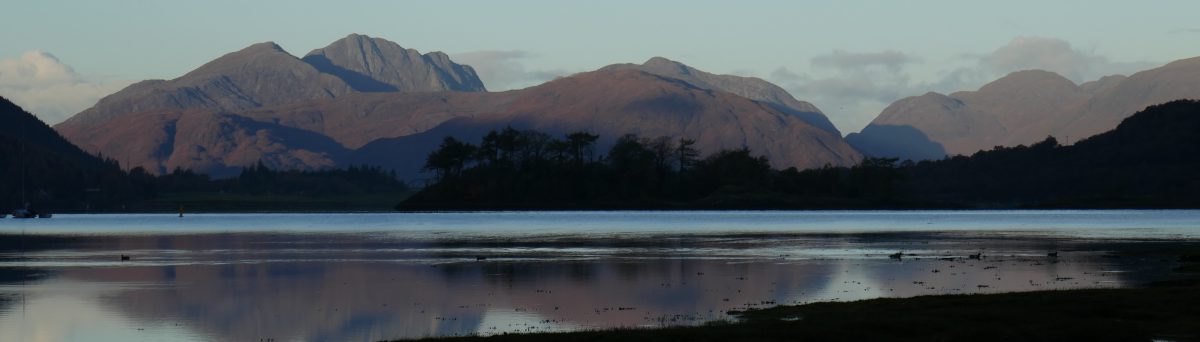
The view from Glencoe Mountain Resort

Our trip to Scotland in March and April this year was as wonderful as ever. In the three weeks we were away we stayed on some good campsites, some average campsites and some rip-off / badly-run campsites that are best never mentioned again! Focussing on the positive, here are three I would recommend.

Ar-Dachaigh Croft Campers, Carrbridge

Millie runs a boutique [small] campsite in Carrbridge for just three campervans / motorhomes up to seven metres in length. Two of the pitches are side by side and we had the one alongside her garage with an open view. We received the friendliest of welcomes and were given some freshly laid eggs from her hens. We used the wi-fi and hooked up the ‘van. There are bins, toilet emptying and water and for this you pay £15/night (less if you don’t need electric). There are no facilities but the house is on a quiet village road and we enjoyed a peaceful night. If you don’t have your own toilet, just a few minutes walk away are the local public toilets which are kept clean and amazingly even heated in winter. We walked by the river and noticed the fish and chip van calls in the village on Friday evenings. There is a village shop and a hotel where you can eat. The site is open all year and we will certainly stay here again.

Pennygown Holiday Park, Salen, Isle of Mull

When we were looking for somewhere to stay on Mull we chose Pennygown mainly for its location. We were hoping to climb Ben More and the site isn’t too far from the path and it is also handy for some coastal walking. It turned out to be an excellent choice and this open and well-run campsite suited us very well while we were on Mull. The modern facilities block is kept spotlessly clean and warm and the showers are good. There is one indoor washing up sink and two others outdoors and there are laundry facilities. The stroll by the old cemetery and around the coast and back by the river is perfect in an evening and you will spot some of Mull’s famous wildlife. Keep your dogs on a lead here so you don’t disturb the ground nesting birds. The owner is attentive, helpful and around for much of the day. This is £31 / night which seemed to be the going rate on Mull. The bus between Craignure and Tobermory passes the campsite a few times a day.

The Blue Bus at Pennygown Holiday Park

Glencoe Mountain Resort, Glencoe

It is hard to beat Glencoe Mountain Resort for views, looking along the glen to the pyamidal shape of Buachaille Etive Mòr that dominates the entrance to Glencoe. We have stayed here before and always enjoy it and this business deserves campervanners support. There are now only a few level campervan pitches with hook up next to the rows of small huts which are popular with those walking The West Highland Way. For £22 a night [£2 less if you use your own shower] you get everything you would find on an expensive campsite and more. The facilities are heated [a luxury that we didn’t always enjoy on sites that charged £35/night!] The showers are good and hot [also not always a given]. There is a drying room [very useful and rarely found] and indoor washing up sinks. Behind the cafe are modern toilets. The light and airy cafe is open during the day and often in the evening too if you want to avoid cooking, otherwise it is a fabulous walk down to The Kingshouse Hotel. You can park overnight for free at the bottom of the car park and just pay to use the showers but if, like me, your equilibrium needs a level pitch then you might struggle to feel stable on the slope.

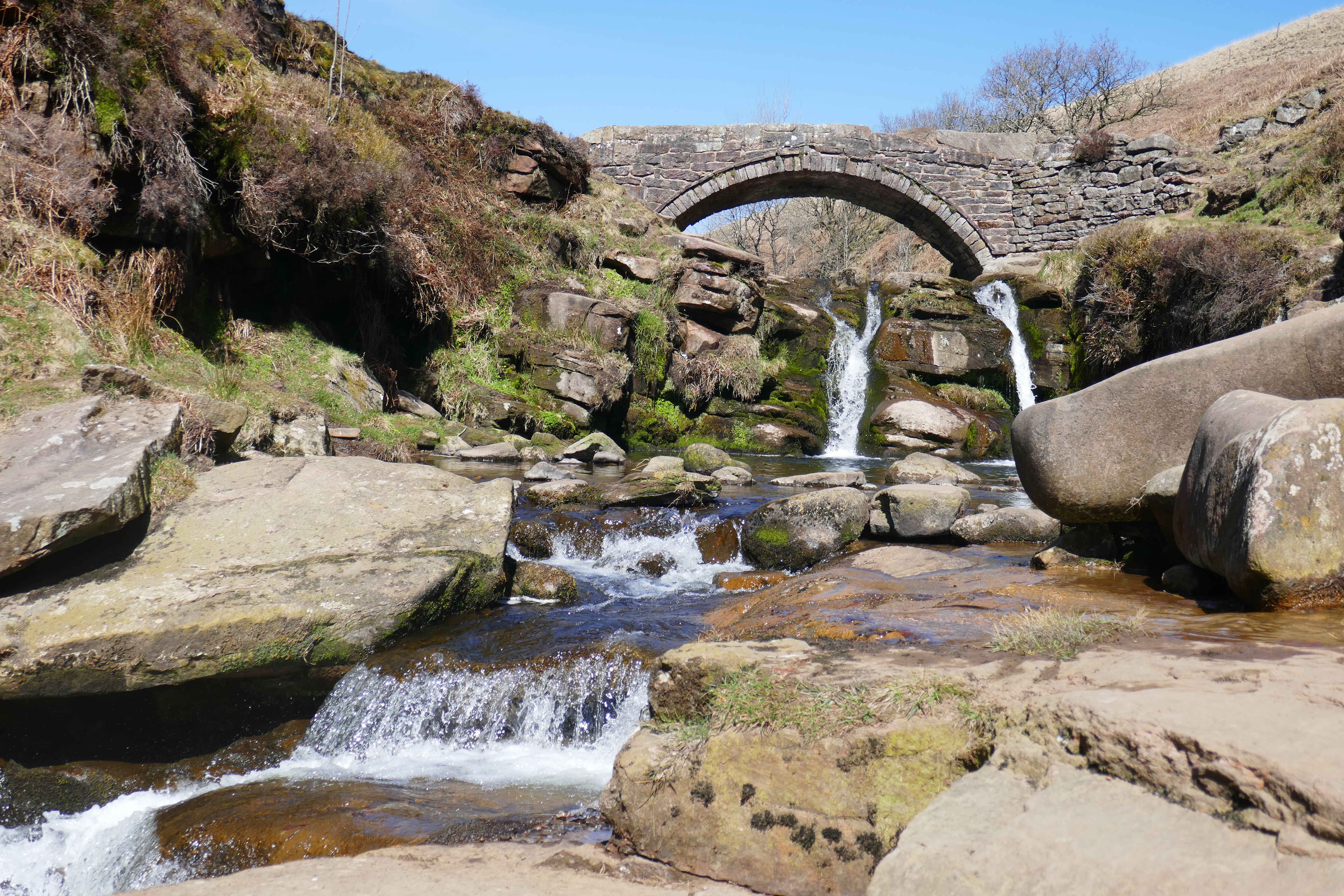
The bridge in Carrbridge